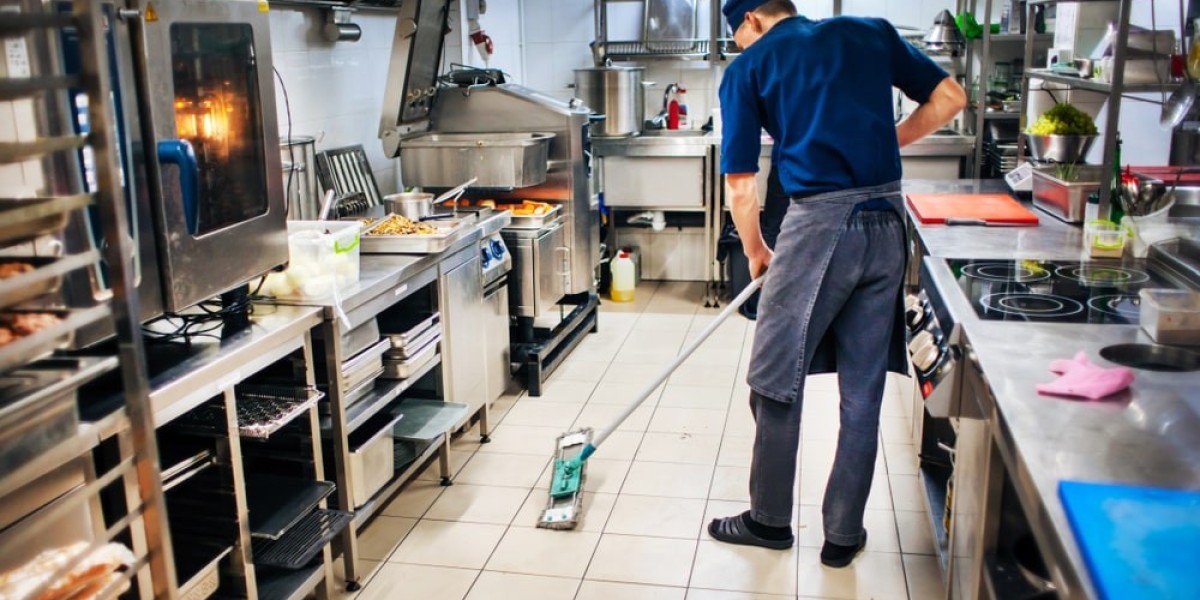
Commercial kitchens are high-activity environments where smoke, grease, heat, and chemical vapors are continuously produced, creating a challenging indoor air quality (IAQ) scenario. While chefs and kitchen staff concentrate on food preparation and service, the critical role of kitchen exhaust hood cleaning service is often overlooked, leading to accumulated grease and airborne contaminants that compromise both health and safety. Poorly maintained hoods allow smoke, particulate matter, and volatile organic compounds (VOCs) to circulate throughout the kitchen, increasing the risk of respiratory irritation, eye discomfort, and long-term health issues for staff. Beyond health concerns, unclean hoods reduce ventilation efficiency, overload HVAC systems, and elevate fire hazards, while also putting kitchens at risk of non-compliance with NFPA standards and local safety regulations. Ensuring regular hood maintenance not only protects staff and customers but also enhances operational efficiency and keeps indoor air free from harmful pollutants, making it a vital component of a safe and productive commercial kitchen.
Why Proper Kitchen Hood Maintenance Is Critical for Indoor Air Quality?
Maintaining clean kitchen hoods is essential for effective ventilation and safe indoor air quality (IAQ). Neglected hoods allow smoke, grease, and chemical vapors to accumulate, directly affecting staff health and operational efficiency. Understanding the key functions of hood systems helps highlight why regular maintenance is crucial in commercial kitchens.
Efficient Smoke and Contaminant Removal: Kitchen hoods are designed to capture smoke, grease particles, and airborne pollutants generated during cooking. Without proper cleaning, these contaminants linger, reducing indoor air quality and exposing staff to respiratory irritants.
Maintaining Optimal Airflow: Clean exhaust hoods ensure proper ventilation, allowing consistent airflow throughout the kitchen. Blocked or greasy filters restrict airflow, leading to stagnant air pockets, higher humidity, and reduced performance of the ventilation system.
Protecting HVAC and Filtration Systems: Regular hood maintenance prevents grease and debris from entering HVAC ducts, which can damage equipment over time. Clean hoods reduce strain on fans and filters, keeping heating and cooling systems operating efficiently while minimizing energy consumption.
Reducing Health and Safety Risks: Accumulated grease and chemical vapors not only degrade IAQ but also increase fire hazards in commercial kitchens. Maintaining hoods helps minimize exposure to harmful VOCs, ultrafine particles, and microbial growth, safeguarding staff and ensuring compliance with NFPA 96 standards.
Grease Buildup Reduces Airflow
Accumulated grease on hood filters and duct surfaces obstructs exhaust airflow, preventing efficient removal of smoke and cooking vapors. Stagnant air develops in high-heat areas, causing particulates to linger and spread throughout the kitchen. Restricted ventilation forces fans and ducts to work harder, reducing overall system performance. As a result, airborne contaminants concentrate, directly diminishing indoor air quality. This creates an environment where smoke, grease, and fumes persist, increasing exposure for staff and operational risk.
Elevated Particulate Matter
Unmaintained hoods allow fine particles, including PM2.5 and PM10, to remain suspended in the kitchen atmosphere. These microscopic particles penetrate deep into the respiratory system, causing irritation and potential long-term health effects. The buildup of particulate matter also reduces visibility and can settle on surfaces, contaminating workspaces. Air circulation becomes uneven, allowing pollutants to accumulate in corners and near cooking stations. Over time, this persistent exposure contributes to poor air quality and respiratory strain for employees.
VOC Accumulation
Cooking processes release volatile organic compounds such as aldehydes and acrolein, which linger when hoods are neglected. Inadequate ventilation fails to expel these chemical vapors, allowing them to permeate the kitchen environment. Prolonged exposure increases irritation of the eyes, nose, and throat, while also contributing to indoor chemical contamination. The concentration of VOCs interacts with grease particles, intensifying airborne pollution. Ultimately, this combination degrades indoor air quality and creates a hazardous environment for kitchen staff.
Persistent Smoke and Fumes
When hoods are poorly maintained, smoke and cooking fumes are not properly exhausted, creating a hazy atmosphere that lingers above workstations. This airborne haze reduces visibility and increases the inhalation of harmful gases. Accumulated fumes mix with grease particles, forming suspended contaminants that circulate continuously. Staff experience irritation and fatigue from constant exposure to these airborne irritants. The persistent presence of smoke and odors contributes directly to declining air quality and a less safe working environment.
Microbial Growth
Trapped grease combined with moisture in ducts and filters creates ideal conditions for mold and bacterial colonies. These microorganisms release bioaerosols, which become airborne and exacerbate indoor air pollution. Contaminated surfaces further contribute to circulating microbial particles in the kitchen environment. Persistent microbial activity generates odors and can trigger allergic reactions or respiratory symptoms. As a result, neglected hoods become not only a fire risk but also a vector for biological pollutants that compromise air quality.
Odor Problems
Persistent odors in commercial kitchens often stem from grease and microbial accumulation in hood systems. These airborne smells indicate that chemical residues and fine particulates are circulating through the air. Lingering odors reduce perceived air quality and can affect both staff comfort and food safety standards. Odor particles attach to surfaces and equipment, amplifying contamination risks over time. The constant presence of these odors signals compromised indoor air quality and a higher concentration of harmful contaminants.
HVAC Contamination
When hoods fail to remove smoke, grease, and VOCs effectively, HVAC systems can draw contaminated air into ductwork and other building areas. This spreads airborne pollutants beyond the kitchen, impacting staff and potentially customer spaces. Contaminants circulating through ventilation reduce overall air quality and can trigger mechanical strain on HVAC equipment. Particulates and chemical residues settle in ducts, exacerbating odor and particulate accumulation. The result is a systemic degradation of indoor air quality throughout the facility.
Heat and Humidity Retention
Restricted airflow caused by blocked or greasy hoods traps heat and moisture within the kitchen environment. Elevated temperatures combined with high humidity encourage bacterial and mold growth on surfaces and in ductwork. This microbial activity contributes to airborne bioaerosols, further lowering air quality. Excess heat also increases staff discomfort and reduces the efficiency of ventilation systems. Persistent thermal and moisture buildup directly correlates with declining indoor air quality and elevated health risks.
Fire Risk Emissions
Grease accumulation in hoods and ducts creates a significant fire hazard, which directly impacts indoor air quality even before ignition occurs. Smoldering grease releases smoke, toxic gases, and particulate matter into the kitchen environment. These emissions degrade breathable air and increase exposure to respiratory irritants and chemical pollutants. Elevated particulate and VOC concentrations can spread through ventilation, affecting larger areas of the building. Therefore, the potential for fire significantly compounds the negative impact on air quality in commercial kitchens.
Staff Health Impact
Airborne smoke, grease particles, and chemical vapors from neglected hoods directly affect staff well-being. Continuous exposure causes eye irritation, respiratory discomfort, headaches, and fatigue during shifts. Long-term inhalation of ultrafine particles and VOCs increases the risk of chronic respiratory or cardiovascular conditions. Contaminated air also reduces productivity and overall staff performance. Ensuring that these pollutants are minimized is crucial, as poor indoor air quality directly threatens health in high-activity kitchen environments.
Safety and Compliance Considerations for Commercial Kitchen Hoods
Ensuring proper maintenance of kitchen hoods is critical for protecting staff, reducing fire risks, and maintaining safe indoor air quality (IAQ). Neglected systems can lead to regulatory violations, hazardous air, and compromised operational efficiency. Understanding the safety and compliance implications highlights why professional oversight is essential in commercial kitchens.
Fire Hazard Prevention: Adhering to NFPA 96 standards ensures grease and flammable residues do not accumulate in ducts and exhaust systems. Proper compliance reduces the likelihood of ignition and limits smoke and toxic gas release, which can severely degrade indoor air quality.
Regulatory Compliance with Local Codes: Fire inspections often require documented evidence of hood maintenance and ventilation checks. Following local fire codes protects against fines or shutdowns while keeping airborne particulates and VOCs under control for staff safety.
Staff Health and Exposure Reduction: Well-maintained hoods minimize the circulation of smoke, grease particles, and chemical vapors, reducing irritation and potential long-term respiratory risks. Protecting staff from bioaerosols and airborne contaminants ensures a safer working environment and sustained productivity.
Operational Efficiency and Air Quality Management: Clean hoods support proper airflow, preventing HVAC contamination and maintaining balanced ventilation throughout the kitchen. Effective systems remove smoke and chemical pollutants efficiently, preserving breathable air and reducing mechanical strain on ventilation equipment.
Conclusion
Neglected hood systems in commercial kitchens significantly compromise indoor air quality, allowing smoke, grease, and chemical fumes to circulate and increase health risks for staff. Reduced ventilation efficiency not only amplifies airborne contaminants but also heightens the potential for fire hazards, creating a hazardous environment. Prioritizing professional restaurant kitchen cleaning services and implementing IAQ monitoring ensures pollutants are removed, airflow is optimized, and staff can work safely in a cleaner, healthier atmosphere. Maintaining hoods is essential not only for compliance with NFPA standards but also for sustaining operational efficiency, reducing microbial growth, and protecting both employees and customers. Investing in regular hood upkeep enhances air circulation, minimizes VOC exposure, and safeguards long-term health, making it a crucial component of every commercial kitchen’s safety and air quality management plan.
Frequently Asked Questions
What are the main indoor air pollutants in kitchens with unclean hoods?
Unclean hoods allow smoke, grease particles, volatile organic compounds (VOCs), and microbial aerosols to circulate in the kitchen. These pollutants reduce air quality, irritate the respiratory system, and can contribute to long-term health issues for staff.
How does poor hood maintenance affect staff performance?
Excessive smoke, heat, and airborne contaminants create an uncomfortable and unsafe working environment. This can lead to fatigue, eye irritation, headaches, and reduced productivity during shifts, directly impacting operational efficiency.
Can unclean kitchen hoods increase the risk of food contamination?
Yes. Airborne grease and particulate matter can settle on surfaces, utensils, and prepared foods, increasing the likelihood of contamination. This can compromise hygiene standards and pose health risks to customers.
What role does ventilation efficiency play in indoor air quality?
Proper airflow ensures that smoke, fumes, and chemical vapors are removed before they accumulate. Inefficient ventilation caused by clogged hoods allows pollutants to stagnate, which lowers indoor air quality and can spread contaminants beyond the kitchen.
Are microbial hazards a concern in neglected hood systems?
Absolutely. Moisture and grease accumulation in ducts and filters create conditions for mold and bacterial growth. These microorganisms release bioaerosols that circulate through the air, further degrading air quality and posing health risks.
How does poor hood cleaning influence HVAC performance?
Grease and debris buildup can infiltrate HVAC systems, reducing their efficiency and increasing energy consumption. Contaminated HVAC ducts may also circulate pollutants into other areas of the facility, spreading poor air quality beyond the kitchen.
What are the long-term health risks associated with exposure to contaminated kitchen air?
Chronic exposure to smoke, particulate matter, and VOCs can lead to respiratory irritation, asthma exacerbation, cardiovascular stress, and other long-term health issues. Staff working in poorly ventilated kitchens are especially vulnerable.
Can odors indicate poor indoor air quality in commercial kitchens?
Yes. Persistent grease and microbial odors are often signs of trapped contaminants and chemical residues. Lingering smells suggest that airborne pollutants are present and that ventilation is insufficient.
How does unclean hood grease contribute to fire hazards and air contamination?
Grease accumulation increases the risk of ignition, producing smoke and toxic fumes even before a fire occurs. These emissions circulate in the kitchen, worsening indoor air quality and posing safety risks to staff.
Why is professional hood cleaning important for maintaining air quality?
Professional services ensure that ducts, fans, and filters are thoroughly cleaned, removing grease, particulates, and chemical residues that compromise air quality. This helps sustain optimal airflow, reduces VOC exposure, and protects both staff health and kitchen efficiency.