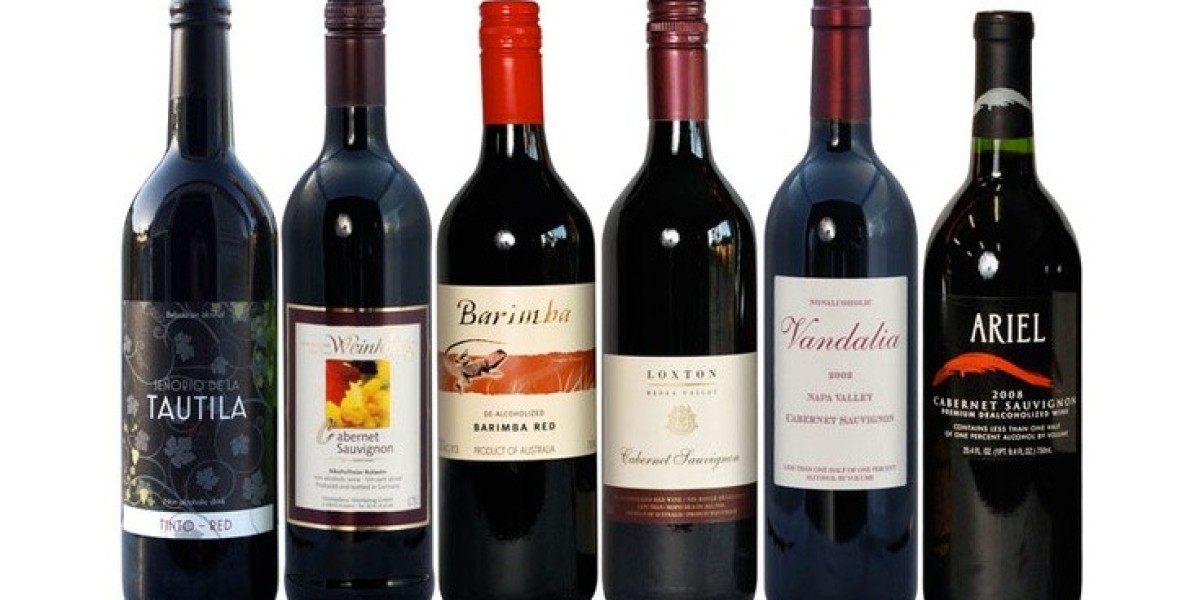
The global beverage landscape is changing faster than ever before. Consumers are becoming more conscious of what they drink, how it affects their bodies, and how it fits into their lifestyles. Traditional alcohol consumption is no longer the default choice in social, professional, or personal settings. As a result, Non-Alcoholic Wine has emerged as a refined alternative that preserves the elegance of wine while aligning with modern wellness values.
This shift is not about restriction or compromise. It is about choice, balance, and enjoying life’s moments with clarity and intention. Alcohol-free wine has become a symbol of mindful living and inclusive social experiences.
The Shift Toward Mindful Drinking
Non-Alcoholic Wine is a growing movement that encourages people to make intentional choices about alcohol consumption. Rather than drinking out of habit or social pressure, individuals are now prioritizing health, mental clarity, and emotional well-being.
This cultural transformation has been influenced by wellness trends, fitness lifestyles, mental health awareness, and changing work-life dynamics. Many people want to enjoy the taste and ritual of wine without the side effects of alcohol. Alcohol-free alternatives make this possible while still honoring tradition and sophistication.
What Makes Alcohol-Free Wine Unique
Alcohol-free wine is not simply grape juice. It is created using traditional winemaking methods that allow complex flavors, aromas, and textures to develop before alcohol is gently removed. This careful process distinguishes it from ordinary juice and ensures a mature, wine-like experience.
Winemakers focus on preserving acidity, tannins, and aromatic depth. The goal is to deliver a beverage that feels familiar to wine lovers while offering a lighter, more balanced experience suitable for everyday enjoyment.
How Alcohol Is Removed Without Losing Flavor
The production process plays a critical role in maintaining quality. Alcohol removal typically takes place after fermentation, ensuring that the wine has already developed its character.
Common methods include:
Vacuum distillation, which removes alcohol at lower temperatures to protect aroma
Reverse osmosis, which separates alcohol while retaining flavor compounds
These techniques allow producers to create a product that respects the original wine profile while supporting a healthier lifestyle.
Health and Lifestyle Benefits
One of the strongest appeals of alcohol-free wine is its positive impact on well-being. Without alcohol, individuals can enjoy wine-like beverages without worrying about next-day fatigue, dehydration, or impaired focus.
Key benefits include:
Fewer calories compared to traditional wine
No intoxication or hangover effects
Better sleep quality
Greater suitability for fitness-focused lifestyles
Compatibility with religious or medical restrictions
For many people, these benefits make alcohol-free wine a practical and enjoyable choice rather than an occasional substitute.
Social Inclusion Without Compromise
Social gatherings often revolve around drinking, which can unintentionally exclude people who choose not to consume alcohol. Alcohol-free wine helps remove this barrier by offering an elegant alternative that feels appropriate for celebrations, dinners, and formal events.
By choosing alcohol-free options, hosts and venues can create inclusive environments where everyone feels comfortable participating. This shift supports more meaningful social connections and encourages presence over intoxication.
Styles and Flavor Profiles
Just like traditional wine, alcohol-free wine comes in a wide variety of styles designed to suit different tastes and occasions.
Red Styles
These often feature notes of dark berries, spice, and gentle tannins, making them ideal for pairing with rich meals or evening dining.
White Styles
Crisp and refreshing, white varieties highlight citrus, apple, and floral notes, perfect for warm weather or lighter dishes.
Rosé Selections
Balanced and versatile, rosé options offer subtle fruit flavors with refreshing acidity.
Sparkling Options
Bubbly and celebratory, sparkling alcohol-free wines are popular for special occasions, weddings, and festive gatherings.
This diversity ensures that consumers can find a suitable option for every moment.
Who Is Choosing Alcohol-Free Wine Today?
The audience for alcohol-free wine continues to expand across demographics. It includes:
Health-conscious individuals
Professionals seeking mental clarity
Pregnant or breastfeeding women
Athletes and active individuals
People in recovery
Religious and cultural communities
Social drinkers exploring moderation
This broad appeal reflects a shift in values rather than a passing trend.
Pairing Alcohol-Free Wine With Food
Food pairing remains an essential part of the wine experience. Alcohol-free wine can be paired thoughtfully to enhance flavors and elevate meals.
White varieties complement seafood, salads, and vegetarian dishes
Red styles pair well with roasted vegetables, mushrooms, and hearty sauces
Sparkling options work beautifully with appetizers and desserts
Proper pairing enhances enjoyment and reinforces the sophistication of alcohol-free choices.
The Rise of Premium Alcohol-Free Wine Brands
One of the most significant changes in this category is the focus on premium quality. Producers are investing in better grapes, sustainable practices, and elegant packaging to appeal to discerning consumers.
This commitment to craftsmanship has changed perceptions, positioning alcohol-free wine as a premium lifestyle product rather than a secondary option. Many brands now emphasize terroir, flavor complexity, and authenticity.
Market Growth and Future Outlook
The alcohol-free beverage market is experiencing steady growth worldwide. Younger generations are driving this expansion by prioritizing transparency, wellness, and intentional living.
As technology and winemaking techniques continue to evolve, quality and variety will only improve. Alcohol-free wine is becoming a permanent feature in restaurants, retail spaces, and home dining routines.
How to Choose a High-Quality Bottle
When selecting alcohol-free wine, consider:
Production method
Ingredient transparency
Sugar content
Brand reputation
Reviews and tasting notes
Making informed choices ensures a satisfying experience that aligns with personal preferences and health goals.
Conclusion
Non-Alcoholic Wine represents a meaningful shift in how people approach drinking, celebration, and well-being. It preserves the elegance, flavor, and ritual of wine while offering clarity, balance, and inclusivity.
As awareness grows and quality continues to rise, alcohol-free wine is no longer an alternative—it is a conscious lifestyle choice that reflects modern values and mindful living.