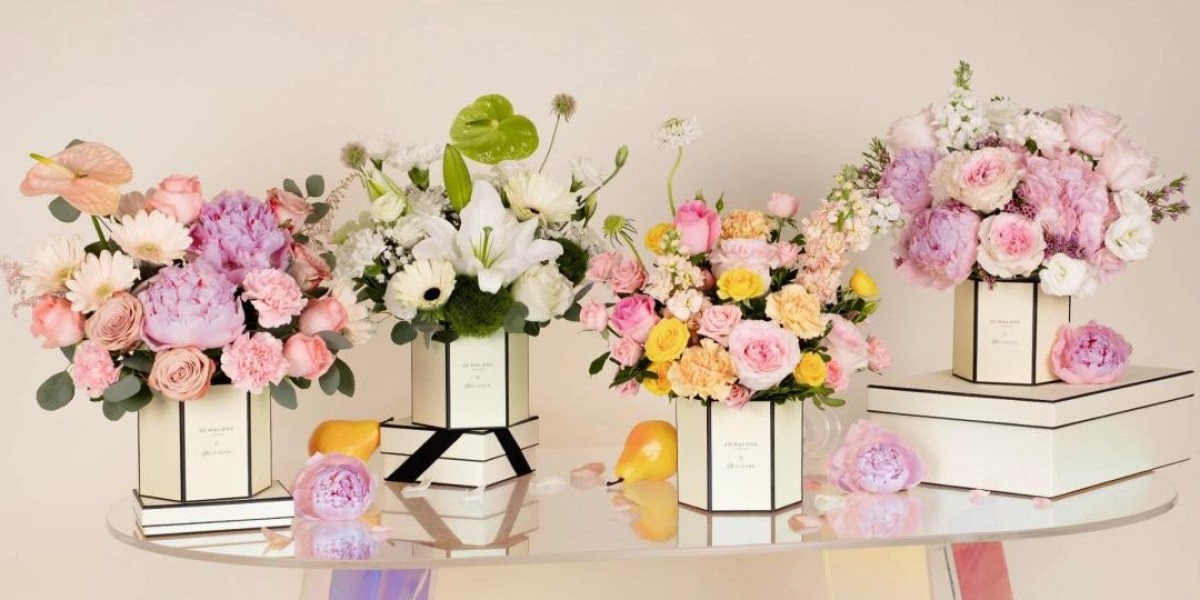
The presence of nature within our living spaces has a profound ability to shift the energy of a home from mundane to magnificent. Incorporating a curated Flower Collection into your interior design strategy is an effortless way to introduce organic rhythm and vibrant life to your walls. These artworks, deeply inspired by floral forms and botanical themes, act as windows into a garden that never wilts. This collection includes paintings that interpret flowers through texture, color, and composition, marrying natural beauty with artistic expression perfect for brightening interiors and creating a sophisticated, welcoming atmosphere. By focusing on the delicate balance between the wildness of a bloom and the structure of a canvas, these pieces offer a timeless appeal that transcends passing decor trends.
The Evolution of Floral Art in Contemporary Decor
Historically, floral paintings were often relegated to traditional settings, but the modern era has completely reimagined the genre. Today’s artists use the petal and the stem as a springboard for exploration, moving far beyond mere imitation. Contemporary floral art is about the feeling of a flower—the burst of color as a bud opens or the graceful arc of a stem in the wind.
In modern homes, these pieces serve as essential "softeners." In a world of hard angles, glass surfaces, and metal fixtures, the fluid lines of botanical art provide a necessary visual contrast. They remind us of the softness and resilience of the natural world, making even the most minimalist loft feel like a home.
The Power of Botanical Textures
One of the most captivating trends in current floral art is the emphasis on physical texture. Artists are increasingly using mixed media to create surfaces that beg to be touched.
Layered Petals: Using thick acrylics to build up the physical profile of a flower.
Mixed Media: Incorporating elements like gold leaf or sand to mimic the shimmering quality of pollen or the grit of the earth.
Visible Brushwork: Allowing the movement of the hand to stay visible, which adds a human element to the natural subject.
Why Flowers Belong in Every Room
The versatility of botanical themes means there isn't a single room in a house that wouldn't benefit from their presence. Because flowers come in every imaginable color and shape, they can be tailored to fit the specific psychological "job" of a room.
The Calm of the Bedroom
In the bedroom, botanical art should lean toward the ethereal. Soft lavenders, muted sages, and pale blues help lower the heart rate and prepare the mind for rest. A large-scale, soft-focus painting of a peony or a cherry blossom can turn a sleeping area into a high-end spa retreat.
The Energy of the Kitchen and Dining Area
Conversely, the areas where we eat and socialize benefit from high-energy florals. Sunflowers, poppies, and vibrant tulips in shades of yellow, orange, and red can stimulate appetite and conversation. These colors reflect the sun and the harvest, making the dining experience feel more grounded and celebratory.
Visit more: https://medium.com/@wdl666/modern-abstract-pop-art-for-home-and-office-review-13351932944b
Biophilic Design: The Health Benefits of Floral Imagery
The concept of biophilia suggests that humans have an innate tendency to seek connections with nature. When we can’t spend our entire day outdoors, bringing nature to us through art is the next best thing.
Reducing Environmental Stress
Studies have shown that looking at images of nature can lower cortisol levels and improve cognitive function. In a home office, a botanical painting provides a "restorative" view. When your eyes take a break from the blue light of a computer screen, landing on the organic greens and vibrant petals of a floral painting allows the brain to recharge more effectively than looking at a blank wall.
Improving Indoor "Vibe"
Floral art also has a unique way of making a room feel "finished." It fills the visual void with something that feels alive. Even if you don't have a green thumb for real houseplants, high-quality botanical art provides the same visual benefits without the maintenance.
Selecting the Right Size and Frame
The impact of your floral art is heavily influenced by how you present it. The framing and scale are just as important as the subject matter itself.
Oversized Statement Pieces
If you have a large, empty wall, don't be afraid to go big. An oversized floral painting can act as the "main character" of your room. It commands attention and sets the color palette for all your other accessories, such as rugs, pillows, and curtains.
Small Accents and Triptychs
For narrower walls or hallways, a series of three related botanical prints (a triptych) can create a sense of movement and progression. This guides the eye through the space and makes a transition area feel intentional rather than forgotten.
Creating Harmony with Color Theory
Using a botanical piece as the anchor for your room’s color theory is a pro-level design move.
Analogous Colors: Choose art that features colors next to each other on the color wheel (like blues and greens) for a serene, harmonious look.
Complementary Colors: Choose a piece with high contrast (like purple flowers with yellow centers) to make a bold statement that pops against a neutral wall.
Monochromatic Elegance: A painting that explores different shades of a single color, such as various tones of white and cream in a lily, offers a sophisticated and clean aesthetic.
The Lasting Value of a Floral Theme
While other art movements come and go, the beauty of the earth is a constant. Botanical art is one of the few styles that truly "ages" with a home. It is as appropriate for a young couple's first apartment as it is for a sprawling family estate. It represents growth, beauty, and the quiet strength of the natural world.
Choosing to invest in a Flower Collection means choosing a decor style that celebrates life in all its stages. Whether you are drawn to the fiery passion of a red rose or the quiet dignity of a forest fern, these artworks provide a daily reminder of the elegance surrounding us. They transform static walls into dynamic displays of color and emotion, ensuring that your home remains a source of joy and inspiration for years to come.
By carefully selecting pieces that resonate with your personal style—be it abstract, impressionistic, or minimalist—you create a space that is uniquely yours yet universally beautiful. The floral form is nature’s greatest masterpiece, and bringing it into your home is the ultimate tribute to that beauty.