The art of body decoration has always been a bridge between cultures, reflecting the deep-seated traditions and aesthetic values of different regions. Henna, known as Mehndi in South Asia and Inai in Southeast Asia, provides a versatile canvas for artistic expression. One of the most captivating ways to evolve your henna skills is by integrating the intricate patterns of Indonesian Batik into your repertoire. Batik is more than just a fabric-dyeing technique; it is a visual language composed of dots, lines, and symbolic motifs that have been passed down through generations. By blending these textile patterns with traditional henna application, artists can create a unique fusion that honors both the fluid grace of skin art and the structured elegance of Southeast Asian heritage.
Understanding the Essence of Indonesian Batik Motifs
Indonesian Batik is renowned worldwide for its complexity and its deep connection to the natural and spiritual worlds. When translating Batik to henna, the first step is recognizing the primary motifs used in regions like Java and Bali. For instance, the "Kawung" motif, consisting of intersecting circles, represents the cross-section of a palm fruit and symbolizes purity and power. Another popular choice is the "Parang" or "machete" pattern, which features diagonal S-shaped lines that evoke the movement of ocean waves. These geometric foundations differ significantly from the floral paisleys typical of Indian Mehndi, offering a fresh, modern aesthetic for contemporary clients.
Incorporating these motifs requires a steady hand and a keen eye for symmetry. Unlike free-flowing floral designs, Batik-inspired henna often relies on a grid-like structure or repetitive mathematical patterns. This transition from organic to geometric can be challenging for beginners. However, taking a professional henna course can provide the foundational drills necessary to achieve the precision needed for these "tulis" (written) style patterns. By focusing on the "cecek" (dots) and "ishen" (filling) techniques found in Batik, you can create a texture on the skin that mimics the richness of hand-drawn fabric.
The Traditions of Malaysian Inai and Wedding Artistry
In Malaysia, the application of henna, or Inai, is a cornerstone of the "Majlis Berinai" ceremony during weddings. Historically, Malaysian Inai was characterized by solid-stained fingertips and simple circular motifs on the palms, believed to ward off evil and bring good luck to the couple. However, modern Malaysian artists have begun blending these traditional solid stains with intricate "ukiran" (carvings) that draw inspiration from woodcarving and local flora, such as the hibiscus or the "pucuk rebung" (bamboo shoot). This evolution creates a beautiful contrast between the bold, saturated areas of dye and the delicate linework surrounding them.
When creating a design inspired by Malaysian traditions, the focus is often on the balance between "empty space" and "density." The use of bold outlines filled with intricate internal patterns is a hallmark of this style. To truly capture the spirit of Malaysian artistry, one must understand how the dye interacts with the skin over time. Students in a henna course online learn specifically about paste consistency and stain duration, which is vital when attempting the "Inai Lukis" style that is currently trending in Kuala Lumpur and beyond. These courses teach you how to achieve that deep, reddish-brown hue that is essential for the authentic Malaysian look.
Bridging the Gap: Combining Textile Patterns with Skin Art
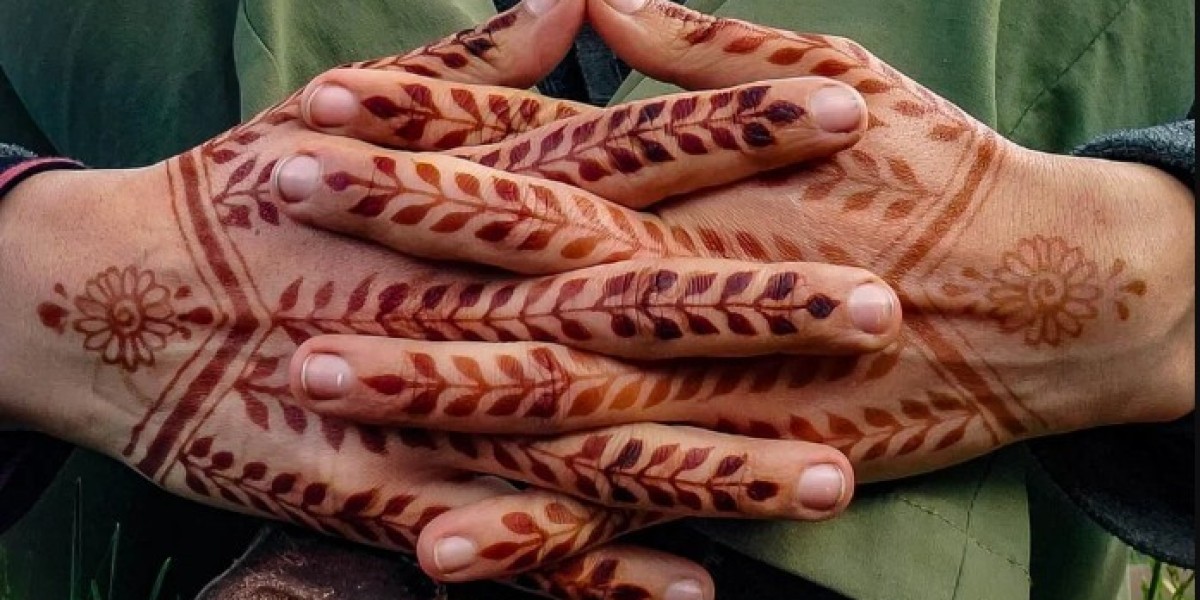
Fusing Batik and Inai requires a thoughtful approach to composition. Start by selecting a "hero" motif from a Batik pattern—perhaps the "Garuda" wing or a stylized lotus—and place it on a focal point of the body, such as the back of the hand or the center of the forearm. Surrounding this central piece, you can use the repetitive "nitik" (dotting) style to create a background that resembles the texture of woven cloth. This layering technique adds a three-dimensional quality to the henna design, making it stand out from more traditional, flat patterns. The key is to maintain the "flow" of the body while respecting the "structure" of the textile pattern.
The technical difficulty of this fusion cannot be overstated. Unlike fabric, the skin is curved and elastic, which can distort geometric patterns if not applied correctly. This is where professional training becomes indispensable.
Technical Application: Lines, Dots, and Negative Space
The "Batik look" in henna is achieved through the masterful use of negative space and varied line weights. In traditional Batik, wax is used to resist dye; in henna, we achieve a similar effect by leaving certain areas of the skin blank while surrounding them with heavy "blocking." This creates a "cut-out" effect that is striking and modern. For example, you can draw a thick border around a delicate leaf pattern, filling the outside with solid henna while leaving the leaf itself as the natural skin tone. This technique mirrors the "Batik Cap" (stamped) look and is highly effective for bold, photographic results.
Mastering line weight is perhaps the most critical skill for this style. You need to be able to transition from "bold" lines that define the structure of the pattern to "hairline" thinness for the internal "ishen" details. Achieving this level of control requires practice and the right tools. Enrolling in a henna course online allows you to watch high-definition demonstrations of cone control and pressure application. Understanding how to "drape" the henna line over the skin rather than "drawing" it directly on the surface is a professional secret that makes Batik-style geometric patterns look crisp and professional rather than shaky or uneven.
Cultural Sensitivity and the Future of Henna Fusion
As we borrow motifs from Indonesian Batik and Malaysian Inai, it is vital to do so with respect and understanding. Many Batik patterns carry specific meanings; some were historically reserved for royalty, while others are intended for funerals or celebrations. As a henna artist, taking the time to research the history of the "Sogan" or "Mega Mendung" patterns adds a layer of storytelling to your work that clients will appreciate. It transforms a simple beauty treatment into a cultural experience.