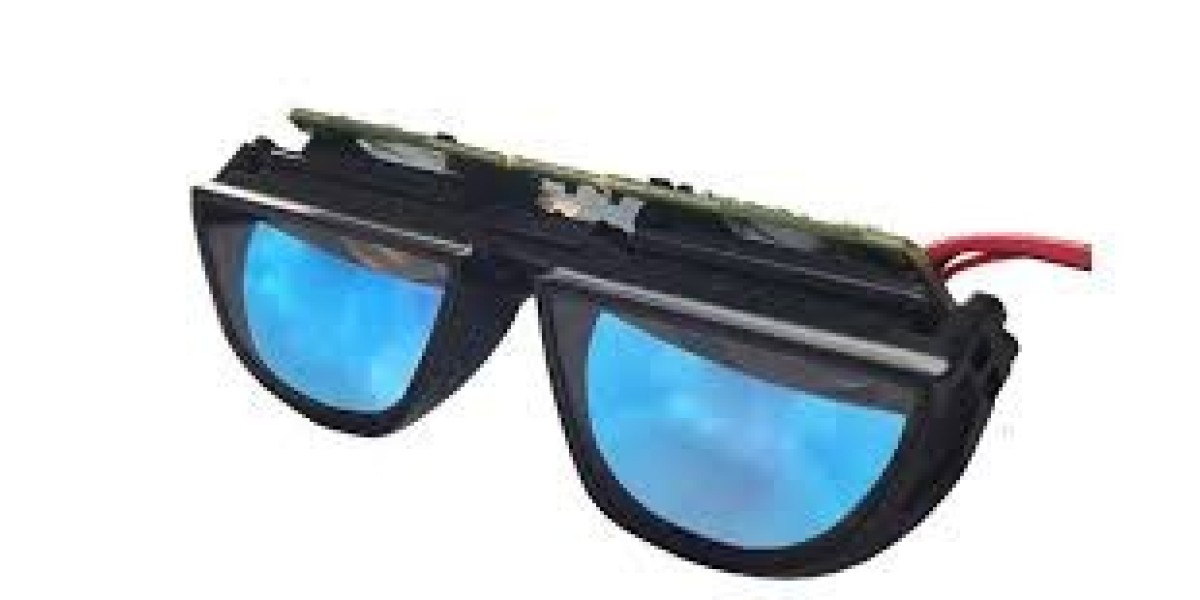
Many AR device manufacturers struggle with the same problem: bulky optics, limited field of view, and poor user comfort. Even when the display panel is advanced, the final visual experience often feels heavy, narrow, or tiring for users. This usually happens because the optical module is not optimized for near-eye viewing.
A Bird bath optical module solves these issues by offering a compact optical path that delivers clear virtual images while keeping the headset lightweight and wearable. It has become a popular solution for AR smart glasses and head-mounted displays where comfort and clarity matter most.
What Is a Bird Bath Optical Module?
A Bird bath optical module is an optical system used in augmented reality devices to project digital images into the user’s eyes. It typically uses a beam splitter or semi-reflective mirror combined with relay optics to overlay virtual content onto the real world.
This optical structure allows AR devices to remain slim while maintaining good image brightness and viewing clarity. Unlike complex waveguide systems, bird bath optics are easier to design and more cost-effective for many applications.
Common Problems Solved by Bird Bath Optical Modules
Bulky AR Headsets
Traditional optical systems require long optical paths, increasing device size. Bird bath modules fold the optical path, reducing overall thickness.
Narrow Field of View
Poor optics limit immersion. Bird bath optical modules support a wider field of view compared to basic reflective systems.
Eye Fatigue and Distortion
Low-quality optics cause image distortion and eye strain. A properly designed bird bath module improves optical alignment and visual comfort.
How a Bird Bath Optical Module Works
The bird bath optical module reflects light from a micro display through a beam splitter toward the user’s eyes. At the same time, it allows real-world light to pass through, creating a natural augmented reality effect.
Because the optical path is folded, the system achieves:
Compact form factor
Balanced brightness
Stable image projection
Reduced optical distortion
This makes the Bird bath optical module ideal for wearable AR systems where space and comfort are critical.
Key Applications of Bird Bath Optical Modules
AR Smart Glasses
Used in enterprise, medical, and industrial AR glasses for hands-free information display.
Head-Mounted Displays (HMDs)
Provides reliable image clarity for training, navigation, and simulation systems.
Industrial and Field Use
Ideal for environments where durability, visibility, and comfort are required over long usage periods.
Prototype and R&D Systems
Frequently used in early-stage AR product development due to flexible optical design.
Advantages of Using a Bird Bath Optical Module
Compact and lightweight optical design
Good brightness and contrast performance
Cost-effective compared to waveguide optics
Easier optical alignment and assembly
Suitable for mass production
These benefits make bird bath optics a practical choice for many AR manufacturers.
How to Choose the Right Bird Bath Optical Module
When selecting a bird bath optical module, consider:
Display compatibility (Micro-OLED, LCD)
Field of view requirements
Optical efficiency and brightness
Mechanical size constraints
End-use environment
Choosing the right module ensures better user experience and long-term product reliability.
Conclusion
If your AR device feels bulky, uncomfortable, or visually limited, the issue may lie in the optical system. A bird bath optical module offers a balanced solution by combining compact design, visual clarity, and cost efficiency. For AR products focused on usability and performance, selecting the right optical module is a critical step toward success.