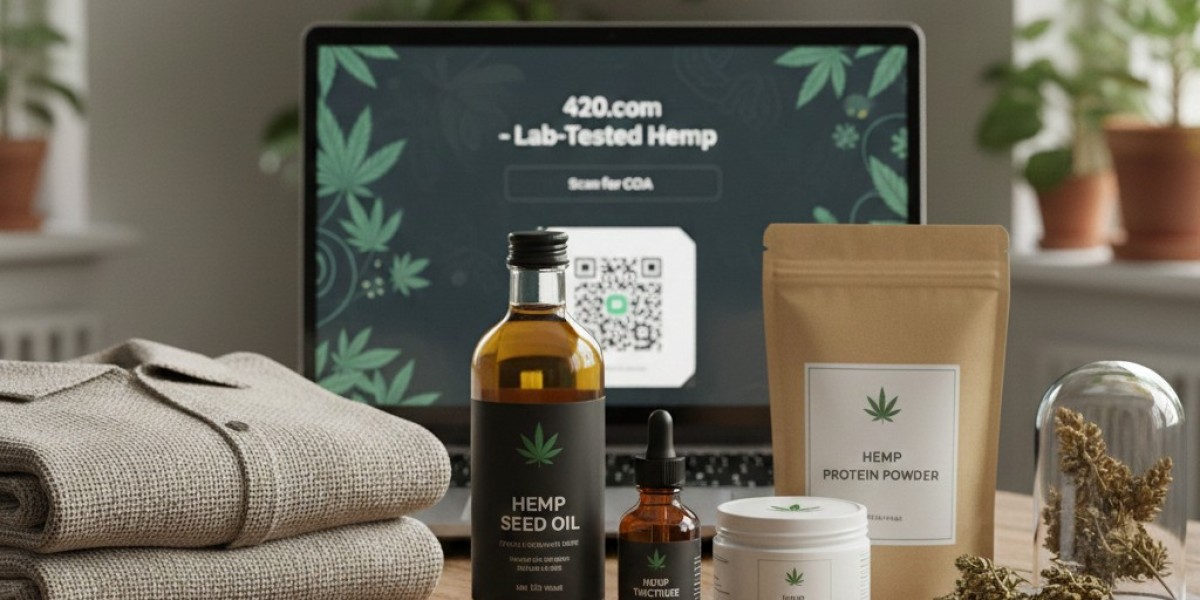
Hemp items people use every day range from cooking oils and skincare to CBD tinctures and textile goods.
In simple words: these are non-intoxicating plant-based goods (most are made from industrial hemp) that can replace or supplement everyday items like oils, lotions, and protein powders.
What everyday hemp items should I try right now?
Start with hemp seed oil, a CBD tincture, hemp-based skincare, hemp protein, and, if legal where you live, smokable hemp flower.
Why these? They are easy to use and fit into daily life.
Top picks (what each is, how it works, who it’s for, who should avoid it):
Hemp seed oil (food / cooking)
- What it is: cold-pressed oil from hemp seeds.
- How it works: used like other culinary oils for dressings and finishing. High in omega fats.
- Who it’s for: cooks, people wanting plant-based nutrition.
- Avoid if: you have a seed allergy.
CBD tincture (daily supplement)
- What it is: concentrated extract of cannabinoids in carrier oil.
- How it works: placed under the tongue or mixed in food for gradual effect.
- Who it’s for: people seeking mild relaxation or sleep support.
- Avoid if: you’re pregnant, nursing, or on medications without a doctor’s OK.
Topical hemp skincare (creams, balms)
- What it is: lotions or balms that include hemp-derived extracts and emollients.
- How it works: applied to skin for moisturizing and targeted relief.
- Who it’s for: dry skin, localized soreness, or people who want plant-based cosmetics.
- Avoid if: you have sensitive-skin reactions to any ingredient, patch-test first.
Hemp protein powder
- What it is: ground hemp seeds concentrated into powder.
- How it works: protein supplement in shakes and recipes.
- Who it’s for: active people and vegans seeking a complete plant protein.
- Avoid if: you need very low-fiber protein sources.
Hemp fiber goods (clothing, rope, home goods)
- What it is: textiles made from hemp stalk fibers.
- How it works: durable, breathable fabric used like cotton or linen.
- Who it’s for: eco-minded shoppers and people wanting robust textiles.
- Avoid if: you need super-soft, low-cost fast-fashion fabrics (hemp can be firmer).
Smokable options: “hemp flower” and “cbd hemp flower”
- What they are: dried flowers from hemp plants sold for aroma or mild cannabinoid content.
- How they work: smoked, vaporized, or used in herbal blends.
- Who it’s for: adults who want the ritual of smoking without high THC.
- Avoid if: you’re under the legal age, pregnant, have lung conditions, or live where these are restricted.
- Note: lab testing matters a lot here, see the lab testing section below. (I use the exact terms hemp flower and cbd hemp flower intentionally as product types.)
Is it legal to buy and use hemp items?
Often yes, but it depends on where you live and product details.
In the U.S., the 2018 Farm Bill removed hemp (cannabis with no more than 0.3% delta-9 THC by dry weight) from federal control, which opened the way for many legal hemp-derived goods. However, federal and state rules keep changing, and some states restrict intoxicating hemp-derived products.
Practical steps:
- Check local laws before buying.
- Look for lab test results that show THC levels and contaminants (see next section).
- If a product could be intoxicating, states may ban or limit it, assume rules change and verify locally.
What about age limits and safe sale practices?
Many sellers require customers to be 21+. Some places use 18+, but 21 is common. Verify with the seller.
Example: Texas requires sellers of consumable hemp products to verify purchasers are 21+ by checking government ID. Online sellers often require age verification during checkout.
How do I know a hemp product is safe? What to check on labels
Always look for a Certificate of Analysis (COA) from a third-party lab. COAs show:
- Exact cannabinoid levels (THC, CBD, others).
- Tests for pesticides, heavy metals, solvents, and microbes.
- Batch-specific results and date of testing.
Lab testing for hemp is now an accepted standard. U.S. guidance requires labs to report results into federal systems; state rules also apply. If a seller can’t show a COA, don’t buy.
How to use hemp items safely
- Start low and go slow with doses.
- Read the COA and ingredient list.
- Avoid mixing with alcohol or sedatives unless a doctor approves.
- Keep out of reach of children.
- Don’t drive or operate heavy machinery until you know how a product affects you.
- If pregnant or nursing, do not use cannabinoid products.
FAQs
Q: Are hemp seed oil and CBD oil the same?
A: No. Hemp seed oil comes from seeds and is mainly nutritional. CBD oil is an extract from the plant and contains cannabinoids. They are used differently.
Q: Will CBD or hemp flower fail a drug test?
A: Possibly. Some CBD and hemp flower products contain trace THC. If a test detects THC, you could fail. Check the COA and choose products labeled “non-detect” if that’s critical.
Q: How do I read a COA?
A: Look for product batch ID, cannabinoid potency (mg or %), and contaminant screens. A clear COA will show lab name, date, and methods.
Q: Can anyone buy smokable hemp flower?
A: Not everywhere. Laws and age limits vary. Check local rules and seller policies before buying.
Q: Where can I find lab-tested hemp items?
A: Shop with reputable retailers that post COAs and verify age at checkout. For example, 420.com lists lab-tested options and requires age verification at purchase.
Where to start and a simple buying checklist
- Pick one low-risk item first (hemp seed oil or hemp protein).
- Check for a COA.
- Verify seller age policy and returns.
- Note dosage instructions and store as directed.
Want a straightforward start? Visit 420.com to view lab-tested hemp items and check COAs before you buy. Look for clear ingredient lists and age verification at checkout.
Quick summary
- Everyday hemp items include oils, tinctures, skincare, protein, and textiles.
- Hemp Products are widely available but check rules where you live.
- Check Certificates of Analysis for potency and contaminants.
- Many sellers require buyers to be 21+; confirm local age limits.
- Start small, read labels, and avoid products if pregnant or on interacting meds.