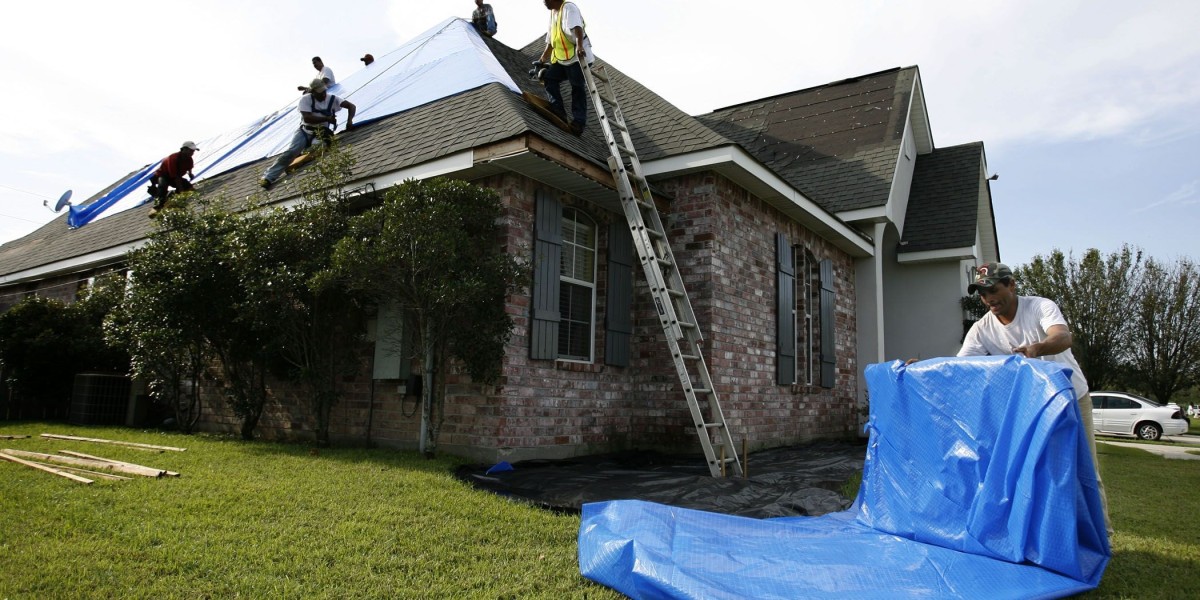
A roof protects your home from rain, wind, snow, heat, and many other outside elements. When your roof is damaged suddenly, it can create serious problems inside your house. Water leaks, mold, damaged walls, and electrical risks are just a few of the issues that can happen if roof damage is not fixed quickly.
Many homeowners do not think about their roof until something goes wrong. A sudden storm, heavy rain, fallen tree, or strong winds can cause immediate damage. When this happens, fast action is very important to protect your home and family.
This guide explains everything you need to know about urgent roof repairs, what causes them, how the process works, how much it can cost, and how to stay prepared.
What Is an Emergency Roof Repair?
An emergency roof repair is needed when roof damage happens suddenly and creates an immediate risk to your home. This type of repair cannot wait for weeks or even days. Delaying the repair can make the damage worse and more expensive.
Emergency roof repairs are different from regular maintenance. Regular repairs can be planned, but emergency repairs must be handled right away to prevent further problems.
Common Situations That Cause Roof Emergencies
Roof emergencies can happen at any time. Some of the most common causes include:
Storm Damage
Heavy rain, strong winds, hail, and snowstorms can tear shingles, damage flashing, or create holes in the roof.
Fallen Trees or Branches
During storms, large branches or trees can fall on the roof and cause serious damage.
Severe Leaks
Sudden leaks during rain can flood ceilings, walls, and floors.
Fire Damage
Even small fires can weaken roofing materials and make the roof unsafe.
Aging Roof Materials
Old roofs may fail suddenly, especially during bad weather.
Signs That You Need Immediate Roof Repair
Some roof problems are easy to see, while others are hidden. Watch for these warning signs:
Water dripping from the ceiling
Dark stains on walls or ceilings
Missing or broken shingles
Sagging roof areas
Daylight visible through the roof
Mold or mildew smell
If you notice any of these signs, do not ignore them. Quick action can save you from costly repairs later.
Why Quick Action Matters
Roof damage does not stay small. A small crack or missing shingle can quickly turn into major water damage. Moisture can spread into insulation, walls, and electrical systems.
Waiting too long can lead to:
Structural damage
Mold growth
Higher repair costs
Health risks
Insurance claim problems
That is why homeowners search for emergency roof repair nj when unexpected roof problems appear and fast help is needed.
What Happens During an Emergency Roof Repair?
The process usually follows a few important steps:
Inspection
A professional inspects the roof to identify the source and severity of the damage.
Temporary Protection
Temporary solutions like tarps or sealants may be used to stop water from entering.
Damage Assessment
The contractor checks whether repairs or replacement is needed.
Permanent Repair
Once conditions are safe, permanent repairs are completed using proper materials.
Types of Emergency Roof Repairs
Different problems require different repair methods:
Shingle Replacement
Damaged or missing shingles are replaced to stop leaks.
Leak Sealing
Cracks or holes are sealed to prevent water entry.
Flashing Repair
Loose or damaged flashing around chimneys or vents is fixed.
Structural Repair
Severe damage may require strengthening or replacing roof sections.
How Much Do Emergency Roof Repairs Cost?
Costs vary depending on many factors. There is no one fixed price for urgent roof work.
Factors that affect cost include:
Size of the damaged area
Type of roofing material
Severity of the damage
Labor requirements
Time of service (night or weekend)
Homeowners often want to understand the emergency roof repair nj pricing range so they can prepare financially during stressful situations.
Does Insurance Cover Emergency Roof Repairs?
In many cases, yes. Home insurance often covers damage caused by storms, fallen trees, or fire. However, coverage depends on your policy.
Insurance usually does not cover:
Poor maintenance
Old wear and tear
Pre-existing damage
Always take photos and contact your insurance provider as soon as possible after the damage occurs.
How Long Do Emergency Repairs Take?
Emergency repairs are designed to stop immediate damage quickly. Temporary repairs can often be completed within a few hours. Permanent repairs may take one or more days, depending on weather and damage level.
Fast response is key to preventing further loss.
Can You Fix a Roof Emergency Yourself?
Small temporary actions can help, but full repairs should be handled by professionals.
You may:
Place a bucket under leaks
Cover visible holes with plastic sheets
Move valuables away from water
Do not climb on the roof during storms or unsafe conditions. This can be very dangerous.
Choosing the Right Emergency Roofing Contractor
When choosing a contractor, look for:
Proper licensing
Insurance coverage
Emergency availability
Clear communication
Experience with urgent repairs
A reliable contractor understands how stressful roof emergencies can be and responds quickly.
How to Prevent Future Roof Emergencies
While not all emergencies can be avoided, some steps can reduce risk:
Schedule regular roof inspections
Fix small issues early
Clean gutters regularly
Trim nearby trees
Replace old roofing materials
Prevention saves money and stress in the long run.
Seasonal Roof Risks to Watch For
Different seasons bring different risks:
Winter
Ice buildup and heavy snow can damage roofing materials.
Spring
Heavy rain and storms can expose weak areas.
Summer
Heat can cause materials to expand and crack.
Fall
Falling leaves can clog gutters and trap moisture.
Being aware of seasonal risks helps you stay prepared.
Stress and Safety During Roof Emergencies
Roof emergencies are stressful. Water damage, safety concerns, and unexpected costs can feel overwhelming. Staying calm and acting quickly makes a big difference.
Protect your family first, then focus on stopping further damage.
Final Thoughts
A damaged roof is not something to delay. Fast response protects your home, health, and finances. Understanding how emergency repairs work helps you make better decisions during difficult moments.
If you ever face sudden roof damage, knowing when to call for emergency roof repair nj can prevent serious problems and expensive repairs.
Being informed, prepared, and proactive ensures your home stays safe no matter what the weather brings.