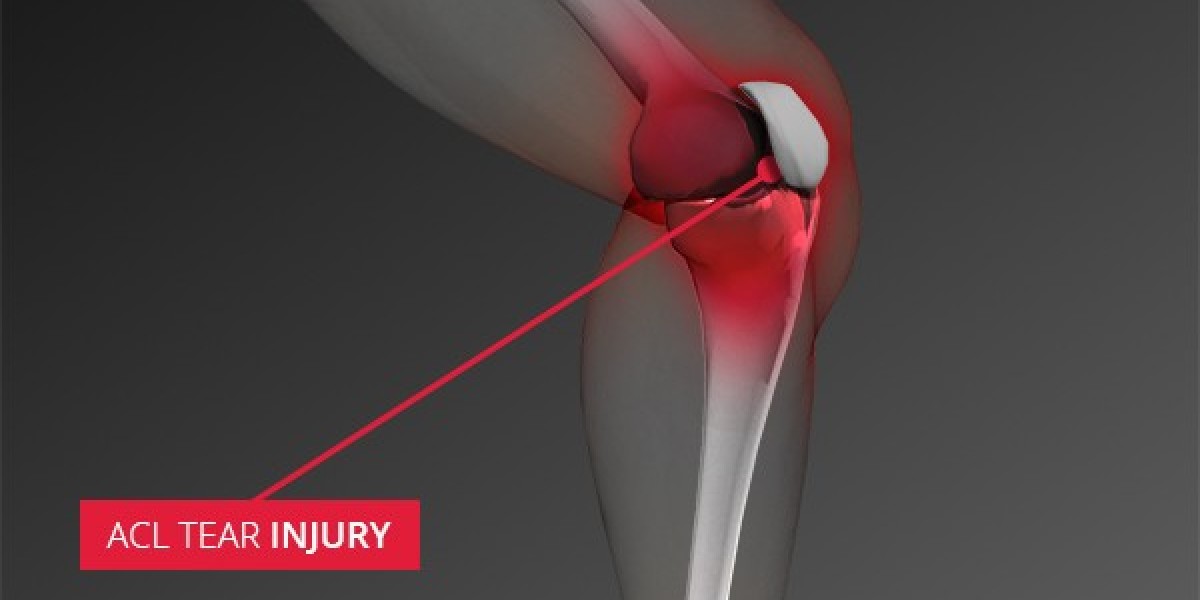
ACL injuries, groin pain, and Achilles tendinopathy are among the most common musculoskeletal conditions affecting active individuals and athletes. However, these injuries are not limited to sportspeople alone. Everyday activities, poor movement patterns, and sudden changes in activity levels can also contribute.
Although these conditions affect different areas of the body, they are often linked by similar biomechanical and load-related factors. Without proper management, they can lead to long-term pain, weakness, and reduced confidence in movement. Early assessment and structured rehabilitation through Physiotherapy in Edinburgh play a crucial role in recovery and injury prevention.
ACL Injuries: More Than Just a Knee Problem
The anterior cruciate ligament (ACL) is essential for knee stability, especially during twisting and pivoting movements. An ACL injury can significantly impact mobility and confidence, even during simple activities like walking or climbing stairs.
▸ Common signs of an ACL injury include:
A popping sensation at the time of injury
Rapid swelling around the knee
Knee instability or giving way
Difficulty changing direction
ACL injuries often affect surrounding muscles and joints, not just the knee itself. Hip strength, core control, and ankle stability all influence knee function, which is why physiotherapy looks beyond the injured ligament.
Physiotherapy and Long-Term ACL Recovery
Whether ACL injuries are managed surgically or conservatively, physiotherapy remains essential. Rehabilitation is carefully structured to restore movement while protecting healing tissues.
▸ Key phases of ACL rehabilitation:
Pain and swelling reduction
Restoring knee range of motion
Strengthening surrounding muscles
Balance and neuromuscular control training
Return-to-sport or activity conditioning
With expert Physiotherapy in Edinburgh, rehabilitation is tailored to individual lifestyles and goals, not just clinical timelines.
Groin Pain: A Complex and Often Misunderstood Condition
Groin pain can be particularly challenging because it often involves multiple structures. Muscles, tendons, joints, and nerves can all contribute to symptoms.
▸ Common causes of groin pain include:
Adductor muscle strain
Hip joint stiffness or impingement
Core and pelvic instability
Sudden increases in training load
Groin pain rarely resolves with rest alone. Without addressing underlying movement patterns, symptoms often return once activity resumes.
How Physiotherapy Effectively Treats Groin Pain
Physiotherapy focuses on restoring balanced movement across the hip, pelvis, and core. Treatment plans are progressive and aim to build tolerance to load safely.
▸ Physiotherapy treatment may include:
Progressive strengthening of adductors and core muscles
Hip mobility exercises
Load management and pacing strategies
Movement retraining for sport or daily tasks
Through personalised Physiotherapy in Edinburgh, patients experience reduced pain, improved strength, and a lower risk of recurrence.
Achilles Tendinopathy: Why Rest Alone Is Not Enough
Achilles tendinopathy develops gradually due to repeated stress on the tendon. Complete rest often weakens the tendon further, delaying recovery.
▸ Typical symptoms include:
Pain or stiffness during the first steps in the morning
Discomfort after exercise
Tenderness or thickening of the tendon
Early intervention is key, as untreated Achilles tendinopathy can become chronic and difficult to manage.
Physiotherapy Approach to Achilles Tendinopathy
Physiotherapy aims to rebuild tendon strength and improve load tolerance rather than eliminate activity completely.
▸ Treatment strategies include:
Gradual, progressive calf strengthening
Education on training load management
Footwear and running gait assessment
Mobility work for ankle and calf muscles
Professional Physiotherapy in Edinburgh helps patients continue safe activity while promoting tendon healing.
Shared Risk Factors Across These Injuries
ACL injuries, groin pain, and Achilles tendinopathy often share common underlying contributors, even though they affect different body parts.
▸ Shared risk factors include:
Muscle weakness or imbalance
Poor movement control
Sudden changes in activity levels
Inadequate recovery time
Physiotherapy identifies and addresses these factors to reduce injury risk and support long-term physical health.
The Importance of Whole-Body Assessment
Focusing only on the site of pain often leads to incomplete recovery. A comprehensive physiotherapy assessment considers how the entire body moves.
For example, reduced ankle mobility may increase stress on the knee, while weak hip muscles can overload the groin or Achilles tendon. Physiotherapy in Edinburgh adopts a whole-body approach to ensure no contributing factors are overlooked.
Preventing Recurrence Through Education and Strength
Recovery does not end when pain disappears. Physiotherapists provide education on movement patterns, strength maintenance, and gradual progression.
▸ Prevention strategies include:
Ongoing strength training
Improved movement awareness
Structured return-to-activity plans
Injury risk reduction advice
This proactive approach helps patients remain active and confident long after treatment ends.
When to Seek Physiotherapy Support
Early physiotherapy intervention leads to better outcomes. Persistent pain, stiffness, or weakness should never be ignored.
You should consider Physiotherapy in Edinburgh if:
Pain limits daily activities or exercise
Symptoms return after rest
Movement feels unstable or restricted
Recovery feels slow or inconsistent
Timely care reduces recovery time and prevents further injury.
Choosing the Right Physiotherapy Care in Edinburgh
Effective physiotherapy is personalised, evidence-based, and focused on long-term results. A skilled physiotherapist listens carefully, assesses thoroughly, and adapts treatment as progress is made.
Reliable Physiotherapy in Edinburgh services support patients through every stage of recovery, from early pain management to full return to activity.
Final Thoughts
ACL injuries, groin pain, and Achilles tendinopathy can be challenging, but they are highly treatable with the right approach. Understanding the causes and addressing them early leads to stronger, more resilient movement.
By choosing expert Physiotherapy in Edinburgh, individuals gain access to professional guidance, structured rehabilitation, and long-term injury prevention—allowing them to move with confidence and control again.