Fire safety is a critical priority in Canada’s residential, commercial, and multi-unit construction sectors. National and provincial building codes place strong emphasis on compartmentalization, safe evacuation routes, and materials that slow the spread of fire and smoke. Doors play a central role in these protective systems, especially in interior areas that separate living spaces from potential fire hazards such as garages, utility rooms, mechanical areas, and shared corridors.
Modern buyers are looking for door solutions that deliver strong safety performance while maintaining a clean, contemporary appearance. A Fire Rated Flat Door offers a smooth, minimalist surface combined with certified fire resistance, making it suitable for both residential renovations and new construction projects across Canada. These doors integrate seamlessly into modern interiors while supporting code compliance and long-term durability.
Understanding Canadian Fire Safety Requirements
Canada follows the National Building Code of Canada (NBCC), which establishes minimum standards for fire separation between building zones. Provincial authorities may introduce additional requirements depending on local conditions and occupancy types. Fire-resistance ratings are measured in minutes, typically ranging from 20 to 90 minutes, indicating how long a door assembly can withstand exposure to fire before losing integrity.
These standards are especially important in multi-family dwellings, condominiums, student housing, healthcare facilities, and commercial spaces. Fire-rated doors help prevent rapid flame spread, limit smoke migration, and create safer evacuation pathways. Certified labeling confirms that products have passed standardized testing procedures and meet approved performance benchmarks.
Cold climate conditions also affect material performance in Canada. Seasonal temperature changes, humidity variations, and indoor heating cycles can stress building components. Quality fire-rated doors are engineered to remain stable and functional under these conditions, maintaining proper alignment and sealing over time.
What Makes Flat Fire-Rated Doors Popular
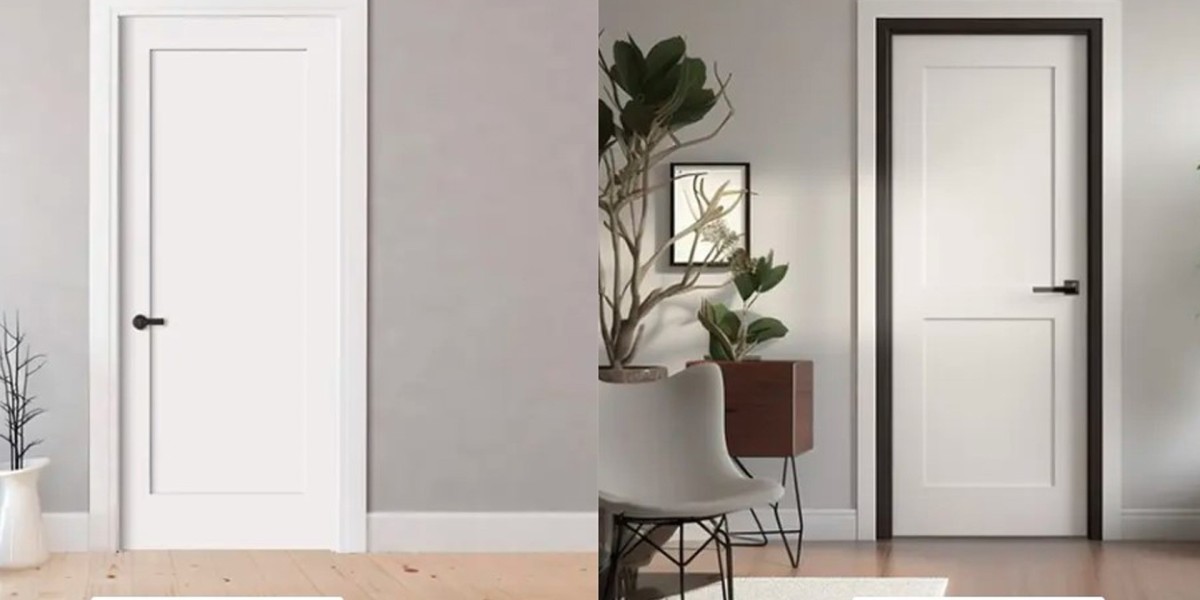
Flat doors feature smooth, uninterrupted surfaces without raised panels or decorative profiles. This simple aesthetic fits well with contemporary architecture and minimalist interior design trends. Their clean lines make them easy to paint, laminate, or finish according to interior décor preferences.
A Fire Rated Flat Door combines this modern appearance with specialized core materials such as mineral board, fire-resistant composites, or reinforced engineered wood. These cores are designed to resist heat transfer and maintain structural integrity during fire exposure. Surface skins are manufactured to withstand temperature stress while preserving visual consistency.
Flat doors are often selected for offices, apartment corridors, institutional buildings, and modern residential spaces where uniformity and ease of maintenance are priorities. Their smooth surfaces are easier to clean and repaint, making them ideal for high-traffic environments.
Slab Door Options for Renovation Flexibility
In many renovation projects, property owners prefer to keep existing frames and trim to reduce disruption and cost. Firerated Slab Doors offer a practical solution by allowing the door leaf to be replaced without altering the surrounding structure. This approach is particularly valuable in older homes, heritage properties, and occupied buildings where minimizing construction impact is important.
Slab-only options are available in multiple sizes, thicknesses, and finishes, allowing compatibility with a wide range of existing openings. Accurate measurements and professional fitting are essential to ensure proper clearance, smooth operation, and maintained fire performance.
Because slab doors do not include frames or hardware, installers must ensure that hinges, latches, and seals are approved for fire-rated assemblies. Improper hardware selection can compromise fire resistance and fail inspection requirements.
Installation Considerations in Canadian Conditions
Professional installation plays a key role in achieving reliable fire performance. Installers must follow manufacturer specifications related to gap tolerances, frame anchoring, and hardware positioning. Even small deviations can reduce the effectiveness of fire-resistant assemblies.
Climate conditions should also be considered during installation. Extremely cold or humid environments can affect material behavior and finishing performance. Allowing materials to acclimate before installation helps prevent warping and alignment issues later.
Routine inspections and maintenance help ensure continued performance. Homeowners and facility managers should periodically check hinges, closers, seals, and surface condition to maintain proper operation and safety compliance.
Energy Efficiency and Acoustic Benefits
Although fire-rated doors are primarily designed for safety, they also provide secondary benefits such as improved sound insulation and air sealing. Solid-core constructions help reduce noise transfer between rooms, improving comfort in apartments, offices, and shared living environments.
Well-sealed doors reduce drafts and heat loss, supporting energy efficiency goals in colder regions. Stable core materials resist moisture absorption and dimensional changes, contributing to long-term reliability and reduced maintenance costs.
These performance benefits align with Canada’s growing focus on sustainable building practices and efficient energy usage.
Cost and Long-Term Value
Fire-resistant doors typically require higher initial investment compared to standard interior doors due to specialized materials, testing, and certification processes. However, this cost is offset by enhanced safety, regulatory compliance, and potential insurance advantages.
In commercial and multi-unit buildings, compliant installations reduce liability exposure and improve occupant confidence. For homeowners, safety upgrades can increase resale value and appeal to buyers seeking modern, code-compliant properties.
Choosing Firerated Slab Doors may reduce project costs in renovation scenarios by preserving existing frames and minimizing structural modifications.
Design Compatibility and Finishing Options
Flat fire-rated doors offer excellent design flexibility. They can be painted in neutral tones for minimalist interiors or customized with bold colors for modern statements. Laminate and veneer finishes provide added durability and aesthetic variety.
Hardware options such as concealed hinges, contemporary lever handles, and soft-close mechanisms enhance both functionality and visual appeal. While hardware must remain fire-rated compatible, design choices continue to expand as manufacturers innovate.
This balance between safety and style allows designers and homeowners to achieve cohesive interiors without compromising protective performance.
Selecting a Trusted Canadian Supplier
Working with a reputable Canadian supplier ensures access to certified products, clear documentation, and reliable customer support. Local distributors understand regional code requirements and climate considerations, helping buyers select appropriate door specifications.
Warranty coverage, delivery timelines, customization options, and installation support should be reviewed when comparing suppliers. Strong supplier relationships help reduce project risks and ensure smooth coordination.
A well-sourced Fire Rated Flat Door provides peace of mind, consistent quality, and long-term reliability in safety-critical applications.
Final Thoughts
Fire-resistant flat doors play a vital role in modern Canadian construction by combining safety performance with contemporary design. Understanding code requirements, material construction, installation best practices, and supplier reliability allows buyers to make informed decisions that protect occupants and property.
Whether for residential upgrades, commercial developments, or renovation projects, thoughtful door selection enhances safety compliance, interior comfort, and long-term value. With careful planning and professional execution, property owners can confidently integrate effective fire protection into functional and attractive interior spaces.