A quality lifeguard training program is designed to do more than issue a certificate it prepares individuals to prevent emergencies, respond quickly under pressure, and protect lives in real aquatic environments. If you’re considering lifeguard training or comparing programs, understanding what should be included is essential for making the right choice.
Summary
A quality lifeguard training program includes comprehensive instruction in water safety, active surveillance, rescue techniques, CPR/First Aid, emergency communication, and realistic scenario-based practice. It also covers certification requirements, equipment use, teamwork skills, and ongoing skill evaluation. The goal is to ensure lifeguards are confident, competent, and ready to act when seconds matter.
1. Water Safety Knowledge and Risk Awareness
A strong lifeguard training program begins with water safety education. Lifeguards must understand how and why accidents happen so they can prevent them.
This includes:
Understanding drowning risk factors
Recognizing swimmer distress and unsafe behavior
Identifying environmental hazards (depth changes, weather, crowding)
Enforcing pool or facility safety rules effectively
Prevention is the first and most important responsibility of a lifeguard.
2. Active Surveillance and Scanning Techniques
Quality training teaches active surveillance, not passive observation. Lifeguards learn how to continuously scan their zone and identify problems early.
Training covers:
Proper scanning patterns
Zone coverage responsibilities
Eliminating blind spots
Recognizing subtle signs of distress
Staying alert during long shifts
This skill alone prevents many emergencies before a rescue is needed.
3. Swimming Proficiency and Physical Readiness
A lifeguard must be physically capable of performing rescues safely. Quality programs include swim assessments and endurance training.
This typically involves:
Strong swimming fundamentals
Endurance swimming drills
Timed swims or distance requirements
Safe water entries and exits
Physical readiness ensures lifeguards can reach victims quickly without putting themselves at risk.
4. Rescue Techniques and Victim Management
Rescue training is a core component of any quality program. Lifeguards learn how to approach, secure, and remove victims safely from the water.
This includes:
Active and passive victim rescues
Surface and submerged rescues
Front and rear rescue approaches
Safe victim support and towing
Deck removal and handoff procedures
Training emphasizes rescuer safety first, followed by effective victim care.
5. CPR, First Aid, and Emergency Care
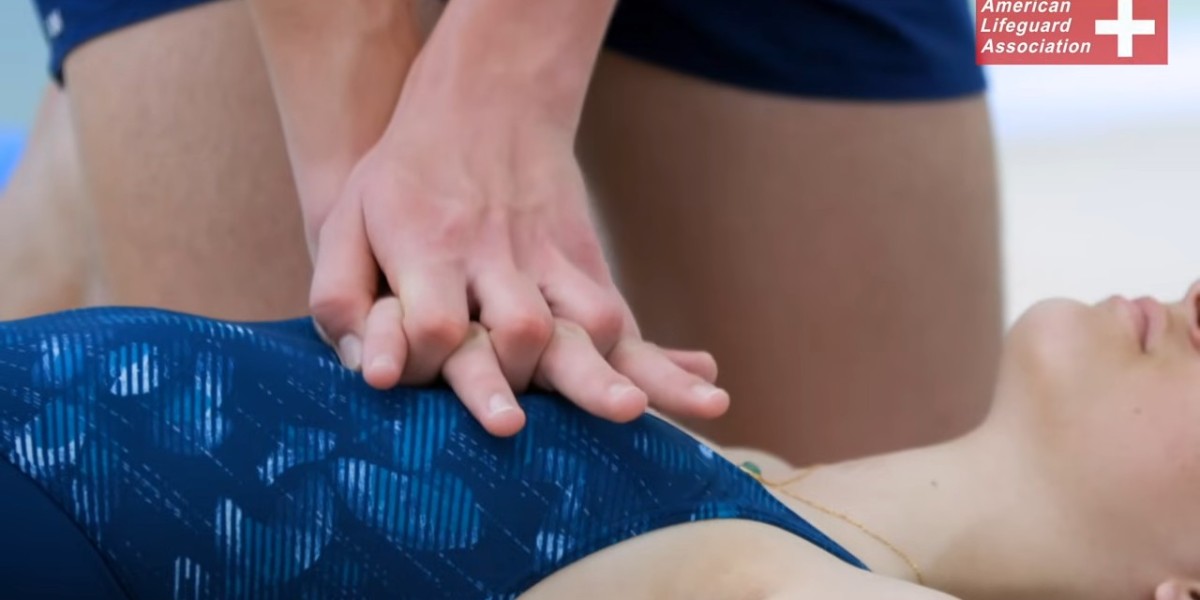
A quality lifeguard training program includes hands-on CPR and First Aid instruction. Lifeguards must be prepared to act immediately after a rescue.
Training covers:
Adult, child, and infant CPR
Rescue breathing
Choking response
Bleeding and wound care
Shock recognition and response
AED awareness or use (depending on facility)
Repeated practice ensures these lifesaving skills become automatic in emergencies.
6. Rescue Equipment Training
Professional lifeguards must know how to use safety equipment correctly. Quality programs include hands-on training with common rescue tools.
Equipment training often includes:
Rescue tubes or buoys
Backboards for spinal injuries
Reaching and throwing assists
Emergency signaling devices
Trainees learn when and how to use each piece of equipment safely and efficiently.
7. Spinal Injury and Head/Neck Management
Quality programs teach lifeguards how to recognize and respond to potential spinal injuries, which require special care.
Training includes:
Identifying spinal injury risks
In-water stabilization techniques
Backboarding procedures
Team-based spinal rescues
Safe transfer of victims to EMS
This training reduces the risk of further injury during rescue.
8. Emergency Action Plans (EAPs)
A quality lifeguard training program teaches how to follow and execute Emergency Action Plans.
This includes:
Activating emergency protocols
Assigning team roles during incidents
Communicating with other lifeguards and staff
Coordinating with emergency medical services
Incident documentation basics
Clear EAP training ensures calm, organized responses during emergencies.
9. Communication, Teamwork, and Leadership
Lifeguards rarely work alone. Quality programs focus on communication and teamwork, especially during high-stress situations.
Training emphasizes:
Clear verbal and non-verbal communication
Whistle and hand signals
Team coordination during rescues
Leadership and responsibility
Professional behavior on duty
These soft skills are critical for smooth, effective emergency responses.
10. Scenario-Based and Realistic Practice
One of the most important elements of a quality program is scenario-based training. This is where skills come together.
Scenarios may include:
Unconscious swimmer rescue
Multi-victim emergencies
Crowded pool incidents
Spinal injury situations
CPR response after rescue
Realistic practice builds confidence, decision-making ability, and calm execution.
11. Skills Testing and Certification Evaluation
what is included in a quality lifeguard training program ,A quality lifeguard training program includes formal evaluations to ensure trainees can perform required skills.
This often includes:
Written knowledge exams
Practical rescue assessments
CPR and First Aid skill tests
Instructor feedback and correction
Certification should only be issued after skills are demonstrated not just attended.
12. Certification Validity and Renewal Guidance
Quality programs clearly explain:
Certification validity period
When and how to renew
Recertification options
Skill refresh requirements
This ensures lifeguards remain current and compliant with employer standards.
Conclusion: What Makes a Lifeguard Program Truly “Quality”
A quality lifeguard training program is comprehensive, hands-on, and focused on real-life safety not shortcuts or paperwork. It prepares lifeguards to prevent accidents, respond decisively in emergencies, and protect lives with confidence and professionalism.
When choosing a program, look for:
Hands-on training
Scenario-based practice
Qualified instructors
Clear certification standards
Emphasis on prevention and teamwork
The right training doesn’t just help you pass it prepares you to save lives.