Introduction to American Lifeguard Certification
American lifeguard certification is a professional credential that prepares individuals to protect lives in aquatic environments such as swimming pools, beaches, lakes, and waterparks. This certification confirms that a lifeguard has completed standardized training in water safety, rescue skills, and emergency medical response. Earning lifeguard certification is not only a requirement for employment in many facilities, but it is also a responsibility that reflects a commitment to public safety and professionalism.
Importance of Lifeguard Certification
Lifeguard certification is essential because it ensures consistent safety standards across aquatic facilities in the United States. Certified lifeguards are trained to recognize risks, prevent accidents, and respond quickly during emergencies. Without proper certification, individuals may lack the knowledge or skills needed to handle drowning incidents, injuries, or cardiac emergencies. Certification helps facilities meet legal and insurance requirements while giving patrons confidence that trained professionals are on duty.
Eligibility and Prerequisites
To enroll in an American lifeguard certification program, candidates must meet certain prerequisites. These typically include a minimum age requirement, strong swimming ability, and basic physical fitness. Candidates are often required to complete a swim test, tread water for a set time, and retrieve objects from deep water. These prerequisites ensure that participants are physically capable of performing rescues and handling demanding situations.
Structure of Lifeguard Certification Programs
American lifeguard certification programs are structured to combine classroom instruction with hands-on training. Classroom sessions cover topics such as water safety principles, lifeguard responsibilities, legal considerations, and emergency action plans. Practical training focuses on swimming skills, rescue techniques, and first aid procedures. This balanced structure ensures that candidates understand both the theory and practical application of lifeguarding.
Water Safety and Surveillance Training
One of the most critical components of lifeguard certification is water surveillance. Trainees learn how to continuously scan their assigned zones using effective scanning patterns. They are trained to recognize signs of swimmer distress, fatigue, or panic, even in crowded environments. Certification programs emphasize prevention, teaching lifeguards how to enforce rules and address unsafe behavior before emergencies occur.
Rescue Techniques and Emergency Response
Rescue training is a core part of American lifeguard certification. Candidates learn a variety of rescue techniques, including reaching assists, throwing assists, and in-water rescues. They are trained to safely approach active and passive victims and remove them from the water efficiently. Special attention is given to spinal injury management, as improper handling can worsen injuries. Repeated practice helps trainees develop confidence and quick reaction skills.
First Aid, CPR, and AED Training
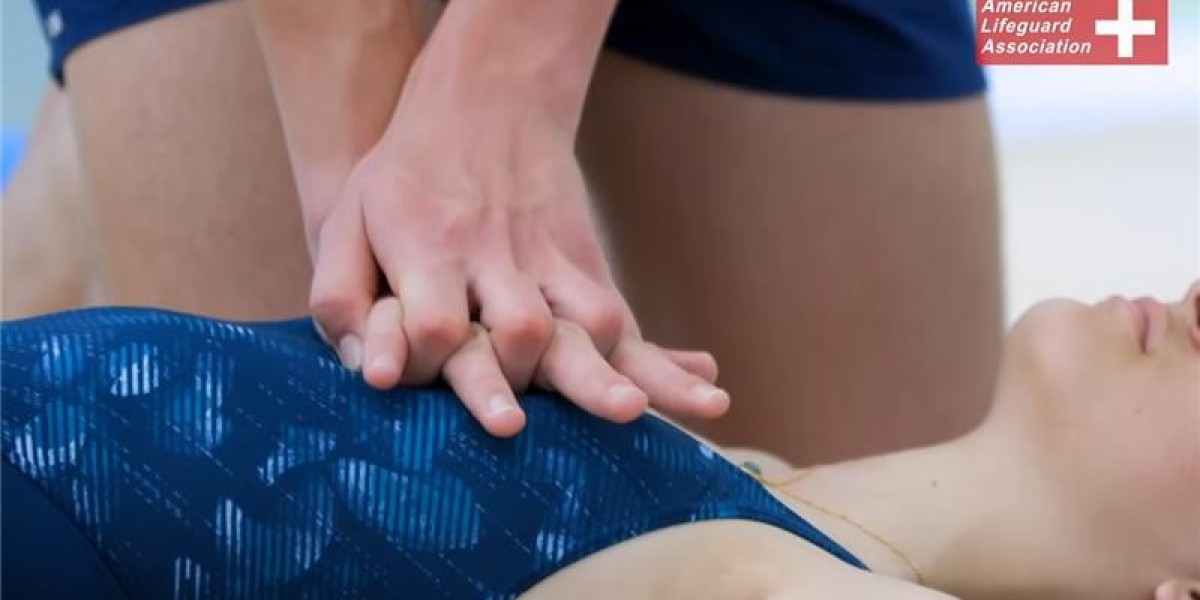
Medical response training is a major element of lifeguard certification. Candidates receive instruction in first aid, cardiopulmonary resuscitation (CPR), and the use of automated external defibrillators (AEDs). Training includes how to respond to cardiac arrest, breathing emergencies, severe bleeding, fractures, and shock. These skills are critical because lifeguards are often the first responders during emergencies, and immediate care can save lives.
Emergency Action Plans and Teamwork
American lifeguard certification programs place strong emphasis on emergency action plans (EAPs). Trainees learn how to follow facility-specific procedures during emergencies such as drownings, injuries, or evacuations. Teamwork and communication are key elements, as lifeguards must work together to manage incidents efficiently. Practicing EAPs helps ensure calm, organized responses during high-pressure situations.
Skill Testing and Final Assessments
To earn certification, candidates must successfully pass both written and practical assessments. Written exams test knowledge of lifeguard duties, safety procedures, and emergency response protocols. Practical tests evaluate swimming ability, rescue skills, and medical response techniques. These assessments ensure that certified lifeguards meet established competency standards and are ready to perform their duties effectively.
Certification Validity and Recertification
American lifeguard certification is typically valid for a limited period, often one to two years. To remain certified, lifeguards must complete recertification courses before their certification expires. Recertification helps lifeguards refresh their skills, learn updated safety guidelines, and maintain readiness. Ongoing training is essential because safety standards and best practices may change over time.
Career Opportunities with Lifeguard Certification
Earning American lifeguard certification opens the door to a wide range of employment opportunities. Certified lifeguards can work at community pools, fitness centers, resorts, beaches, and waterparks. With experience, lifeguards may advance to roles such as head lifeguard, aquatic supervisor, or instructor. The certification also provides valuable skills that are transferable to careers in healthcare, public safety, and emergency services.
Personal and Professional Benefits
Beyond employment, lifeguard certification offers personal benefits. Certified lifeguards develop confidence, leadership, and the ability to remain calm under pressure. The life-saving skills learned during certification can be used outside the workplace, helping friends, family, or community members in emergencies. Many individuals find lifeguarding rewarding because it allows them to make a positive impact by protecting lives.
At the end
American lifeguard certification is a comprehensive credential that prepares individuals to ensure safety in aquatic environments. Through training in water surveillance, rescue techniques, medical response, teamwork, and professionalism, certification programs develop skilled and responsible lifeguards. Whether pursued as a seasonal job or a long-term career step, American lifeguard certification provides valuable skills, meaningful experiences, and the opportunity to save lives.