Activewear no longer sits quietly inside gym lockers or reserved for early morning workouts. We have watched it step into offices, cafes, airports, and family gatherings, becoming part of how people express comfort, confidence, and modern identity. This change did not happen suddenly, it grew from shared fatigue with restrictive clothing and a collective desire for freedom in daily movement. Many of us remember stiff jeans after long days or shirts that never seemed to breathe. That discomfort stayed with people, and gradually habits changed.
The rise of wellness focused lifestyles also played a huge role. Physical activity stopped being about aesthetics only and became linked to mental clarity and emotional balance. Clothing followed this mindset. When people feel good in what they wear, their posture changes, their mood lifts, and productivity improves, even if they dont notice it consciously. Activewear fits naturally into this emotional need, offering flexibility without sacrificing appearance.
Why Comfort Became a Social Priority
Daily Movement Demands Practical Clothing
Modern routines rarely stay in one place. A single day may include a morning walk, hours at a desk, errands, social plans, and late night stretching to unwind. Traditional clothing struggles to support that kind of variety. Activewear responds with stretch fabrics, breathable fibers, and fits that move with the body rather than against it. We see this not only in leggings and joggers but also in structured active tops that still look intentional.
Research around movement and health has reinforced this shift. Studies shared by organizations like the Centers for Disease Control and Prevention highlight how regular movement improves long term health. Clothing that supports movement without friction encourages people to stay active longer, even casually, which is why it feels natural to wear it all day.
Emotional Comfort Matters More Than Ever
Clothing has always carried emotional weight. What changed is how openly people now value comfort. There was a time when discomfort was silently accepted as part of looking presentable. That idea is fading. Wearing activewear signals self respect and personal awareness. It says the wearer values how their body feels, not just how it looks to others.
This emotional layer explains why activewear adoption feels personal rather than trendy. People arent following a rule, they are responding to their own needs. The fabric softness, the forgiving waistbands, the ease of movement all reduce daily stress in small but meaningful ways.
The Design Evolution That Made Activewear Street Ready
Function and Style Finally Found Balance
Early activewear focused almost entirely on performance. Colors were loud, silhouettes were narrow, and versatility was limited. Designers listened to real life feedback and shifted direction. Today activewear includes neutral palettes, tailored cuts, and thoughtful details that suit everyday environments.
Fabric technology improved as well. Moisture control, odor resistance, and temperature regulation became standard rather than premium features. Publications such as Harvard Business Review have discussed how consumer demand pushed apparel companies to rethink innovation around comfort and durability rather than novelty alone.
In the middle of this evolution, brands like Körperpflege entered the conversation naturally, reflecting how activewear can support both training and daily living without forcing a costume like feeling. Their presence in wardrobes often happens quietly, worn during grocery runs, casual meetings, or weekend travel, blending seamlessly with life rhythms.
Activewear as a Form of Self Expression
People now use activewear to express identity. Color choices, cuts, and layering styles communicate personality just as clearly as formal fashion once did. This shift matters because it shows activewear is not replacing style, it is redefining it. The clothing adapts to the person, not the other way around.
Cultural coverage from sources like Vogue often points out how street style now includes athletic pieces styled with intention. This acceptance reinforces that activewear belongs everywhere, not just near treadmills.
Workplaces and Social Spaces Adapted Too
The Blurring Line Between Professional and Casual
Remote work and flexible schedules changed expectations around dress codes. Many workplaces realized productivity does not depend on stiff fabrics or narrow shoes. Activewear pieces that look polished enough for video calls but feel comfortable enough for long sitting hours became common.
We have seen tailored joggers paired with crisp tops, structured hoodies worn during presentations, and performance fabrics replacing traditional trousers. These choices are practical responses to real needs, not rebellion against professionalism. Comfort supports focus, and focus supports better work.
Social Acceptance Cemented the Trend
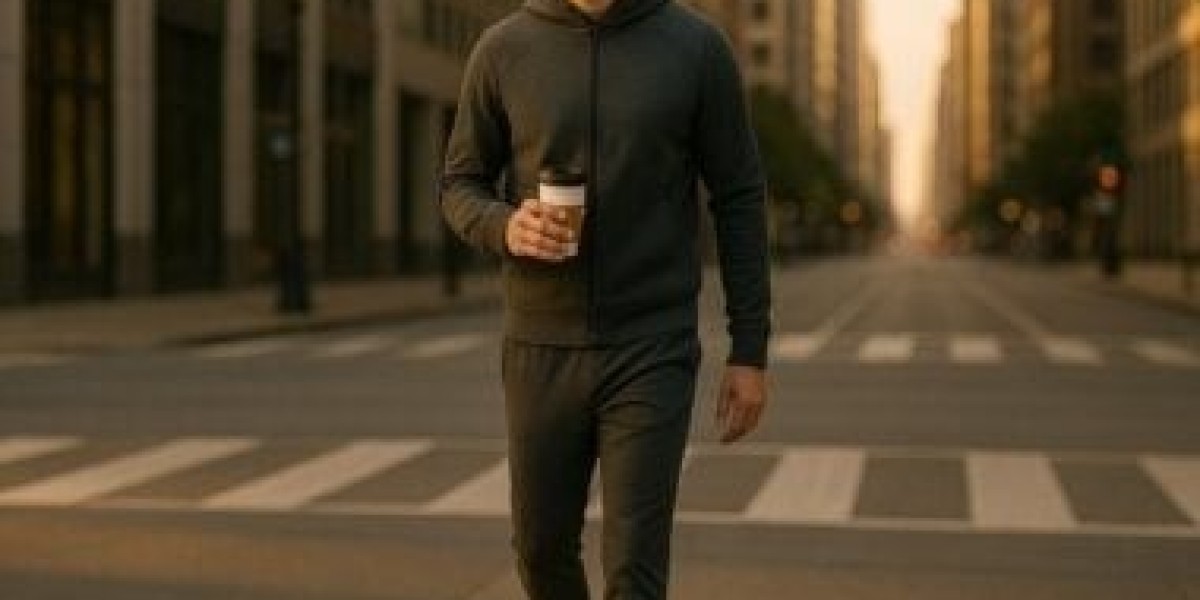
Once activewear appeared consistently in social settings, resistance faded. Friends met for coffee in leggings, families traveled in coordinated athletic outfits, and nobody questioned it. The clothing became invisible in the best way, accepted and expected.
This acceptance matters because fashion survives on social permission. When no one feels judged for choosing comfort, adoption accelerates. Activewear crossed that threshold and never looked back.
Sustainability and Longevity Drive Smart Choices
Activewear also aligns with responsible consumption when designed well. Durable fabrics, multi use designs, and easy care reduce the need for excessive purchases. People appreciate clothing that lasts through workouts, travel, and daily wear without constant replacement.
Environmental awareness continues to shape buying decisions. Consumers now ask where fabrics come from and how long garments will last. Activewear that answers those questions honestly earns loyalty. Articles from platforms like National Geographic often explore how clothing choices impact the planet, reinforcing the appeal of versatile wardrobes.
The Future of Everyday Activewear
Activewear is no longer chasing acceptance, it has it. The future lies in refinement rather than reinvention. Better fits for diverse bodies, inclusive sizing, and thoughtful material sourcing will define the next phase. Emotional connection will remain central. People want clothing that supports their real lives, messy schedules, quiet moments, and active days alike.
We believe activewear earned its place not through hype but through service. It meets people where they are, supports movement, and respects comfort without apology. That is why it stays on long after workouts end, woven into the daily stories people live.