Minimally invasive surgery has fundamentally changed the landscape of modern medicine. By enabling surgeons to perform complex procedures through small incisions, it offers patients reduced pain, shorter recovery times, and minimal scarring. At the heart of this surgical evolution is a suite of specialized tools designed for precision and control. Among these, the laparoscopic grasper stands out as a cornerstone instrument, essential for manipulating tissue with accuracy and care. Its development has been pivotal in advancing what is possible within the operating room.
Understanding the Laparoscopic Grasper
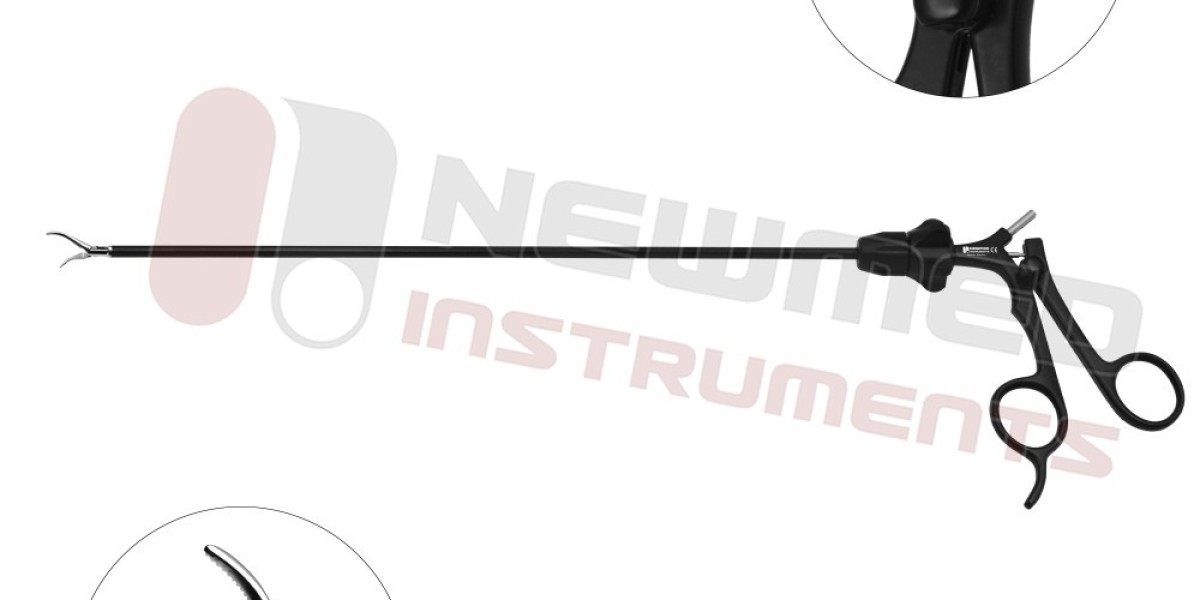
A laparoscopic grasper is a handheld instrument used to grasp, retract, and stabilize tissue during laparoscopic procedures. It consists of a long, thin shaft that is inserted through a small incision, or port, into the body cavity. At the distal end, a pair of jaws, or tips, performs the grasping function, controlled by a handle at the proximal end. The design allows surgeons to perform delicate tasks deep within the body without the need for large, open incisions, embodying the core principles of minimally invasive techniques.
The Anatomy of Precision
The effectiveness of this instrument lies in its sophisticated design. The handle mechanism provides the surgeon with ergonomic control, translating hand movements into precise jaw actions. The insulated shaft protects surrounding tissues from thermal energy if electrocautery is used, while its length allows access to various anatomical regions. The true versatility, however, comes from the variety of jaw types available. From fine, atraumatic jaws for delicate tissues to strong, toothed jaws for secure gripping, the selection of the correct tip is crucial for procedural success and patient safety.
Types of Grasper Jaws and Their Applications
The diversity in jaw design directly corresponds to the wide range of surgical tasks a laparoscopic grasper can perform. Fenestrated graspers, for example, are ideal for holding larger organs like the liver or stomach, as the openings reduce surface trauma. Atraumatic graspers, such as the DeBakey or Babcock types, are designed for handling delicate structures like the bowel or fallopian tubes without causing injury. Conversely, toothed or serrated graspers, like the Allis or Kocher, provide a firm grip required for manipulating tougher, more fibrous tissues. This specialization ensures that surgeons have the right tool for every unique challenge they encounter.
The Role of Quality in Surgical Outcomes
For surgeons and healthcare professionals, the quality of their instruments is non-negotiable. A superior laparoscopic grasper is defined by its durability, reliability, and precision engineering. High-quality materials, such as medical-grade stainless steel, ensure the instrument can withstand repeated sterilization cycles without degradation. A well-balanced design and a smooth, responsive handle mechanism reduce surgeon fatigue and enhance tactile feedback, allowing for more controlled and accurate tissue manipulation. This commitment to quality directly translates into improved surgical outcomes and enhanced patient safety.
Proper Handling and Maintenance
The longevity and performance of a laparoscopic grasper depend on meticulous care and maintenance. Proper handling during a procedure prevents damage to the instrument's delicate tips and shaft. Following the procedure, a thorough cleaning and sterilization process is critical to prevent infection and ensure the instrument is ready for its next use. Adhering to the manufacturer's guidelines for cleaning, inspection, and sterilization is essential for maintaining the integrity of these vital surgical tools and safeguarding patient well-being.
The Future of Laparoscopic Instrumentation
As surgical techniques continue to advance, so too will the instruments that make them possible. The future of laparoscopic instrumentation points toward greater robotic integration, enhanced ergonomic designs, and the development of "smart" instruments with integrated sensory feedback. These innovations will further empower surgeons, allowing for even greater precision and control in the operating room. At New Med Instruments, we remain dedicated to being at the forefront of this evolution, providing the high-quality, precise tools that healthcare professionals need to deliver superior patient care.