Saudi Arabia’s security landscape is evolving rapidly. With expanding infrastructure, growing trade activity, and large-scale projects under Vision 2030, the movement of vehicles through sensitive locations has increased significantly. Airports, ports, industrial zones, government complexes, and energy facilities all depend on secure and efficient vehicle access. In this environment, traditional vehicle checks are increasingly seen as insufficient, leading to a shift toward intelligent inspection methods that better match modern security and operational demands.
The Changing Nature of Vehicle-Related Risks
Vehicle security risks today are more complex than in the past. Threats may involve concealed items, unauthorized modifications, or misuse of legitimate access rather than obvious violations. At the same time, facilities must process large volumes of vehicles without causing delays that disrupt operations or economic activity.
Traditional vehicle checks were designed for simpler risk environments. As traffic increases and threats become more sophisticated, these methods struggle to provide the level of visibility, consistency, and speed that modern facilities require.
Limitations of Traditional Vehicle Checks
Conventional vehicle checks rely heavily on manual inspection and human judgment. Guards visually examine vehicles, often using handheld tools and basic procedures. While experience and training are valuable, these methods have clear limitations.
Manual checks are time-consuming and can lead to congestion at entry points. They are also affected by fatigue, weather conditions, and varying skill levels among personnel. Over long shifts or during peak traffic hours, maintaining consistent inspection quality becomes difficult. These limitations increase the risk of missed details and uneven security standards.
The Shift Toward Intelligent Inspection
Intelligent inspection represents a move toward technology-supported security processes. Instead of relying solely on manual observation, intelligent methods use automated data capture, enhanced imaging, and digital workflows to support decision-making.
The goal is not to replace security personnel, but to equip them with better tools. By improving visibility and standardizing processes, intelligent inspection allows teams to work more efficiently and with greater confidence, even in high-pressure environments.
Improving Consistency and Reliability
One of the strongest reasons for adopting intelligent inspection is the need for consistency. In large facilities or multi-site operations, inspections must follow the same standards regardless of time, location, or personnel on duty.
Intelligent inspection helps achieve this by applying uniform processes across checkpoints. Clear visual data and automated guidance reduce variation in how vehicles are assessed. This consistency is particularly important in Saudi Arabia, where large organizations often manage multiple high-security locations under shared regulatory requirements.
Supporting Faster Throughput at Entry Points
Speed is a critical factor at modern checkpoints. Long queues can disrupt logistics, delay staff and visitors, and create safety concerns. Traditional checks often struggle to balance thoroughness with efficiency.
Intelligent inspection enables quicker assessments without compromising security. Vehicles can be screened more smoothly as part of the normal traffic flow, helping facilities manage peak periods while maintaining control. This balance between speed and safety is essential for airports, ports, and industrial hubs across the Kingdom.
Reducing Human Error in Security Operations
Human error is an unavoidable risk in any manual process. Even highly trained personnel can overlook details under stress or fatigue. Intelligent inspection reduces this risk by supporting human judgment with technology-driven insights.
Automated processes and clear visuals help security teams focus on evaluation rather than detection alone. This support leads to more reliable outcomes and reduces dependence on individual alertness, especially in round-the-clock operations.
Data-Driven Security Management
Another key advantage of intelligent inspection is the ability to generate and store data. Each inspection can create a digital record that supports audits, investigations, and performance analysis.
In regulated sectors such as energy, transportation, and government operations, this traceability is highly valuable. Historical data allows organizations to identify trends, refine procedures, and make informed decisions about staffing, layout, and risk mitigation strategies.
Integration with Broader Security Systems
Modern security operations are interconnected. Intelligent inspection solutions can integrate with access control systems, surveillance platforms, and centralized monitoring centers. This integration creates a more comprehensive view of vehicle movement and activity.
When data from multiple systems is combined, security teams gain stronger situational awareness and can respond more effectively to potential risks. This integrated approach aligns well with Saudi Arabia’s broader digital transformation goals.
Intelligent Inspection in High-Security Environments
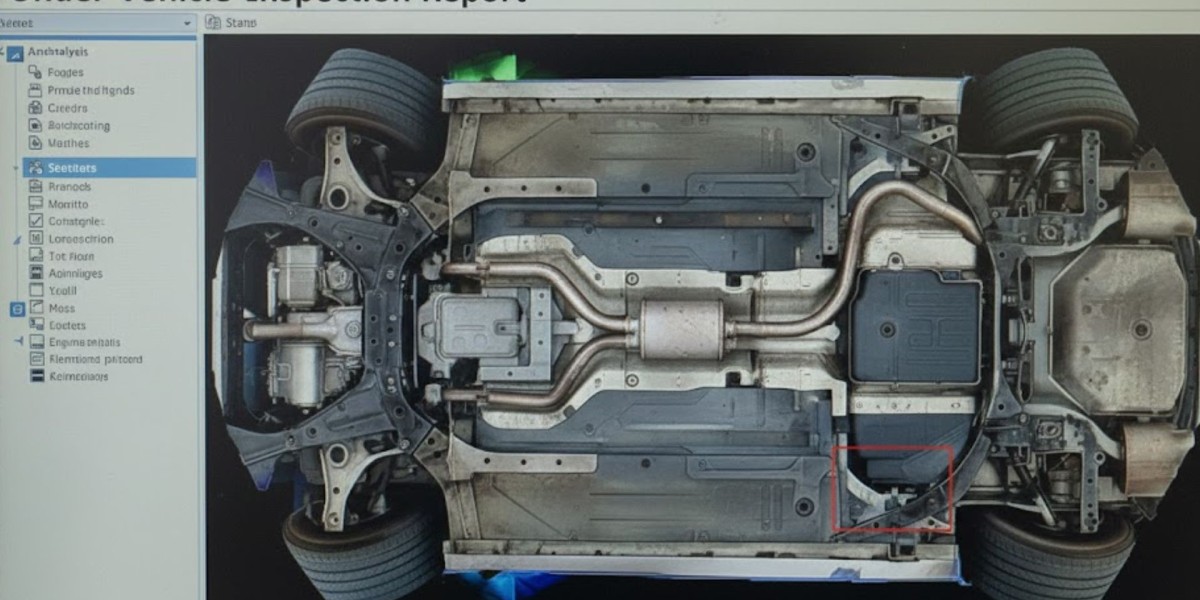
In certain high-risk locations, intelligent inspection may include advanced technologies such as an under vehicle inspection system as part of a layered security approach. In these cases, the system complements other controls rather than acting alone, contributing to a more robust overall security strategy.
The emphasis remains on intelligent use of technology to support informed decisions and reduce uncertainty at critical access points.
Preparing for the Future of Vehicle Security
As Saudi Arabia continues to develop smart cities, industrial corridors, and mega projects, vehicle security requirements will continue to grow. Traditional vehicle checks, while familiar, are increasingly unable to meet the demands of scale, speed, and consistency required in these environments.
Intelligent inspection provides a future-ready approach that supports efficient operations while strengthening security. By adopting these methods, organizations can better protect critical assets and align with the Kingdom’s long-term vision for resilient and modern infrastructure.
Conclusion
The replacement of traditional vehicle checks with intelligent inspection in Saudi Arabia reflects a practical response to changing security needs. Manual methods alone can no longer deliver the consistency, efficiency, and reliability required at today’s high-volume entry points. Intelligent inspection enhances visibility, reduces human error, and supports data-driven security management, making it a key element of modern vehicle security across the Kingdom.