A roof is one of the most critical components of any building. It not only protects the structure from harsh weather conditions but also contributes to the overall aesthetics and structural integrity. For decades, roofing installation was a labor-intensive process, relying heavily on manual labor for cutting, shaping, and fastening roofing materials. Today, roofing machines have revolutionized the industry, making installation faster, more accurate, and far safer.
From residential homes to large commercial complexes and industrial facilities, roofing machines have become indispensable for contractors who prioritize efficiency, precision, and quality. These machines not only streamline the roofing process but also reduce errors, minimize material waste, and enhance the final results.
What Are Roofing Machines?
Roofing machines are specialized tools designed to assist with the fabrication, cutting, shaping, and installation of roofing materials. They are used across a wide range of roof types, including metal roofs, asphalt shingles, composite membranes, and tiles.
The main purpose of these machines is to automate repetitive tasks, improve accuracy, and increase productivity. Depending on the type of machine, they can handle panel forming, cutting, seaming, fastening, and even inspection. By streamlining these tasks, roofing machines allow contractors to complete projects more efficiently while maintaining a higher standard of quality.
Types of Roofing Machines
1. Roll Forming Machines
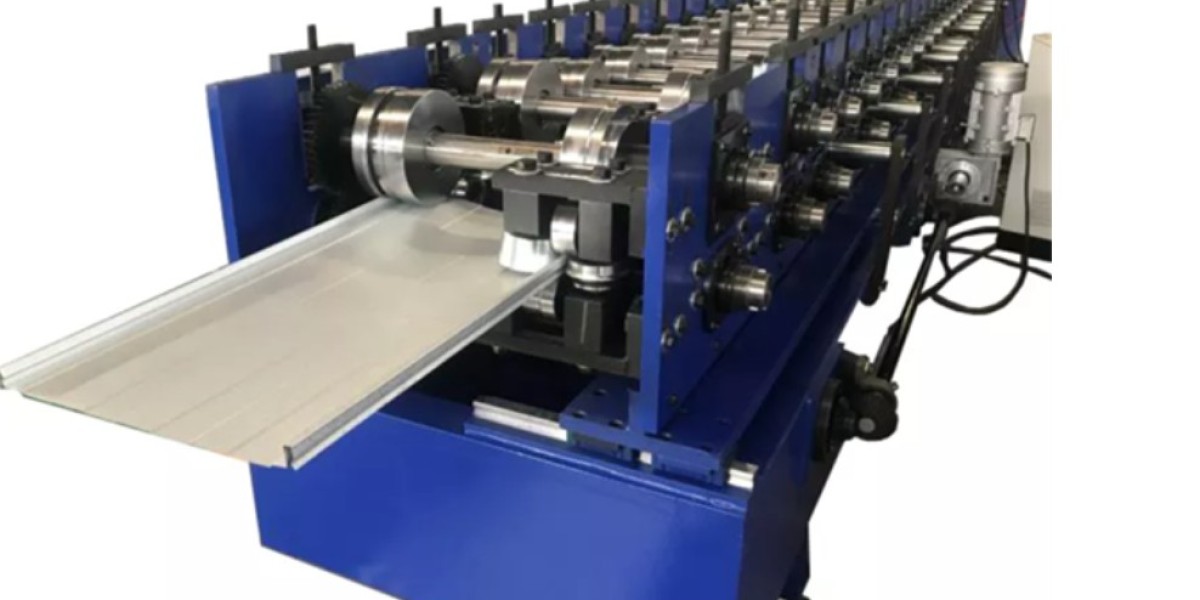
Roll forming machines are primarily used for metal roofing. They take flat metal coils and shape them into panels with specific profiles, such as standing seam or corrugated designs. The process involves feeding the metal through a series of rollers that precisely form the panel. This ensures uniformity and reduces material waste, which is crucial for large-scale residential or commercial projects.
2. Roof Seaming Machines
Seaming machines are essential for standing seam metal roofs. They mechanically fold and crimp the edges of the metal panels, creating watertight connections that prevent leaks. Manual seaming can be labor-intensive and prone to errors, but machines ensure consistency, accuracy, and durability across the entire roof.
3. Cutting Machines
Precision is key in roofing. Cutting machines, including automated saws and shears, are designed to cut roofing materials to exact dimensions. They can handle metals, shingles, and composite panels quickly and accurately, ensuring that each piece fits perfectly. Accurate cutting also reduces material waste and the need for adjustments during installation.
4. Fastening Machines
Fastening machines, such as pneumatic nail guns and automated screw systems, secure roofing materials efficiently. Proper fastening is crucial to prevent leaks, wind damage, and panel misalignment. Using machines for this task improves safety and ensures uniform placement, which manual methods can struggle to achieve.
5. Inspection and Measurement Tools
Digital gauges, laser levels, and thermal scanners are increasingly used to inspect roofing installations. These tools identify alignment issues, uneven surfaces, or weak points before and after installation, helping contractors maintain quality standards and prevent costly repairs.
Benefits of Using Roofing Machines
1. Increased Efficiency
Roofing machines drastically reduce installation time. Tasks that would take days manually can often be completed in hours. This efficiency allows contractors to take on multiple projects simultaneously and complete large-scale installations without compromising quality.
2. Enhanced Accuracy
Manual roofing can result in misaligned panels, uneven cuts, or improperly placed fasteners. Roofing machines provide precise, repeatable results, ensuring that each panel fits perfectly and every fastener is correctly positioned. This improves the overall durability and performance of the roof.
3. Improved Safety
Roofing is a physically demanding and hazardous job. Roofing machines reduce manual labor, minimizing the risk of strain injuries and accidents. By automating repetitive and potentially dangerous tasks, these machines create a safer work environment for contractors.
4. Cost Savings
While the initial investment in roofing machines may be significant, they save money in the long run. Faster installation reduces labor costs, precise cuts minimize material waste, and fewer errors reduce the need for repairs or rework, making them highly cost-effective over time.
5. Versatility
Modern roofing machines can work with a variety of materials, including metals, asphalt, and composites. This versatility allows contractors to handle different roofing types with a single machine, maximizing productivity and reducing equipment needs.
Applications of Roofing Machines
Residential Projects
Homeowners benefit from roofing machines because they allow for the precise installation of durable roofing materials. Metal roofs, shingles, and composite panels can be installed quickly and accurately, providing long-lasting protection and a polished appearance.
Commercial Buildings
Offices, retail stores, and hotels often require large, consistent roof surfaces. Roofing machines ensure that panels are correctly aligned, fasteners are secure, and installation is efficient, which reduces maintenance requirements and improves longevity.
Industrial Facilities
Factories, warehouses, and manufacturing plants need robust roofs that withstand harsh conditions. Roofing machines help fabricate and install metal panels or composite roofing systems accurately, providing durability and reliability across expansive surfaces.
Roof Renovation and Repair
Roofing machines are invaluable for renovations and repairs. They allow contractors to replace damaged sections efficiently while ensuring a seamless fit with existing materials, maintaining both performance and aesthetics.
Choosing the Right Roofing Machine
Selecting the appropriate roofing machine depends on several factors:
1. Material Compatibility – Ensure the machine can handle the specific roofing material used.
2. Project Scale – Large projects may require automated or multi-functional machines.
3. Durability and Build Quality – Invest in machines built for long-term reliability.
4. Portability – Mobile machines are ideal for contractors working on multiple sites.
5. Training and Support – Reputable manufacturers provide operator training and technical support for safe use.
Conclusion
Roofing machines have revolutionized the roofing industry by improving efficiency, accuracy, safety, and cost-effectiveness. They allow contractors to fabricate, cut, seam, and fasten roofing materials with precision, reducing labor time and minimizing errors.