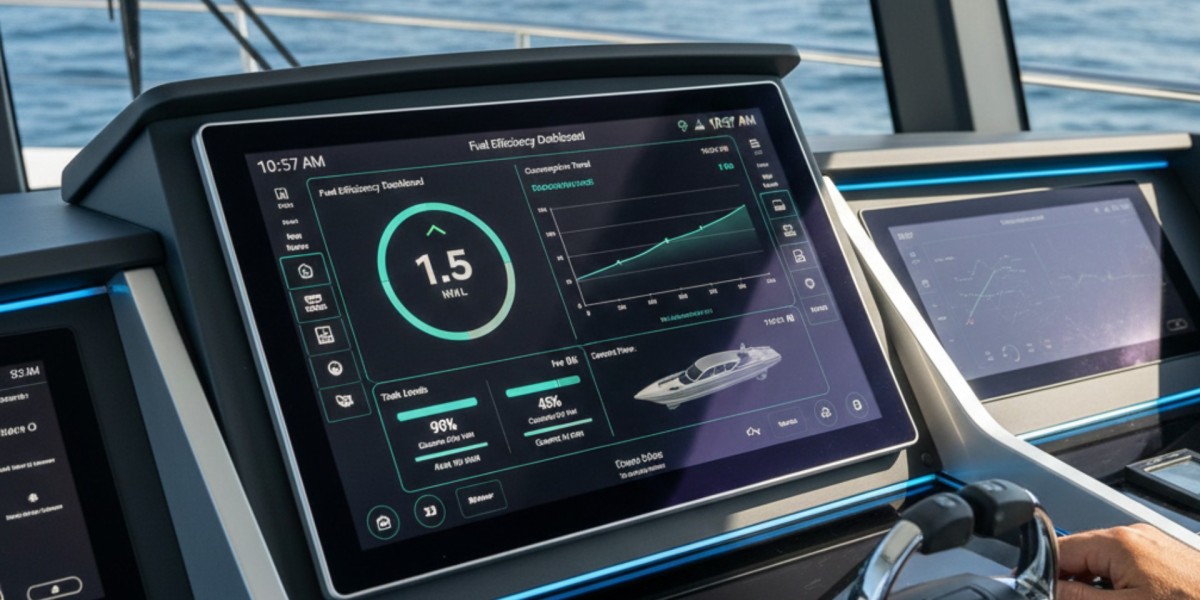
Maritime operations are becoming increasingly complex, with vessel operators facing rising fuel prices, stricter environmental regulations, and intense pressure to improve profitability. In this environment, relying on estimates and post-voyage reports is no longer enough. Real-time analytics has emerged as a powerful tool that enables operators to see what is happening onboard as it happens and act immediately. By turning live operational data into actionable insights, real-time analytics helps reduce inefficiencies, control costs, and optimize performance across every voyage.
The True Cost of Limited Visibility in Marine Operations
Lack of real-time visibility is one of the biggest contributors to hidden costs at sea. When fuel consumption, engine performance, or vessel behavior is only reviewed after a voyage, opportunities for correction are already lost. Inefficient speeds, prolonged idling, poor engine tuning, and suboptimal routing continue unchecked, quietly increasing operational expenses. Over time, these inefficiencies compound, making it difficult for operators to understand why costs are rising or where corrective action is needed.
What Real-Time Analytics Brings to the Table
Real-time analytics continuously collects and processes data from onboard systems, sensors, and fuel monitoring equipment. Instead of static reports, operators gain live dashboards that reflect current fuel usage, engine status, vessel speed, and operational conditions. This immediate feedback loop allows crews and shore teams to identify anomalies as soon as they occur and respond before costs escalate. Real-time analytics shifts operations from reactive analysis to proactive control.
Fuel Consumption Optimization Through Live Insights
Fuel represents the largest single operating expense for most vessels. Real-time analytics provides precise visibility into how fuel is consumed across engines, generators, and auxiliary systems. Sudden spikes in fuel usage, inefficient speed ranges, or abnormal consumption patterns become immediately visible. With this insight, operators can adjust speed, load distribution, or operating practices in real time to reduce waste. Over the course of a voyage, these adjustments translate into significant fuel savings.
Smarter Speed and Route Decisions
Speed and routing decisions have a direct impact on fuel consumption. Even small changes in speed can dramatically increase fuel burn, especially under challenging sea conditions. Real-time analytics combines fuel data with speed, weather, and load information to reveal the most efficient operating profiles. Crews can avoid inefficient speed ranges and respond dynamically to changing conditions. This level of optimization helps balance schedule requirements with fuel efficiency, reducing unnecessary operational costs.
Reducing Engine-Related Inefficiencies
Engines that are not operating at optimal efficiency consume more fuel and experience higher wear. Real-time analytics tracks key performance indicators such as RPM, temperatures, pressures, and load levels. Deviations from normal performance are detected early, allowing engineers to take corrective action before inefficiencies worsen. Addressing engine issues promptly not only cuts fuel costs but also reduces maintenance expenses and extends equipment lifespan.
Minimizing Human-Driven Operational Waste
Crew behavior plays a major role in operational efficiency. Excessive idling, inconsistent throttle use, or deviation from standard operating procedures can significantly increase fuel consumption. Real-time analytics provides objective data on vessel operation, making inefficiencies visible without relying on assumptions. This transparency supports targeted training, standardized best practices, and greater accountability. When crews see the immediate impact of their actions on fuel usage, behavior naturally shifts toward efficiency.
Improved Maintenance Planning and Cost Control
Maintenance costs can escalate quickly when issues are detected too late. Real-time analytics supports condition-based maintenance by highlighting performance trends that indicate emerging problems. Rather than servicing equipment on rigid schedules or reacting to failures, operators can plan maintenance based on actual operating conditions. This approach reduces unplanned downtime, avoids unnecessary part replacement, and lowers overall maintenance expenditure.
Accurate Fuel Accounting and Loss Prevention
Operational costs are not only driven by consumption but also by inaccuracies in fuel accounting. Real-time analytics provides precise fuel measurement, helping operators reconcile bunkering, detect discrepancies, and identify potential leaks or losses. Improved accuracy strengthens financial control and builds confidence in reporting. This level of transparency is essential for budgeting, charter agreements, and performance benchmarking across vessels.
Centralized Decision-Making With Integrated Systems
The true power of real-time analytics is realized when data is centralized and accessible to both onboard and shore-based teams. Integrated platforms consolidate information from multiple systems into a single view, enabling consistent decision-making across the organization. A modern marine fuel management approach leverages this integration to align operational decisions with cost-control objectives. Centralized analytics ensures that insights are shared, standardized, and acted upon efficiently.
Supporting Sustainability and Regulatory Compliance
Lower operational costs often go hand in hand with improved environmental performance. Reduced fuel consumption directly lowers emissions and supports compliance with international regulations. Real-time analytics provides documented evidence of efficiency improvements and operational discipline, which is increasingly important for audits, reporting, and stakeholder expectations. Sustainability is no longer separate from cost control it is a direct outcome of smarter operations.
Building a Culture of Continuous Optimization
Adopting real-time analytics is not just a technology upgrade; it represents a shift in how maritime operations are managed. When teams consistently rely on live data to guide decisions, continuous optimization becomes part of daily operations. Small, incremental improvements made in real time accumulate into substantial cost savings over the long term. This data-driven culture strengthens collaboration between crews and shore teams and drives lasting operational excellence.
Conclusion: Turning Data Into Cost Savings at Sea
Operational cost reduction at sea depends on timely, accurate, and actionable information. Real-time analytics provides the visibility and insight needed to identify inefficiencies, optimize fuel usage, and improve decision-making across every aspect of vessel operation. By acting on live data rather than historical estimates, operators can slash fuel waste, reduce maintenance expenses, and enhance overall efficiency. In today’s competitive maritime environment, real-time analytics is no longer optional — it is a strategic advantage that turns data into measurable savings and sustainable performance.