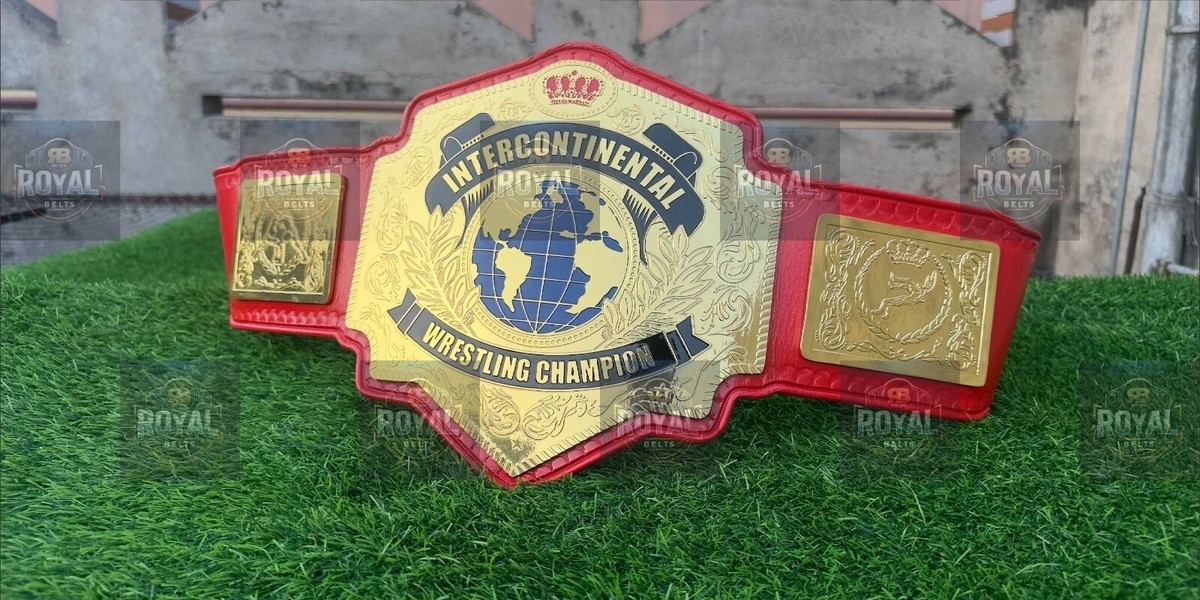
There’s a certain moment every fantasy football season when trash talk turns into something deeper. It’s not just about stats anymore. It’s about pride, memory, and the quiet hope that this year—finally—your name sits at the top. That emotional shift explains why the fantasy football championship belt has become more than a novelty. It’s a symbol that carries weight, literally and emotionally, and it’s reshaping how leagues celebrate winning.
What used to end with a group chat “GG” now ends with a ceremony, a photo, maybe even a little swagger that lasts all offseason. Somewhere along the way, fantasy football stopped being a hobby and started acting like a tradition.
When Fantasy Football Stopped Being “Just a Game”
If you’ve been in a league for more than a couple of seasons, you’ve felt it. The draft becomes an event. Sundays are blocked off. Lineup decisions are debated like court cases. Wins feel personal. Losses linger.
Fantasy football mirrors real life in sneaky ways. It rewards preparation but humbles arrogance. It bonds friends who might otherwise drift apart. It gives siblings something competitive that doesn’t fade with age. Over time, leagues develop their own culture—inside jokes, rivalries, grudges that reset every September.
As that culture deepened, the old rewards started to feel thin. Digital trophies didn’t match the emotional investment. A belt, on the other hand, feels earned. It has presence. You can lift it, pass it around, or hang it where everyone can see it. It turns abstract victory into something real.
Why the Belt Feels Different Than Any Other Trophy
A trophy sits. A ring hides in a drawer. A belt demands attention.
There’s something instinctive about a championship belt. It taps into imagery we’ve all absorbed—wrestling, boxing, MMA. Belts don’t suggest winning; they declare it. Wearing one changes posture. People stand taller. Smiles turn confident.
Psychologically, a belt represents dominance in a way plaques never quite manage. It also travels well. Bringing it to a draft party or a watch night keeps the win alive long after the season ends. That ongoing visibility fuels motivation, rivalry, and respect.
In leagues where competition is friendly but fierce, the belt becomes the physical memory of who earned bragging rights—and who’s chasing them next.
Masculinity, Ritual, and Why Men Love Tangible Symbols
Men don’t always talk openly about achievement, but they show it. A belt fits neatly into that space. It’s expressive without requiring vulnerability. It says, “I earned this,” without having to explain how much the season meant.
That’s why belts resonate across age groups. Younger players see it as status. Older players see it as legacy. For fathers and sons in the same league, the belt can quietly symbolize respect—proof that skill, not age, decides the outcome.
Ritual matters too. Handing over the belt each year creates continuity. It turns a game into a tradition, and traditions stick because they give structure to relationships that might otherwise fade with busy lives.
The Emotional Undercurrent of Winning
Winning a fantasy league isn’t just about being right more often than wrong. It’s about patience. It’s about checking waivers at odd hours. It’s about trusting your gut when projections say otherwise.
A belt acknowledges that unseen effort. It validates the hours nobody noticed. That’s why winners often react more emotionally than expected. The belt becomes a stand-in for every close call and comeback.
For some, it’s also redemption. The guy who always finishes second. The friend who gets mocked for bad draft picks. When that person lifts the belt, the moment carries years of subtext. No speech needed.
How Belts Changed League Dynamics
Once a belt enters a league, behavior shifts. Drafts get sharper. Trades get bolder. Trash talk becomes more creative but also more respectful. There’s something about a physical prize that raises the standard.
Loser punishments still exist, but the belt redirects focus toward achievement rather than humiliation. It encourages upward competition. Everyone wants to be the one photographed wearing it.
Over time, leagues with belts tend to last longer. Members stay invested even through losing seasons because the payoff feels real. The belt becomes the anchor that keeps the group coming back year after year.
Gifting a Championship Belt and What It Really Says
Giving a belt as a gift isn’t about the object alone. It’s about recognition.
For a partner, it can be a way of saying, “I see how much this matters to you,” without needing to fully understand fantasy football. For a parent gifting a son, it’s acknowledgment of adulthood—respecting interests that aren’t shared but are still valued.
Timing matters. A belt given right after a win amplifies the high. One given before a season can act as motivation, almost a challenge wrapped in metal. Either way, the gesture lands because it honors commitment.
What makes this gift work emotionally is that it’s not fleeting. Unlike clothes or gadgets, a belt sticks around. It becomes part of the recipient’s personal story.
The Belt as a Social Object
Belts invite interaction. People ask about them. They spark stories. “That year was wild.” “I shouldn’t have won, but…” These conversations keep friendships active.
In group settings, the belt often moves hands. Everyone wants to feel its weight, even if they didn’t earn it. That shared curiosity turns into shared memory. The belt becomes a social catalyst.
It also softens rivalry. When the prize is visible, competition feels less abstract and more communal. Everyone knows what they’re playing for, and that clarity reduces resentment. Losses feel cleaner when the reward is clearly defined.
Tradition Over Time: Passing the Belt Down
The real magic of a belt shows up after a few seasons. Scratches, wear, and stories accumulate. The belt starts to feel lived-in, like a well-used guitar or a favorite jacket.
Passing it down each year creates a timeline. New members learn the history. Longtime members reminisce. The belt becomes a shared artifact, not just a prize.
In family leagues, this takes on extra meaning. Imagine a belt that’s passed between brothers, cousins, or generations. Each win adds a chapter. Decades later, the belt tells a story without words.
Why Customization Matters Without Turning It Commercial
Personalization doesn’t have to mean flashy. Even subtle touches—league name, year, inside jokes—turn a belt from generic to meaningful.
What matters isn’t how expensive or ornate it looks, but how closely it reflects the group. A belt that mirrors the league’s personality feels authentic. One that feels copied or overly polished can miss the point.
The goal isn’t to impress outsiders. It’s to resonate with the people who know what it represents. That authenticity is what keeps the belt relevant year after year.
Fantasy Football as a Mirror of Adult Friendship
Adult friendships are harder to maintain. Careers, families, distance—they all get in the way. Fantasy football works because it provides a recurring reason to connect.
The belt reinforces that connection. It gives the season a clear arc and a satisfying payoff. Even during busy weeks, the knowledge that the belt is on the line keeps people engaged.
This is especially true for men, who often bond through shared activities rather than conversation. The belt becomes the unspoken agreement to keep showing up.
The Quiet Confidence of Display
Displaying a belt isn’t about bragging in the loud sense. It’s more like quiet confidence. It sits on a shelf or wall, visible but not shouting.
Visitors notice it. Conversations follow. The owner doesn’t have to explain why it matters; the object does that work. That understated pride aligns perfectly with why belts resonate—they communicate achievement without excess explanation.
When Winning Isn’t the Point—but Still Matters
Most fantasy players will say they play for fun. That’s true, but fun doesn’t exclude meaning. Winning matters because it gives structure to the experience.
The belt doesn’t cheapen the fun; it enhances it. It gives everyone something tangible to aim for while keeping the spirit playful. The best leagues balance competitiveness with camaraderie, and the belt sits right in that balance.
The Cultural Shift Toward Experience-Based Rewards
Modern gifting and rewards have moved away from disposable items toward experiences and symbols. People want things that mean something, not just things that fill space.
A belt fits that shift perfectly. It’s not consumed. It’s revisited. Each time it’s seen, it recalls a moment, a season, a shared journey.
That’s why the fantasy football championship belt has quietly become a staple in serious leagues. Not because it’s trendy, but because it aligns with how people want to remember their wins.
Why This Trend Is Likely Here to Stay
Trends fade when they’re shallow. Belts endure because they meet a real emotional need. They provide closure at the end of a season and anticipation at the start of the next.
As fantasy football continues to grow, leagues will keep looking for ways to make the experience feel personal. The belt answers that need without overcomplicating things.
It doesn’t replace the game. It completes it.
Heavy Metal, Heavy Meaning
At first glance, a championship belt might seem over-the-top. Spend one season with it in a league, and that impression changes. It becomes normal—expected, even.
More importantly, it becomes meaningful. It holds the weight of effort, rivalry, laughter, and time spent together. That’s not something an app notification can capture.
Heavy metal pride isn’t about showing off. It’s about honoring the season, the people, and the moments that made it memorable. And that’s why, once a belt enters a league, it rarely leaves.