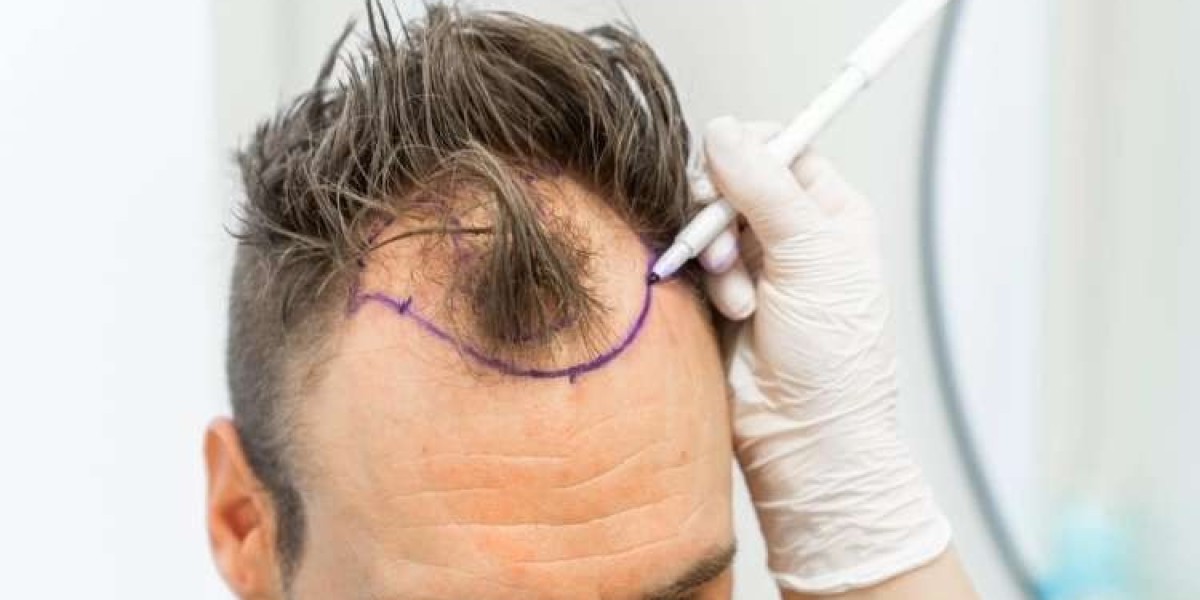
One of the most critical factors in successful hair restoration is strategic density planning. A well-executed Hair Transplant in Islamabad focuses not only on moving hair follicles but also on placing them with precision to mimic natural growth patterns. Hair density planning ensures that transplanted hair blends seamlessly with existing hair, creating results that look authentic, balanced, and long-lasting rather than artificial or overdone.
Understanding Hair Density and Why It Matters
Hair density refers to the number of hair follicles per square centimeter of the scalp. Natural scalp density varies from person to person and across different scalp regions, such as the hairline, mid-scalp, and crown. Effective density planning considers these variations to recreate a realistic appearance. Overcrowding follicles can compromise blood supply, while under-planting may result in sparse coverage. Achieving the right balance is essential for both aesthetics and follicle survival.
The Role of Hairline Design in Density Planning
Hairline design is the foundation of density planning. A natural hairline is irregular, soft, and age-appropriate, rather than straight or sharply defined. Surgeons carefully place single-hair grafts along the front to mimic natural hair emergence, gradually increasing density behind the hairline. This layered approach creates depth and realism, ensuring the transplanted hair does not appear plug-like or unnatural.
Donor Area Assessment and Graft Management
Every hair transplant relies on the donor area, typically located at the back or sides of the scalp where hair is genetically resistant to hair loss. Proper density planning begins with a thorough donor area assessment. Surgeons evaluate follicle strength, hair caliber, and donor density to determine how many grafts can be safely extracted without thinning the donor region. Efficient graft management ensures optimal use of available follicles while preserving scalp aesthetics.
Techniques That Influence Density Outcomes
Modern hair transplant techniques such as Follicular Unit Extraction (FUE), Follicular Unit Transplantation (FUT), and Direct Hair Implantation (DHI) play a significant role in density planning. FUE allows precise extraction and placement of individual follicular units, while DHI offers enhanced control over depth, angle, and direction during implantation. These techniques enable surgeons to customize density distribution based on scalp anatomy and hair characteristics.
Strategic Density Distribution Across the Scalp
Natural hair density is not uniform across the scalp. The frontal hairline requires lighter density for softness, while the mid-scalp and crown may need higher density for visual fullness. Strategic planning involves allocating grafts based on visibility, light reflection, and existing hair coverage. This approach creates the illusion of greater density without overusing grafts, resulting in a natural and sustainable outcome.
Hair Characteristics That Affect Density Planning
Individual hair characteristics significantly influence density outcomes. Hair thickness, curl pattern, and color contrast with the scalp all play a role in visual fullness. Coarser or wavy hair often provides better coverage with fewer grafts compared to fine, straight hair. Surgeons incorporate these factors into density planning to maximize aesthetic impact while maintaining follicle health.
The Importance of Angle and Direction
Density is not just about the number of grafts but also how they are placed. The angle and direction of implanted follicles determine how hair falls and reflects light. Incorrect angulation can make even dense hair appear unnatural. Skilled surgeons replicate natural hair growth patterns by carefully aligning grafts, particularly in areas such as the crown whorl and temples.
Supporting Density with Scalp Health and PRP
Healthy scalp conditions are essential for maintaining density after transplantation. Treatments such as Platelet-Rich Plasma (PRP) therapy are often used to enhance blood circulation, reduce inflammation, and strengthen both transplanted and existing follicles. PRP supports long-term density by improving follicle survival and encouraging robust hair growth throughout the scalp.
Long-Term Planning for Progressive Hair Loss
Hair loss is often progressive, especially in cases of androgenetic alopecia. Effective density planning accounts for future hair thinning by preserving donor resources and designing results that age naturally. Long-term planning ensures that transplanted hair remains balanced with surrounding areas over time, reducing the need for corrective procedures.
Frequently Asked Questions (FAQs)
What is ideal hair density in a hair transplant?
Ideal density varies by scalp area and individual hair characteristics, focusing on natural appearance rather than maximum graft numbers.
Can higher density be achieved in a single session?
Density depends on donor availability, scalp health, and blood supply; surgeons prioritize safe, realistic outcomes.
Does hair density improve over time after a transplant?
Yes, density appears to improve as transplanted hair matures and thickens over several months.
How does hair type affect density results?
Thicker or curly hair provides better visual coverage compared to fine hair.
Is PRP helpful for maintaining hair density?
PRP supports follicle strength and scalp health, contributing to improved long-term density.
Final Thoughts
Hair density planning is the cornerstone of achieving natural-looking hair transplant results. Through precise hairline design, strategic graft distribution, and advanced surgical techniques, modern hair restoration delivers outcomes that blend seamlessly with natural hair. Choosing an experienced clinic that emphasizes artistry, medical expertise, and long-term planning is essential for success. For advanced hair restoration solutions built on precision and trust, SKN Cosmetics remains a leading name in the field.