When machines lose positioning accuracy, develop vibration, or struggle with load stability, the issue often traces back to the bearing system. High-precision equipment demands components that can handle complex loads without sacrificing rigidity. That’s where a cross roller bearing becomes a critical upgrade for performance and reliability.
Why Precision Equipment Often Underperforms
Insufficient Rigidity
Standard bearings may allow slight deflection under load. In high-precision systems like robotics or measuring equipment, even microscopic movement can reduce accuracy and repeatability.
Poor Load Distribution
Many applications involve radial, axial, and moment loads acting at the same time. Conventional bearings are usually optimized for one primary load direction, which leads to uneven stress and faster wear.
Space Limitations
Design engineers often struggle to balance compact machine designs with high load capacity. Multiple bearing arrangements take up more space and increase assembly complexity.
How Cross Roller Bearings Solve These Challenges
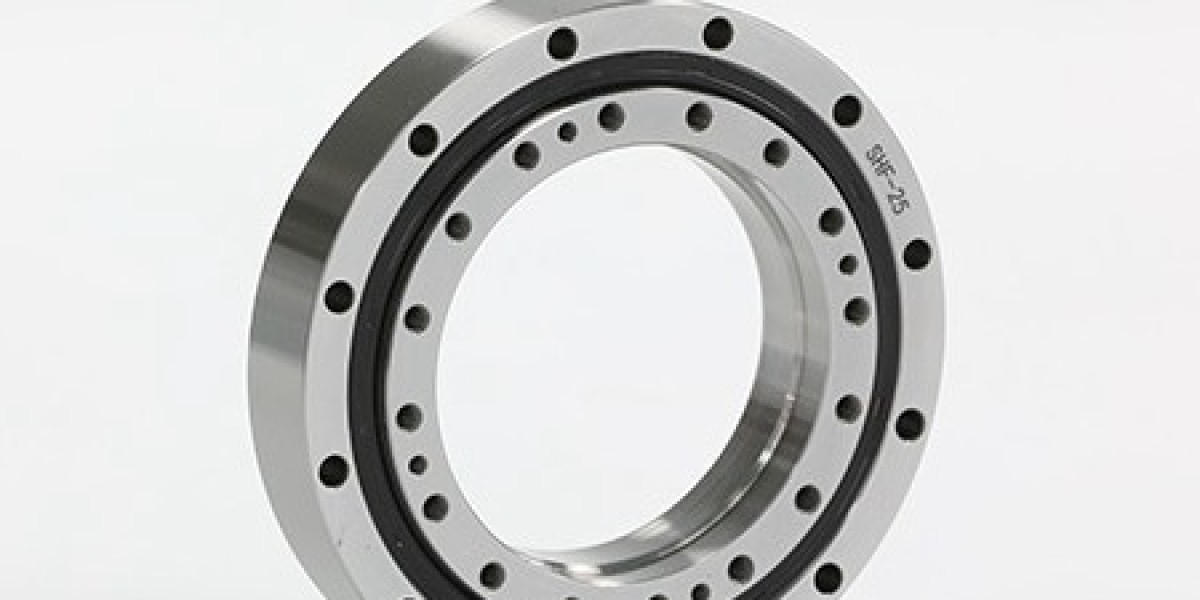
A cross roller bearing is designed with cylindrical rollers arranged in a crisscross pattern between inner and outer rings. This unique structure allows a single bearing to support radial loads, axial loads in both directions, and moment loads simultaneously.
High Rigidity in a Compact Design
Because the rollers are positioned at right angles to each other, the bearing provides exceptional stiffness. This minimizes elastic deformation and ensures stable rotation even under fluctuating forces.
Superior Rotational Accuracy
The controlled roller arrangement reduces internal clearance and improves motion precision. This makes cross roller designs ideal for applications requiring exact positioning.
Simplified Mechanical Design
Since one bearing can handle multiple load directions, engineers can eliminate the need for complex multi-bearing setups. This reduces assembly time and overall machine weight.
Performance Benefits You’ll Notice Immediately
Improved Positioning Accuracy
Machines that rely on exact rotational movement, such as indexing tables or robotic arms, benefit from tighter motion control and repeatability.
Reduced Vibration and Noise
Even load distribution across multiple rollers minimizes imbalance, leading to smoother operation and less mechanical stress.
Higher Load Capacity in Limited Space
Cross roller bearings offer a strong load-to-size ratio, making them perfect for compact equipment where performance cannot be compromised.
Extended Service Life
Balanced stress distribution and durable materials help reduce wear, which extends maintenance intervals and lowers replacement costs.
Industries That Rely on Cross Roller Bearings
These bearings play a vital role in high-precision and heavy-load industries, including:
Industrial robots requiring accurate arm movement
CNC rotary tables that demand precise positioning
Medical equipment such as CT scanners
Semiconductor manufacturing machines with strict accuracy needs
Aerospace and defense systems where reliability is critical
In these fields, performance is measured in microns, and bearing quality directly affects final output.
Key Features of a High-Quality Cross Roller Bearing
Precision-Ground Raceways
Smooth raceway surfaces ensure even roller contact and reduce friction, supporting consistent motion control.
High-Strength Roller Materials
Premium alloy steel and advanced heat treatment improve fatigue resistance under heavy or shock loads.
Optimized Cage or Spacer Design
Separators prevent roller skewing and reduce internal friction, which enhances speed capability and longevity.
Sealing and Lubrication Options
Proper sealing keeps contaminants out, while optimized lubrication systems maintain smooth operation in demanding environments.
Choosing the Right Bearing for Your Application
Not all cross roller bearings are the same. Factors like preload, mounting method, rotational speed, and environmental conditions must be considered. Selecting the correct size and configuration ensures maximum rigidity without unnecessary friction.
Working with an experienced bearing supplier helps ensure that load ratings, tolerances, and installation requirements match your equipment’s needs. This prevents premature wear and protects the accuracy of your entire system.
Stronger Bearings, More Accurate Machines
Precision machinery depends on stability at every rotation point. When bearings lack rigidity or load capacity, performance drops and maintenance costs rise. Upgrading to a cross roller design provides the stiffness, accuracy, and durability modern equipment demands.
In high-performance applications, the right bearing is not just a component — it’s the foundation of reliable and precise operation.