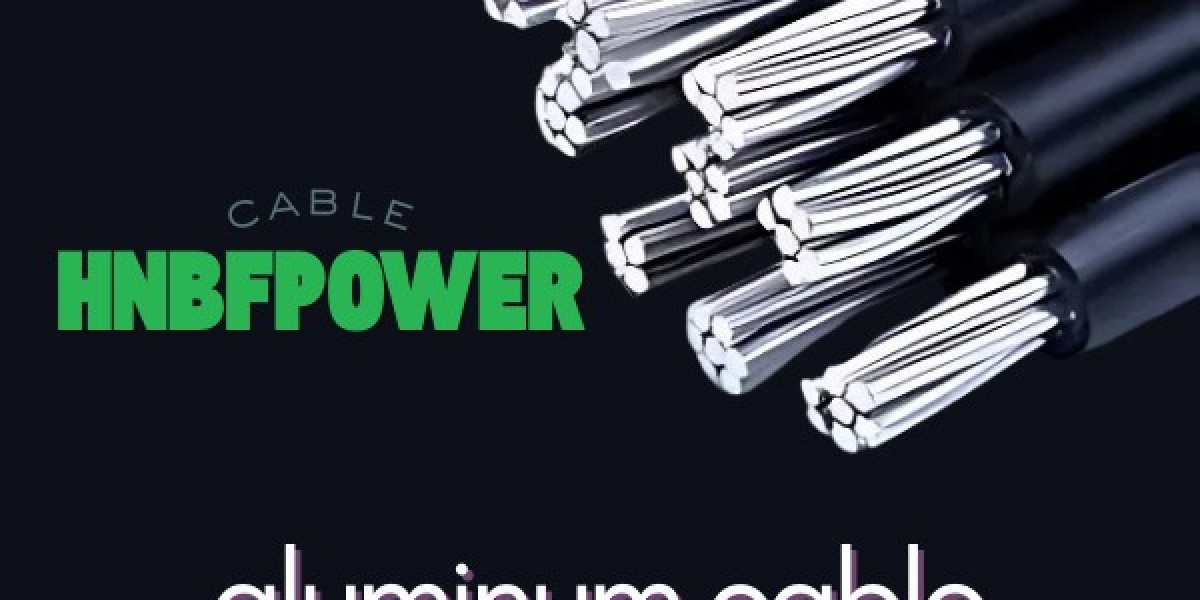
In today’s fast-growing transmission and distribution infrastructure, aluminum cable has become the backbone of modern power networks. Utilities, EPC contractors, and grid operators increasingly rely on aluminum conductors to balance mechanical strength, electrical performance, and total project cost. Compared with traditional copper solutions, aluminum cables offer a lighter structure, easier installation, and excellent long-distance transmission efficiency.
As a global manufacturer of overhead conductors and power cables, HNBF Power delivers a complete portfolio of aluminum cable solutions designed specifically for utility-scale transmission lines, urban distribution projects, and industrial power systems. This article explains what aluminum cable is, how it is used in real power networks, and how engineers and procurement teams can select the right solution for reliable and compliant grid construction.
What Is an Aluminum Cable in Power Transmission?
An aluminum cable refers to an electrical conductor made primarily from aluminum or aluminum alloy, used to transmit or distribute electrical energy. In utility and industrial applications, aluminum cables are typically supplied as:
AAC – All Aluminum Conductor
AAAC – All Aluminum Alloy Conductor
ACSR – Aluminum Conductor Steel Reinforced
ABC – Aerial Bundled Cable for low-voltage and distribution networks
LV aluminum power cable and concentric cable for secondary distribution
These products are widely used in overhead transmission lines, substations, and low-voltage distribution networks where weight reduction and mechanical reliability are critical.
Why Aluminum Cable Is Preferred by Utilities and EPC Contractors
Lightweight Structure and Easier Installation
One of the key advantages of aluminum cable is its low density. Compared with copper conductors, aluminum cables significantly reduce the overall line weight. This allows:
Longer span lengths
Lower tower and pole loading
Easier stringing and faster construction schedules
For large-scale grid projects, this directly translates into lower installation and civil engineering costs.
Excellent Electrical Performance for Long Distances
Modern aluminum conductors are engineered to deliver stable conductivity for long-distance power transmission. In high-voltage and medium-voltage networks, aluminum cable provides:
Consistent current carrying capacity
Low transmission losses when correctly sized
Reliable thermal performance under heavy load conditions
Main Types of Aluminum Cable Used in Power Networks
AAC – All Aluminum Conductor
AAC aluminum cable is mainly applied in urban distribution lines and short-span overhead networks. It offers high conductivity and excellent corrosion resistance, making it suitable for coastal and industrial environments.
AAAC – All Aluminum Alloy Conductor
AAAC aluminum cable uses aluminum-magnesium-silicon alloy to improve mechanical strength. It is ideal for medium and long spans where higher tensile strength and reduced sag are required.
ACSR – Aluminum Conductor Steel Reinforced
ACSR aluminum cable combines aluminum strands with a galvanized steel core. This structure delivers superior mechanical strength, making it the most widely used conductor for:
Long-span transmission lines
High-load overhead power networks
Harsh environmental conditions
ABC – Aerial Bundled Aluminum Cable
ABC aluminum cable is designed for low-voltage distribution systems, particularly in dense urban or rural areas. It improves network safety, minimizes power theft, and reduces outage risks caused by vegetation and weather.
Engineering Considerations When Selecting Aluminum Cable
Mechanical Load and Span Design
Engineers must evaluate tensile strength, wind loading, ice loading, and sag-tension behavior. For long spans and high mechanical stress, ACSR or high-strength AAAC aluminum cable is usually recommended.
Electrical Capacity and Network Design
Proper conductor sizing based on current demand, operating temperature, and short-circuit performance is essential. Aluminum cable must meet the required ampacity while maintaining acceptable voltage drop across the network.
Environmental and Corrosion Conditions
In coastal, chemical, or high-humidity regions, aluminum alloy conductors and optimized surface treatments improve long-term reliability and reduce maintenance requirements.
Manufacturing Standards and Quality Requirements
For utility-grade aluminum cable, strict compliance with international standards is mandatory. HNBF Power manufactures aluminum conductors in accordance with major global standards such as:
IEC standards for overhead line conductors
ASTM and BS specifications for aluminum and alloy conductors
Utility and project-specific technical requirements
Each aluminum cable is subjected to comprehensive testing, including:
Electrical resistance testing
Tensile strength and elongation tests
Dimensional and stranding verification
Surface and visual inspection
This ensures consistent quality for power transmission and distribution projects worldwide.
Aluminum Cable Applications in Modern Power Infrastructure
Aluminum cable is widely applied across multiple power sectors:
High-voltage and extra-high-voltage overhead transmission lines
Medium-voltage distribution networks
Urban and rural electrification projects
Industrial power systems and substations
Renewable energy grid connections and evacuation lines
Its versatility makes aluminum cable a preferred solution for both new grid construction and network upgrading projects.
Why Choose HNBF Power for Aluminum Cable Supply?
HNBF Power is a professional global manufacturer of overhead conductors and power cables, offering a full range of aluminum cable products including AAC, AAAC, ACSR, ABC, LV power cable, and concentric cable.
By working with HNBF Power, utilities and EPC contractors benefit from:
Custom conductor design based on project specifications
Stable large-scale production capacity
Strict quality control and full traceability
Flexible packaging and logistics support for international projects
HNBF Power focuses on delivering technically reliable and commercially competitive aluminum cable solutions that support long-term grid performance and project success.
FAQs About Aluminum Cable
1. Is aluminum cable suitable for high-voltage transmission lines?
Yes. Aluminum cable, especially ACSR and AAAC conductors, is widely used in high-voltage and extra-high-voltage overhead transmission systems due to its strength-to-weight ratio and stable electrical performance.
2. What is the main difference between AAC and AAAC aluminum cable?
AAC uses pure aluminum strands and provides higher conductivity, while AAAC uses aluminum alloy, offering higher tensile strength and better mechanical performance for longer spans.
3. How long does aluminum cable typically last in outdoor environments?
With proper design and compliance with standards, aluminum cable can operate reliably for several decades, even in harsh environmental conditions.
4. Can aluminum cable be customized for utility project requirements?
Yes. Aluminum cable can be customized in conductor size, stranding structure, alloy composition, and packaging to meet specific utility and EPC project specifications.
Power Your Next Project with HNBF Power
Selecting the right aluminum cable is essential for building safe, efficient, and long-lasting transmission and distribution networks. Whether your project requires AAC, AAAC, ACSR, ABC, or customized aluminum power cable solutions, HNBF Power provides reliable engineering support and high-quality manufacturing for global utility and EPC customers.
Contact HNBF Power today to discuss your project requirements and receive customized aluminum cable solutions designed for your power network.