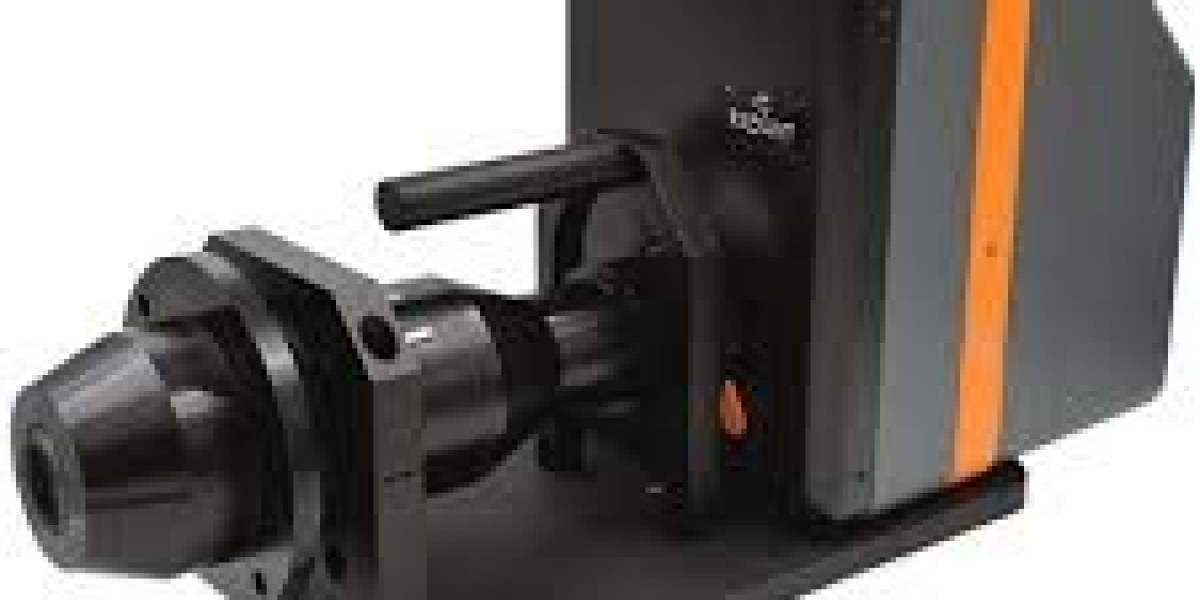
In optical testing and display measurement, one common problem is inaccurate angle detection. Standard lenses cannot properly capture light from multiple viewing angles, which leads to incorrect analysis of brightness, contrast, and uniformity. This becomes a serious issue in AR/VR displays, LCD panels, and optical inspection systems.
A conoscope lens is specially designed to solve this problem. It captures light distribution across different angles and provides precise angular measurement for accurate optical evaluation.
Why Normal Lenses Fail in Angular Optical Measurement
Regular lenses are designed to focus light from a straight path. They are not built to analyze how light behaves at different angles. When used for display testing or optical measurement, they cause:
Incomplete angular data
Poor measurement accuracy
Limited field of view for analysis
Incorrect brightness and contrast readings
This makes them unsuitable for advanced optical detection tasks.
What Is a Conoscope Lens and How Does It Work?
A conoscope lens is an optical detection lens used to measure the angular distribution of light. Instead of focusing only on forward light, it captures light from multiple directions and projects it onto a sensor for analysis.
Key Working Principles
Wide Angular Capture
It collects light from a broad range of viewing angles simultaneously.
Precise Light Mapping
Maps how brightness and color change with angle.
High Optical Accuracy
Maintains clarity and precision for reliable measurement results.
Compatibility with Sensors and Cameras
Works with imaging systems for detailed optical analysis.
How Conoscope Lens Improves Optical Testing Accuracy
Accurate Viewing Angle Measurement
Essential for testing displays like AR, VR, LCD, and OLED panels.
Better Brightness and Contrast Analysis
Captures how light intensity varies at different angles.
Reliable Uniformity Testing
Ensures display or optical system provides consistent performance.
Advanced Optical Inspection
Used in research labs and manufacturing quality control.
Applications Where Conoscope Lens Is Essential
The conoscope lens is widely used in:
AR/VR display testing
LCD and OLED panel inspection
Optical laboratory research
Quality control in display manufacturing
Light distribution analysis systems
Scientific optical measurement devices
These applications require precise angular data that standard lenses cannot provide.
Conoscope Lens vs Standard Optical Lens
| Feature | Conoscope Lens | Standard Lens |
|---|---|---|
| Angular Light Capture | Wide range | Narrow, forward only |
| Measurement Accuracy | High | Limited |
| Display Testing Capability | Excellent | Poor |
| Light Distribution Mapping | Detailed | Not possible |
| Optical Inspection Use | Advanced | Basic |
Why Manufacturers and Labs Prefer Conoscope Lenses
Display manufacturers and optical labs rely on accurate data to ensure product quality. Conoscope lenses provide:
Reliable angular measurement
Consistent testing results
Compatibility with advanced imaging systems
Essential support for R&D and quality control
This makes them a standard tool in display and optical testing environments.
Future Importance of Conoscope Lens in Display Technology
As AR/VR, micro displays, and advanced panels grow more complex, the need for precise angular measurement increases. Conoscope lenses will play a bigger role in testing next-generation display technologies.
Improved lens design and sensor integration will further enhance measurement capabilities.
Conclusion
Inaccurate angle detection can lead to poor optical testing and unreliable display performance data. A conoscope lens solves this by capturing light from multiple angles and providing precise measurement.
For display testing, optical research, and quality inspection, using a conoscope lens is essential for accurate and reliable results.