The UAE has consistently invested in advanced security technologies to protect its critical infrastructure, commercial centers, and public spaces. As the country continues to grow as a global hub for aviation, logistics, tourism, and trade, the need to manage vehicle entry points securely and efficiently has become increasingly important. Smart surveillance is now at the center of this transformation, helping organizations enhance vehicle entry control while maintaining smooth operations across high-traffic environments.
The Growing Challenge of Vehicle Access Management
Vehicle access points represent a unique security challenge. Unlike pedestrian entry, vehicles vary in size, design, and purpose, making consistent screening more complex. In the UAE, airports, ports, industrial zones, and government facilities handle a constant flow of service vehicles, logistics trucks, and private transport.
Traditional access control methods often rely on manual checks and basic surveillance, which can struggle to keep pace with increasing traffic volumes. These limitations have led organizations to adopt smarter surveillance approaches that improve oversight without slowing down daily operations.
What Makes Surveillance “Smart”
Smart surveillance goes beyond simple video monitoring. It combines high-quality imaging, real-time analysis, and centralized management to provide security teams with clearer insights and faster response capabilities. Instead of passively recording activity, smart systems actively support decision-making by highlighting relevant visual information.
In vehicle entry control, smart surveillance helps security personnel focus on assessing risk rather than searching for it. This shift significantly improves both efficiency and consistency at access points.
Enhancing Visibility at Vehicle Entry Points
One of the primary advantages of smart surveillance is improved visibility. Vehicle entry points often involve complex layouts, varying lighting conditions, and blind spots that can make monitoring difficult.
Smart surveillance systems are designed to address these challenges by providing comprehensive visual coverage. Enhanced imaging and optimized placement allow security teams to monitor vehicle movement more effectively, reducing the likelihood of overlooked areas during entry checks.
Supporting Efficient Traffic Flow
Efficiency is a key concern in the UAE’s high-volume facilities. Delays at entry points can disrupt logistics, affect service delivery, and reduce overall productivity. Smart surveillance strengthens vehicle entry control by enabling faster, more informed screening decisions.
By providing real-time visual data, security teams can assess vehicles quickly and confidently. This reduces the need for repeated checks and helps maintain a steady flow of traffic, even during peak hours.
Reducing Dependence on Manual Observation
Manual observation is an essential part of security operations, but it can be affected by fatigue, distractions, and environmental conditions. Smart surveillance reduces overreliance on manual observation by providing consistent visual support throughout the inspection process.
This does not eliminate the role of security personnel; instead, it enhances their effectiveness. With clearer information readily available, teams can focus on evaluation and response rather than continuous visual scanning.
Standardizing Security Across Multiple Sites
Many organizations in the UAE operate multiple facilities, each with its own entry points and operational challenges. Smart surveillance helps standardize vehicle entry control by applying uniform monitoring practices across locations.
Standardization simplifies training, improves compliance with security policies, and ensures that all sites maintain the same level of protection. This consistency is especially valuable for large enterprises and government organizations managing distributed infrastructure.
Integration With Broader Security Systems
Modern security strategies in the UAE emphasize integration. Smart surveillance systems are often connected with access control platforms, command centers, and other monitoring tools to provide a unified security view.
When vehicle entry surveillance is integrated with broader systems, security teams gain improved situational awareness. Information can be reviewed, shared, and acted upon more efficiently, supporting coordinated responses to potential risks.
Supporting Advanced Vehicle Screening Strategies
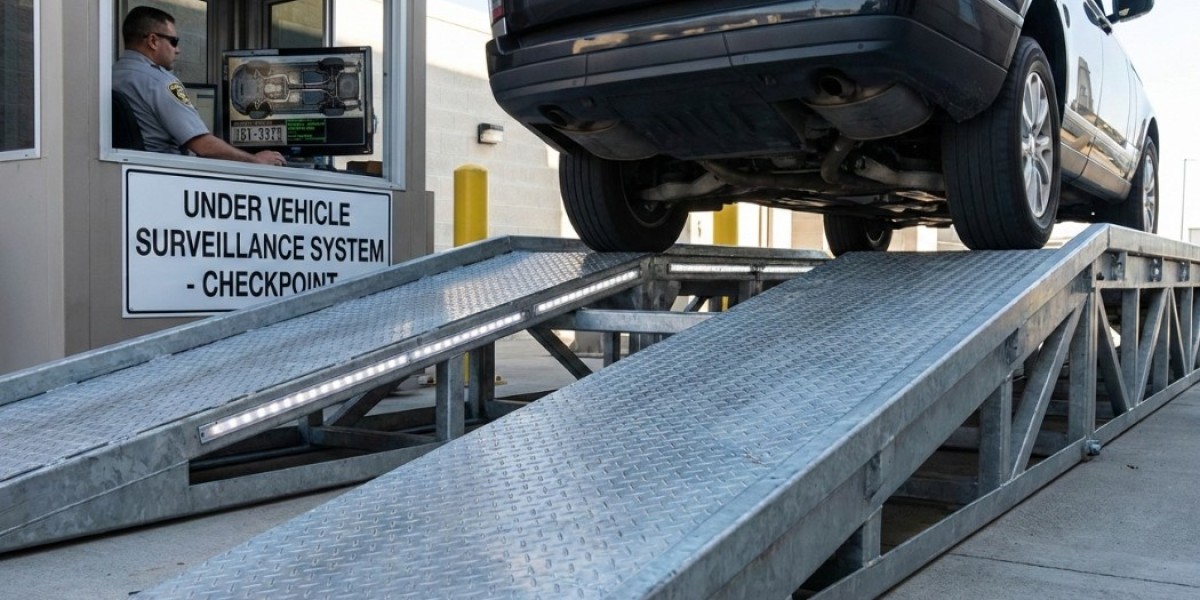
Smart surveillance also supports advanced vehicle screening strategies by providing detailed visual context during inspections. In some environments, solutions such as a UVIS system are used as part of a layered security approach to strengthen vehicle entry control.
These technologies contribute to improved awareness of vehicle conditions during entry, helping teams reduce blind spots while maintaining operational efficiency. The focus remains on smarter decision-making rather than increased manual effort.
Data, Records, and Accountability
Another key benefit of smart surveillance is the ability to generate digital records of vehicle entry activity. Recorded visual data supports audits, investigations, and performance reviews, particularly in regulated sectors such as aviation and logistics.
Over time, these records can help organizations identify patterns, optimize staffing, and refine entry procedures. Data-driven insights contribute to continuous improvement in vehicle security management.
Alignment With the UAE’s Smart Infrastructure Vision
The UAE’s emphasis on smart cities and digital transformation extends to security operations. Smart surveillance aligns with this vision by offering scalable, intelligent solutions that support future growth.
As infrastructure becomes more complex and interconnected, vehicle entry control must evolve accordingly. Smart surveillance provides the flexibility needed to adapt to new challenges and technologies over time.
Preparing for Future Security Requirements
Vehicle security requirements will continue to evolve as traffic volumes increase and facilities expand. Smart surveillance offers a future-ready foundation that can integrate new capabilities and support changing operational needs.
By strengthening vehicle entry control today, organizations in the UAE are better positioned to manage emerging risks and maintain secure, efficient operations in the years ahead.
Conclusion
Smart surveillance is strengthening vehicle entry control in the UAE by improving visibility, reducing reliance on manual observation, and supporting efficient traffic flow. Through integration, standardization, and data-driven insights, these technologies help organizations protect critical facilities without compromising operational performance. As the UAE continues to advance its smart infrastructure initiatives, smart surveillance will remain a key pillar of effective vehicle security strategies.