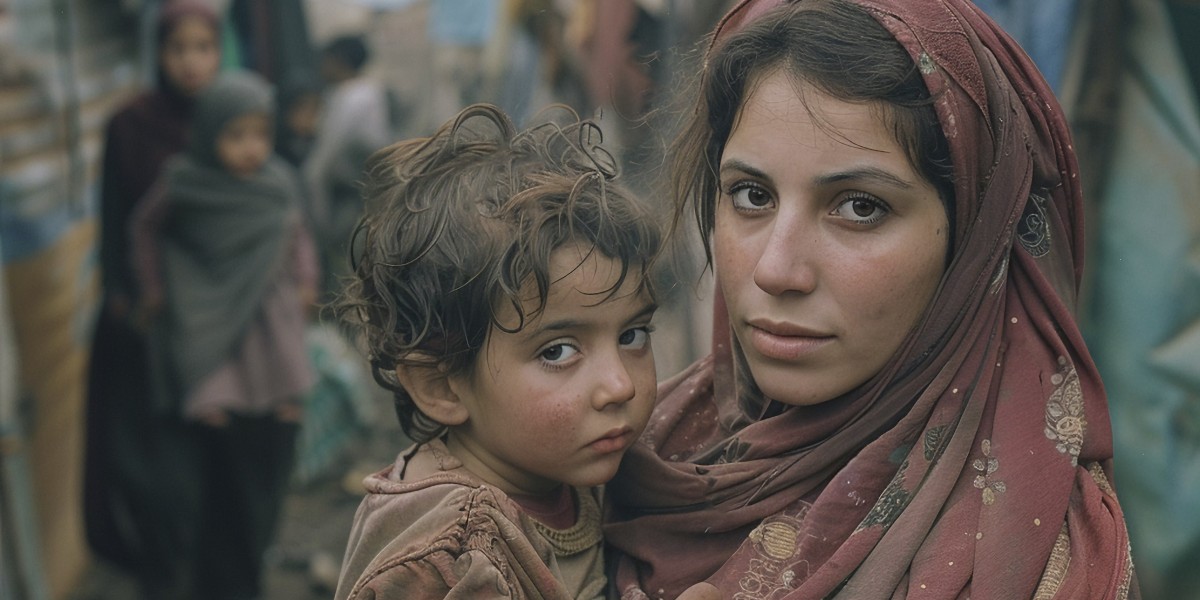
In early 2026 the humanitarian situation in Gaza remains a challenge of profound resilience. Following the stabilization efforts of late 2025 the reality for thousands of families is still defined by the ruins of their former lives.
Behind the headlines is the quiet experience of parents seeking safety for their children amidst flooding and freezing winter temperatures. For these children the concept of home has been replaced by the necessity of survival where basic needs like safety and clean water must be secured every single day.
The Role of Zakat in Crisis Response
For the global community, giving is often rooted in the principle of Zakat which serves as a vital social finance mechanism. In Palestine Zakat is a crucial tool for survival that moves beyond simple relief to restore dignity to those who have lost their livelihoods.
When handled with Zakat funds reach the most Mustahique or eligible families ensuring that the most vulnerable such as widows and orphans are not overlooked. This ethical framework allows for a focused redistribution of wealth that targets the root of poverty.
Strategic Intervention and Addressing Critical Needs
Humanitarian efforts are focused on three pillars to stabilize the health of displaced children facing environmental risks. Clean water remains the most urgent priority as dehydration and disease threaten lives in overcrowded shelters. Strategic relief involves the mobilization of Wonder Water to bypass damaged pipelines and deliver potable water directly to families. Alongside this nutritional stability is essential for recovery as a child’s body cannot heal while under the strain of chronic hunger.
By providing hot nutrient dense meals relief teams ensure children have the physical resilience needed to endure displacement. Finally Happy Health brings essential medical supplies and first aid to children who have been injured or fallen ill offering accessible healthcare in zones where hospitals are overwhelmed.
The Mechanics of Ethical Aid and the 100 Percent Model
A significant discussion in the humanitarian sector revolves around the efficiency of aid delivery in high stakes environments. The 100 % donate to Palestine policy is a model designed to ensure that the entirety of a contribution is utilized exclusively for project delivery. By utilizing separate funding streams for operational costs the aid remains all in meaning every pound contributed for a meal or water is spent exactly where intended.
This level of transparency is essential for maintaining trust and ensures that organizations are held to the highest standard of accountability.
Sustaining the Future Through Community Support
The situation in Palestine is a generation defining challenge that requires a commitment long after the initial emergency fades. Effective aid involves working with local partners who understand cultural nuances ensuring relief reaches those in the deepest need.
While the challenges in 2026 are immense the impact of coordinated ethical relief is tangible moving a community from survival toward the possibility of a future. By focusing on direct delivery and a holistic approach to well being the community can provide security and a reason for a child to smile again.
Final Thought
The measure of humanity is found in the response to the vulnerable during their darkest hours. In Palestine, where children grow up amidst the ruins, a commitment to direct aid represents an investment in restoring a stolen childhood. By ensuring that every gift reaches its intended destination, hope is preserved and the possibility of a safer tomorrow becomes real.