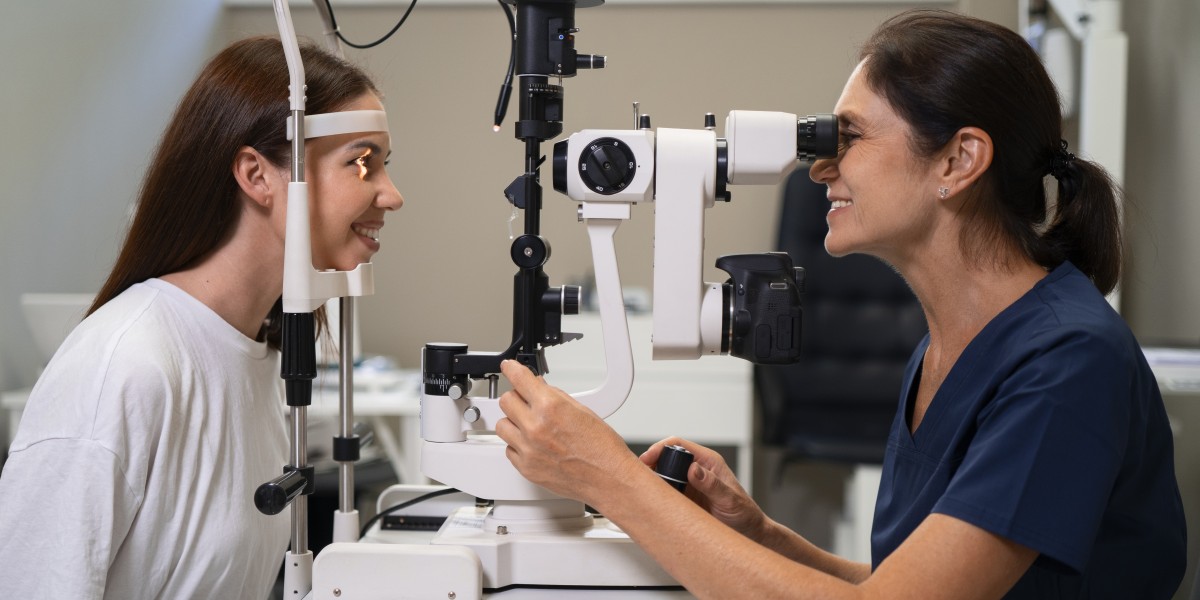
Refraction is one of the most fundamental procedures in eye care. It determines the corrective prescription that directly impacts how clearly a patient sees the world. Traditionally, refraction relied heavily on manual adjustments and subjective responses, often requiring multiple steps to reach a final prescription. While effective, this approach could be time-consuming and occasionally inconsistent.
Today, smart diagnostic technologies are transforming this process. By integrating precision measurement tools and digital systems, clinics are streamlining refraction workflows, reducing variability, and enhancing overall efficiency. The result is a more organized, accurate, and patient-friendly examination experience.
The Challenges of Traditional Refraction Methods
Manual refraction methods depend significantly on patient feedback. Questions like “Which is clearer, one or two?” require concentration and subjective interpretation. Patients may feel uncertain, fatigued, or confused, which can influence their responses.
Additionally, practitioners often need to make repeated adjustments to confirm results. This iterative process, though essential, may extend chair time and create workflow bottlenecks in busy clinics.
Without standardized starting measurements, clinicians may spend valuable time refining values that could have been identified more efficiently through objective means.
Establishing a Strong Diagnostic Foundation
Smart diagnostics simplify refraction by providing reliable baseline data before subjective testing begins. With accurate initial measurements, clinicians can move directly to refinement instead of starting from approximation.
An auto refractometer serves as a dependable first step in the workflow by delivering objective refractive values that guide the remainder of the exam. When practitioners begin with precise data, they can narrow the range of adjustments and reach accurate prescriptions more quickly.
This structured approach reduces unnecessary repetition and enhances overall efficiency.
Reducing Chair Time Without Compromising Accuracy
Time management is crucial in modern eye care practices. Long consultation times may reduce daily patient capacity and increase waiting periods. Smart diagnostic systems help shorten examination duration by minimizing redundant steps.
When baseline measurements are accurate, fewer lens changes are required during subjective refinement. Clinicians can focus on confirming and fine-tuning rather than searching for starting values.
Shorter appointments not only improve clinic productivity but also enhance patient comfort and satisfaction.
Enhancing Workflow Standardization
Consistency across examinations is essential for maintaining high-quality care. Smart diagnostic systems introduce standardized measurement procedures that reduce operator-dependent variability.
Standardization ensures that results remain consistent regardless of who performs the test. This is particularly beneficial in larger practices where multiple clinicians share responsibilities.
By aligning measurement methods across the clinic, smart diagnostics create a cohesive workflow that supports reliable outcomes and smoother operations.
Improving Data Integration and Documentation
Digital diagnostic systems simplify data recording and storage. Instead of relying on manual entries, measurements can be directly integrated into electronic health records. This reduces the risk of transcription errors and enhances documentation accuracy.
Integrated systems also allow easy comparison of current and previous results. Clinicians can track refractive changes over time and adjust treatment plans accordingly.
Streamlined documentation supports efficient follow-up visits and strengthens long-term patient management strategies.
Supporting Better Clinical Decision-Making
Accurate and consistent data enable confident clinical decisions. When practitioners trust their baseline measurements, they can focus more on evaluating visual comfort, binocular balance, and patient-specific needs.
Smart diagnostics reduce uncertainty by eliminating guesswork at the beginning of the exam. This clarity allows clinicians to finalize prescriptions more decisively and explain their findings with confidence.
Improved decision-making ultimately leads to more reliable visual outcomes.
Enhancing Patient Experience
Modern patients value efficiency and transparency in healthcare. Smart diagnostic workflows reduce repetitive questioning and lengthy testing phases, creating a smoother and more comfortable experience.
Patients are also reassured when they see advanced technology being used in their assessment. The perception of precision and professionalism enhances trust in the clinic’s services.
A streamlined refraction process reflects a clinic’s commitment to innovation and high standards of care.
Reducing Practitioner Fatigue
Manual refraction procedures can be physically and mentally demanding. Repetitive adjustments and extended concentration may contribute to fatigue, particularly in busy clinical settings.
Smart diagnostic tools automate key measurement steps, reducing repetitive strain and allowing practitioners to focus on interpretation and patient interaction. Less fatigue contributes to consistent performance throughout the day.
Sustainable workflows benefit both clinicians and patients by maintaining accuracy and attentiveness.
Aligning with Modern Healthcare Expectations
Healthcare today emphasizes measurable outcomes, standardized processes, and efficiency. Smart diagnostics align with these expectations by delivering objective data that supports evidence-based practice.
Clinics that adopt advanced measurement systems demonstrate leadership and commitment to continuous improvement. Simplified refraction workflows not only enhance productivity but also strengthen the clinic’s professional reputation.
Innovation in diagnostics ensures that practices remain competitive and patient-focused.
Conclusion: Smarter Systems, Simpler Workflows
Smart diagnostics are reshaping refraction workflows by providing reliable baseline data, reducing variability, and streamlining examination procedures. By minimizing manual repetition and enhancing data integration, these systems simplify daily operations without compromising precision.
The future of eye care lies in balancing technology with clinical expertise. When smart diagnostic tools support skilled practitioners, refraction becomes more efficient, consistent, and patient-centered.
Simplified workflows do not mean reduced quality—they mean smarter processes that deliver accurate results with confidence and clarity.