Musty carpet odor is one of the most common and frustrating issues for homeowners living in humid climates. You vacuum regularly, keep your home tidy, and maybe even use air fresheners yet that damp, stale smell keeps coming back. In regions where humidity levels remain high for most of the year, carpets absorb moisture from the air, creating the perfect breeding ground for odor-causing microorganisms.
That’s where carpet deodorising services play a critical role. These professional treatments go far beyond surface cleaning. They are designed to target deep-seated moisture, bacteria, and mold spores that thrive in damp conditions. In this comprehensive guide, we’ll explore why musty odors develop in humid environments, how professionals eliminate them effectively, and what makes expert deodorising the most reliable long-term solution.
Why Humid Climates Create Persistent Carpet Odors
Humidity is more than just uncomfortable; it directly affects indoor surfaces, especially carpets. When indoor humidity levels rise above 60%, carpet fibers begin absorbing airborne moisture. Over time, this leads to several problems:
Mold and mildew growth
Bacterial buildup within fibers
Dust mite infestation
Damp carpet smell
Reduced indoor air quality
Carpet padding (underlay) is particularly vulnerable. Even if the carpet surface feels dry, moisture can remain trapped underneath. In humid coastal or tropical regions, this hidden dampness can persist for weeks, allowing microorganisms to multiply undisturbed.
Unlike hard flooring, carpets are porous and layered. This structure makes them comfortable but also makes them susceptible to moisture retention and odor formation.
The Science Behind Musty Carpet Smells
Musty odors are typically caused by microbial volatile organic compounds (MVOCs). These compounds are released when mold, mildew, and bacteria break down organic materials such as:
Skin cells
Food particles
Dust
Pet dander
Natural carpet fibers
When moisture is present, microbial activity increases dramatically. The gases produced by these microbes create the familiar “damp basement” smell many homeowners recognize.
Masking the odor does not solve the issue because the source remains active beneath the surface. Effective odor elimination requires neutralizing these compounds at a molecular level.
Why DIY Methods Often Fail in Humid Conditions
Many homeowners attempt to fix the issue using:
Baking soda treatments
Store-bought carpet deodorizers
Scented sprays
Steam cleaners rented from local stores
While these solutions may provide temporary freshness, they rarely address deep moisture in the padding. In fact, improper steam cleaning can worsen the problem by adding additional water without adequate drying.
The result? The odor disappears briefly then returns within days.
Professional odor removal focuses on extraction, antimicrobial treatment, and controlled drying, rather than simple fragrance application.
How Professionals Eliminate Musty Odors in Humid Climates
Expert carpet technicians follow a structured, science-based process specifically designed for high-humidity environments.
1. Comprehensive Moisture Inspection
The first step is identifying the source of moisture. Professionals use:
Moisture meters
Thermal imaging tools
Hygrometers to measure indoor humidity
Odor detection assessment
This evaluation helps determine whether the issue is caused by spills, high ambient humidity, water damage, or poor ventilation.
Without this step, treatment may only address symptoms rather than the root cause.
2. Deep Extraction Cleaning
Before deodorising begins, technicians remove contaminants embedded within carpet fibers and padding.
Common professional methods include:
Hot Water Extraction
Often referred to as steam cleaning, this method uses high-pressure hot water combined with powerful suction to remove dirt, bacteria, and allergens.
Low-Moisture Cleaning
In extremely humid climates, low-moisture techniques are preferred to avoid over-saturation.
Deep extraction removes:
Organic debris
Dust mites
Mold spores
Pet-related residues
Trapped soil particles
This step is essential because deodorising cannot be effective if contaminants remain inside the carpet structure.
3. Targeted Antimicrobial Treatment
After cleaning, professionals apply antimicrobial and antifungal solutions. These treatments:
Kill odor-causing bacteria
Inhibit mold regrowth
Sanitize carpet fibers
Improve indoor air quality
Unlike household sprays, professional-grade solutions penetrate deeply without leaving harmful residues. Many modern products are eco-friendly and safe for children and pets.
4. Molecular Odor Neutralization
True deodorising involves chemistry—not perfume.
Professional neutralizers work by:
Binding to odor molecules
Breaking down volatile compounds
Neutralizing rather than masking smells
This ensures the musty odor does not simply return once fragrances fade.
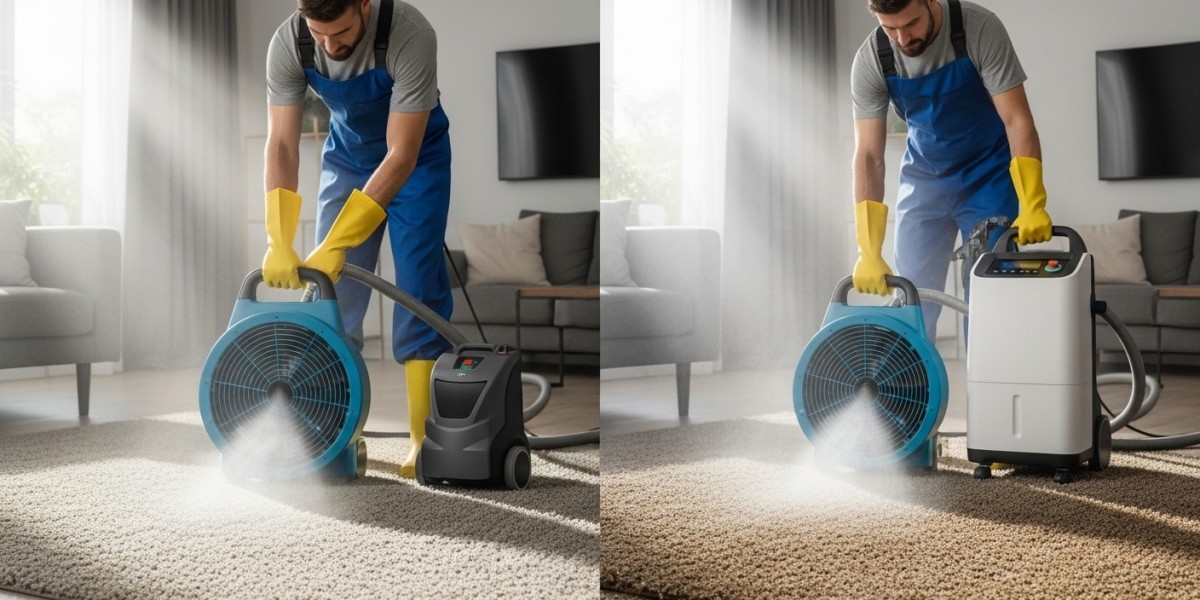
5. Controlled Industrial Drying
Drying is the most critical stage in humid climates.
Technicians use:
High-speed air movers
Commercial-grade dehumidifiers
Ventilation control systems
Rapid drying prevents residual moisture from triggering new microbial growth. In many cases, carpets are dry within hours rather than days.
Advanced Techniques for Severe Odor Cases
In areas with extreme humidity or long-term neglect, additional measures may be necessary:
Enzyme Treatments
These break down organic material such as pet urine and biological residue.
Encapsulation Technology
Polymers trap soil and odor particles, forming crystals that are easily vacuumed away.
Ozone Treatment
Used in severe mold odor situations, ozone can neutralize strong smells at a molecular level.
Carpet Padding Replacement
If the underlay is saturated or mold-infested, replacement may be recommended for complete odor removal.
Health Implications of Ignoring Musty Carpets
Persistent damp carpets are not just unpleasant, they can affect your health.
Common symptoms linked to mold exposure include:
Sneezing and nasal congestion
Eye irritation
Asthma flare-ups
Skin irritation
Headaches
In humid climates, maintaining clean and dry carpets contributes significantly to healthier indoor air quality.
How Often Should Carpets Be Professionally Treated?
For homes in humid environments:
Every 6–12 months is ideal
Immediately after water leaks or flooding
After heavy monsoon or rainy seasons
When persistent odors appear
Preventive maintenance is far less expensive than replacing carpets damaged by mold or structural moisture.
Preventing Musty Odors Between Professional Visits
Homeowners can reduce risk by:
Keeping indoor humidity below 50–60%
Using a dehumidifier
Ensuring proper ventilation
Vacuuming regularly with HEPA filtration
Cleaning spills immediately
Avoiding over-wetting during DIY cleaning
These measures support professional treatments and extend freshness.
Choosing a Reliable Service Provider
Not all cleaning companies specialize in humid-climate odor issues. Look for:
Experience with moisture-related problems
Certified and trained technicians
Transparent cleaning processes
Modern drying equipment
Safe, eco-conscious products
A trustworthy provider should explain each step clearly and assess your home’s specific humidity conditions before beginning treatment.
Real-World Scenario: A Coastal Home Example
Consider a homeowner living in a coastal region where humidity remains above 70% most of the year. Despite frequent vacuuming, carpets begin to smell damp especially during rainy months.
After professional treatment:
Moisture levels are measured and reduced.
Deep extraction removes embedded contaminants.
Antimicrobial agents eliminate bacteria and mold spores.
Industrial drying prevents moisture retention.
The result is not just temporary freshness but a healthier and longer-lasting carpet environment.
Conclusion
Musty carpet odors are more than just an unpleasant nuisance; they are a clear warning sign of trapped moisture, hidden contamination, and ongoing microbial growth beneath the surface. In humid climates, these conditions rarely improve on their own, and many homeowners struggle to remove musty smell from carpet in humid weather using temporary fixes that only mask the issue. Sprays and fragrances may offer short-lived relief, but without addressing moisture levels and bacteria at the source, the odor will inevitably return.
Professional treatment focuses on solving the problem from the inside out through deep extraction cleaning, targeted antimicrobial application, advanced odor neutralization, and controlled drying. Taking timely action not only restores lasting freshness but also protects your indoor air quality, safeguards your family’s health, and extends the lifespan of your carpets. If you notice recurring damp smells, worsening allergies, or persistent odors after routine cleaning, seeking expert help early can prevent structural damage and expensive replacements. Fresh, dry carpets are not just about comfort they are essential for maintaining a clean, healthy, and resilient home environment in humid conditions.
Frequently Asked Questions (FAQs)
1. What causes musty carpet odor in humid climates?
Excess moisture allows mold, mildew, and bacteria to grow within carpet fibers and padding.
2. Can high humidity alone cause carpet odor?
Yes. Even without spills, prolonged exposure to high humidity can create microbial growth.
3. Is steam cleaning enough to remove musty smells?
Steam cleaning helps, but without proper drying and antimicrobial treatment, odors may return.
4. How long does professional deodorising take?
Typically 1–3 hours depending on the carpet size and severity of the issue.
5. Are deodorising treatments safe for children and pets?
Most reputable companies use non-toxic, eco-friendly solutions.
6. How can I tell if mold is under my carpet?
Persistent damp smell, allergy symptoms, or discoloration may indicate hidden mold growth.
7. Will the odor return after treatment?
If moisture control is maintained, professional treatment provides long-lasting results.
8. Should carpet padding be replaced if it smells?
If heavily saturated or mold-infested, replacing the underlay may be necessary.
9. How often should carpets be cleaned in humid regions?
Every 6–12 months is recommended for prevention.
10. Does deodorising improve indoor air quality?
Yes. Removing microbial contaminants significantly enhances air freshness and reduces allergens.