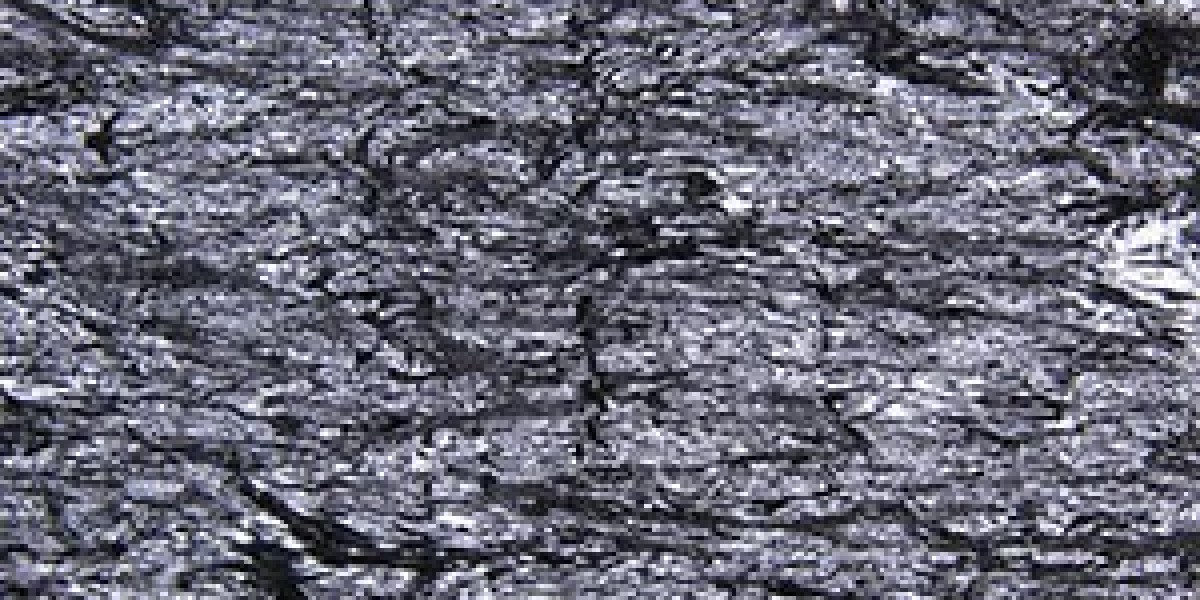
Graphite density is one of the most important physical properties of graphite. It determines how compact the material is and directly affects strength, conductivity, and durability. Graphite is a crystalline form of carbon with a layered structure that gives it unique thermal and electrical properties. However, not all graphite has the same density. The value depends on its type, purity, and manufacturing process.
What Is Graphite Density?
Graphite density refers to the mass per unit volume of graphite, usually measured in grams per cubic centimeter (g/cm³). The theoretical density of pure graphite is about 2.26 g/cm³. This value represents perfectly structured graphite without pores. In real applications, graphite density is often lower because of internal porosity and production techniques.
Natural graphite generally has a density between 2.09 and 2.23 g/cm³. Synthetic graphite usually ranges from 1.65 to 1.90 g/cm³. Industrial graphite blocks and molded parts may have densities from 1.55 to 1.85 g/cm³ depending on processing conditions.
Factors Affecting Graphite Density
Several factors influence graphite density. The quality of raw materials plays a major role. Higher carbon purity often leads to better structural alignment and higher density. The manufacturing process is also critical. In synthetic graphite production, materials are compressed and heat-treated at very high temperatures. Increased pressure and higher graphitization temperatures usually result in improved density.
Porosity is another important factor. Graphite naturally contains microscopic pores, and higher porosity reduces overall density. The type of binder used during production can also impact the final compactness of the material.
Importance of Graphite Density in Industry
Graphite density is crucial for industrial performance. Higher density graphite typically offers better mechanical strength and lower permeability. This makes it more resistant to chemical attack and high-temperature damage. Industries that require durable materials under extreme conditions prefer high-density graphite.
Lower density graphite can be easier to machine and lighter in weight, but it may not provide the same level of strength or resistance. Therefore, selecting the correct density is essential for safety and long-term reliability.
Applications Where Density Matters
Graphite density is especially important in lithium-ion batteries. Graphite is used as an anode material, and higher density allows more energy storage in a compact space. This improves battery capacity and efficiency.
In metallurgy and foundries, graphite crucibles and molds must withstand extreme temperatures. High-density graphite ensures structural stability and reduces cracking. Electrical applications such as graphite electrodes also depend on optimal density for better conductivity and mechanical support. In advanced industries like aerospace and nuclear energy, high-density graphite provides stability, durability, and long service life.
Bulk Density vs True Density
It is important to understand the difference between true density and bulk density. True density refers to the density of solid graphite without pores. Bulk density includes pores and air spaces within the material. In practical industrial use, bulk density is more relevant because it reflects real working conditions.
Conclusion
Graphite density is a key property that affects strength, conductivity, durability, and overall performance. Although the theoretical density of graphite is 2.26 g/cm³, actual values vary depending on type and production methods. Understanding graphite density helps industries select the right material for batteries, metallurgy, electronics, and other high-performance applications. Choosing the correct density ensures better efficiency, safety, and long-term results.