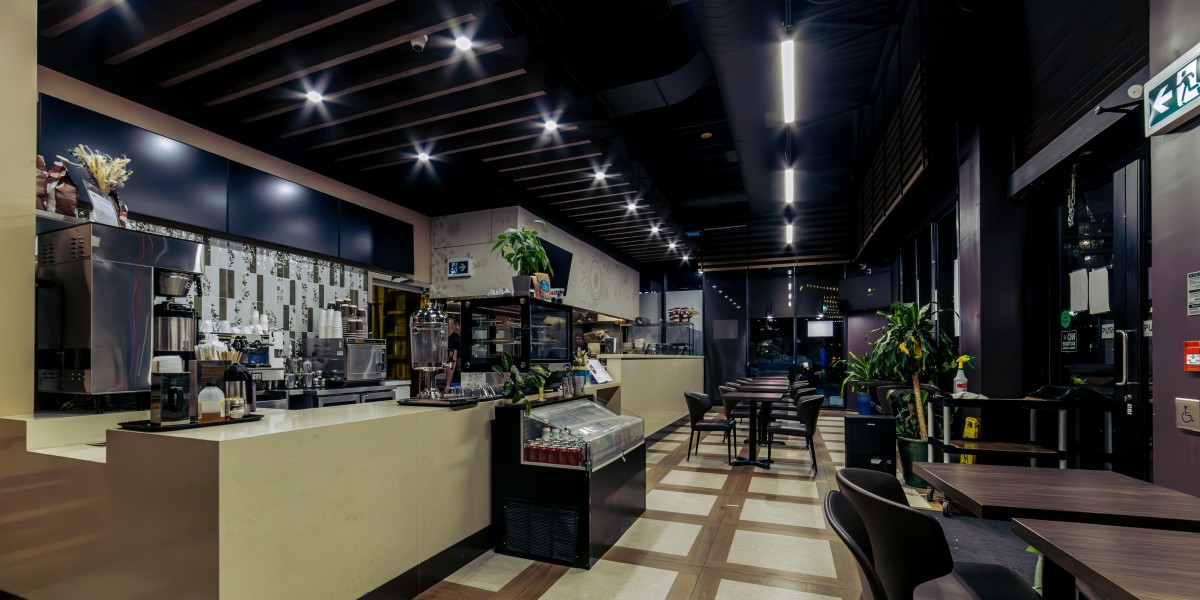
Restaurant interiors are no longer just about seating capacity and lighting. Today, design plays a powerful role in shaping customer experience, brand identity, and even how long guests choose to stay.
One of the most impactful design elements in hospitality spaces is custom millwork. From bar counters and banquettes to wall panels and ceiling features, millwork defines the character of a restaurant.
Choosing the right wood types and finishes for a millwork restaurant project is a critical decision.

Why Wood Selection Matters in Restaurant Millwork
Restaurants place unique demands on materials. Furniture and built-in elements must withstand constant use, spills, temperature changes, and frequent cleaning.
At the same time, they must align with the restaurant’s concept and brand personality.
Wood selection influences:
- The visual tone of the space
- How well surfaces age over time
- Resistance to wear, moisture, and impact
- Maintenance requirements
The right wood enhances warmth and authenticity, while the wrong choice can lead to premature wear or costly refinishing.
Solid Hardwood Options for Restaurant Millwork
Hardwoods are widely used in restaurant millwork projects because of their strength, longevity, and visual depth. Each species offers distinct grain patterns, tones, and performance characteristics.
Oak
Oak is one of the most popular choices for restaurant millwork due to its durability and versatility. It features a prominent grain that works well in both traditional and contemporary spaces.
Oak performs well in high-traffic areas such as bars and service counters. It accepts stains evenly, making it easy to achieve a wide range of finishes from light, natural tones to deep, rich colours.
Maple
Maple is known for its smooth, subtle grain and light colour. It is harder than oak, making it highly resistant to dents and wear.
In restaurants, maple is often used for clean, modern interiors where a refined and understated look is desired. Its tight grain makes it ideal for painted finishes or lighter stains.
Walnut
Walnut is prized for its deep, rich colour and elegant grain pattern. It instantly adds a sense of luxury and warmth to a space.
While walnut is softer than oak or maple, it is commonly used in feature millwork such as wall panels, bar fronts, and decorative elements where visual impact is more important than heavy wear resistance.
Ash
Ash has a similar grain to oak but with a lighter, more contemporary appearance. It is strong, flexible, and stains well.
Ash works beautifully in modern or Scandinavian-inspired restaurant designs where natural textures and lighter tones are preferred.
Engineered Wood and Veneers in Restaurant Millwork
Solid wood is not always the most practical or cost-effective option for every application. Engineered wood products and veneers are commonly used in millwork restaurant design for their stability and consistency.
Plywood Core with Wood Veneer
Veneered plywood combines the look of real wood with enhanced structural stability. It resists warping and cracking better than solid wood, especially in environments with fluctuating humidity.
This makes veneered panels ideal for large wall features, cabinetry, and ceiling elements in restaurants.
MDF with Veneer or Paint Finish
Medium-density fibreboard is often used for painted millwork or veneered components that require smooth, uniform surfaces.
While MDF is not suitable for areas exposed to moisture or heavy impact, it performs well for decorative elements, trim, and wall features when properly sealed and finished.
Choosing the Right Finish for Restaurant Millwork
The finish applied to wood is just as important as the wood species itself. Finishes protect the surface, influence colour, and determine how easy the millwork is to maintain.
Natural and Clear Finishes
Clear finishes preserve the natural colour and grain of the wood. They are popular in restaurants aiming for an organic, authentic feel.
Clear finishes can range from matte to high gloss. Matte and satin finishes are often preferred in hospitality spaces because they hide fingerprints and minor scratches better than high-gloss surfaces.
Stained Finishes
Stains allow designers to control colour while still showcasing the wood’s grain. This flexibility makes staining a popular choice for millwork restaurant projects that need to align with specific branding or interior themes.
Darker stains add drama and intimacy, often used in upscale dining or cocktail lounges. Lighter stains create an airy, relaxed atmosphere suited to cafés and casual dining spaces.
Painted Finishes
Painted millwork offers a clean, modern look and allows for bold brand colours or subtle neutral tones. Painted finishes are commonly used on banquettes, wall panelling, and decorative trim.
High-quality commercial-grade paint systems are essential in restaurants to ensure durability and easy cleaning.
Protective Coatings for High-Traffic Areas
Restaurants require finishes that can withstand constant use. Protective topcoats play a critical role in extending the life of millwork.
Polyurethane Finishes
Polyurethane is one of the most durable finishes for restaurant millwork. It provides excellent resistance to scratches, moisture, and chemicals used in cleaning.
It is commonly used on bar tops, tabletops, and service counters where durability is essential.
Conversion Varnish
Conversion varnish offers superior hardness and chemical resistance, making it suitable for commercial environments. It is often used for high-end millwork where long-term performance is a priority.
This finish requires professional application but delivers excellent results in demanding settings.
Matching Wood and Finish to Restaurant Concept
Every restaurant has a story, and millwork plays a major role in telling it. Material choices should support the overall concept rather than compete with it.
For example:
- Rustic or farm-to-table restaurants often favour oak or ash with natural or lightly stained finishes.
- Modern or minimalist spaces may use maple or veneered panels with clean stains or painted finishes.
- Luxury dining venues often incorporate walnut with rich stains and refined protective coatings.
Consistency across millwork elements helps create a cohesive environment that feels intentional and well-designed.
Maintenance Considerations for Restaurant Millwork
Even the best materials require proper care. Choosing wood types and finishes that suit your operational needs can reduce long-term maintenance costs.
Lighter finishes may show stains more easily, while darker finishes can highlight dust and scratches. High-gloss finishes look striking but require frequent cleaning to maintain their appearance.
Understanding how your restaurant operates helps determine which finishes will perform best under daily conditions.
Final Thoughts
Wood types and finishes define the look, feel, and longevity of restaurant millwork.
From the warmth of solid hardwoods to the stability of engineered panels and the protection of commercial-grade finishes, every choice contributes to the overall success of a restaurant interior.
Selecting the right combination requires an understanding of design intent, operational demands, and long-term maintenance. When done correctly, millwork becomes more than décor. It becomes part of the dining experience itself.
For restaurants seeking expertly crafted millwork that balances design, durability, and craftsmanship, Curated 27 delivers custom millwork solutions tailored to hospitality spaces.
With a deep understanding of materials, finishes, and restaurant environments, they help bring millwork restaurant concepts to life with precision and lasting quality.
If you’re planning a new build or renovation, partnering with Curated 27 ensures your millwork stands out and performs for years to come. Visit us today!
Source From : Different Wood Types and Finishes for Restaurant Millwork