The medical world is constantly evolving, and one technology quietly transforming healthcare is electrospinning. From repairing damaged tissues to delivering life-saving drugs with precision, the applications of electrospinning are redefining what is possible in modern medicine. At Matregenix, we closely follow these innovations, as electrospinning continues to bridge material science with advanced biomedical solutions.
Understanding Electrospinning in Medicine
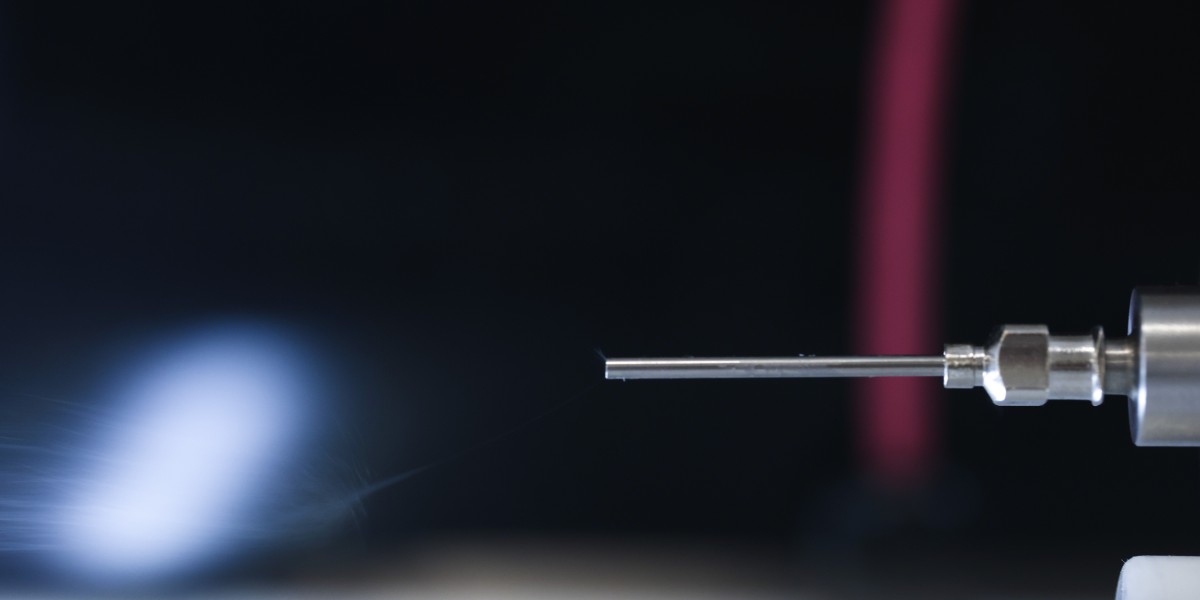
Electrospinning is a fabrication technique that uses electrical forces to create ultra-fine fibers, often at the nanometer scale. These fibers closely mimic the natural extracellular matrix found in human tissues, making them highly suitable for medical use. What sets this method apart is its versatility fiber diameter, porosity, and composition can all be customized.
Because of these advantages, the applications of electrospinning have expanded rapidly across healthcare sectors, especially in tissue engineering and drug delivery systems.
Applications of Electrospinning in Tissue Engineering
Tissue engineering is one of the most impactful areas benefiting from electrospinning. Electrospun nanofibers provide a scaffold that supports cell attachment, proliferation, and differentiation. Their fibrous structure closely resembles natural tissue architecture, encouraging cells to behave as they would in the human body.
One of the most promising applications of electrospinning lies in bone, cartilage, and skin regeneration. Electrospun scaffolds can be engineered using biodegradable polymers, allowing them to gradually dissolve as new tissue forms. This eliminates the need for secondary surgeries and improves patient recovery times.
Additionally, electrospinning allows for the incorporation of bioactive molecules into scaffolds, enhancing healing and tissue integration. These features make electrospinning indispensable in regenerative medicine.
Wound Healing and Skin Regeneration
Electrospinning has revolutionized wound care, particularly for chronic and complex wounds. Electrospun wound dressings offer high surface area, excellent breathability, and controlled moisture retention. These properties create an optimal healing environment while protecting wounds from infection.
Among the practical applications of electrospinning, antimicrobial wound dressings stand out. By embedding antibacterial agents or natural extracts within nanofibers, these dressings actively fight pathogens while supporting tissue repair. This dual functionality significantly improves healing outcomes.
Drug Delivery Systems Using Electrospinning
Another groundbreaking area where the applications of electrospinning shine is drug delivery. Traditional drug administration methods often struggle with poor bioavailability and uncontrolled release rates. Electrospun nanofibers solve this challenge by enabling controlled and sustained drug release.
Drugs can be encapsulated directly within electrospun fibers, protecting sensitive compounds and ensuring targeted delivery. This is particularly beneficial for cancer therapies, pain management, and localized treatments where precision matters.
Electrospinning also allows for multi-layered fiber structures, enabling the delivery of multiple drugs at different release rates. Such sophisticated systems are reshaping pharmaceutical design and patient care.
Applications of Electrospinning in Biomedical Implants
Biomedical implants require materials that are biocompatible, durable, and adaptable. Electrospinning meets all these criteria. Electrospun coatings on implants improve surface interaction with surrounding tissues, reducing rejection risks and enhancing integration.
These applications of electrospinning are especially valuable in cardiovascular stents, orthopedic implants, and neural devices. By modifying fiber composition, implants can even promote cell growth or release therapeutic agents over time.
Advantages Driving Medical Adoption
The growing popularity of electrospinning in healthcare is no coincidence. Its ability to create highly porous, lightweight, and customizable materials gives researchers unprecedented control. Moreover, electrospinning supports both natural and synthetic polymers, expanding its range of medical uses.
At Matregenix, we recognize how these advantages translate into scalable, high-performance medical materials. The adaptability of electrospinning continues to unlock new treatment pathways across medical disciplines.
Future Outlook of Electrospinning in Healthcare
The future of electrospinning in medicine looks exceptionally promising. As research advances, smarter materials and responsive drug delivery systems are becoming a reality. Emerging applications of electrospinning include personalized medicine, bioactive implants, and next-generation tissue scaffolds.
With ongoing innovation, electrospinning is set to become a cornerstone technology in biomedical engineering. Companies like Matregenix remain at the forefront, supporting research and material development that push healthcare boundaries.
Final Thoughts
From regenerating tissues to delivering drugs with remarkable accuracy, the applications of electrospinning are transforming modern medicine. Its flexibility, precision, and biocompatibility make it a powerful tool for addressing complex medical challenges. As this technology continues to mature, electrospinning will undoubtedly shape the future of healthcare innovation.