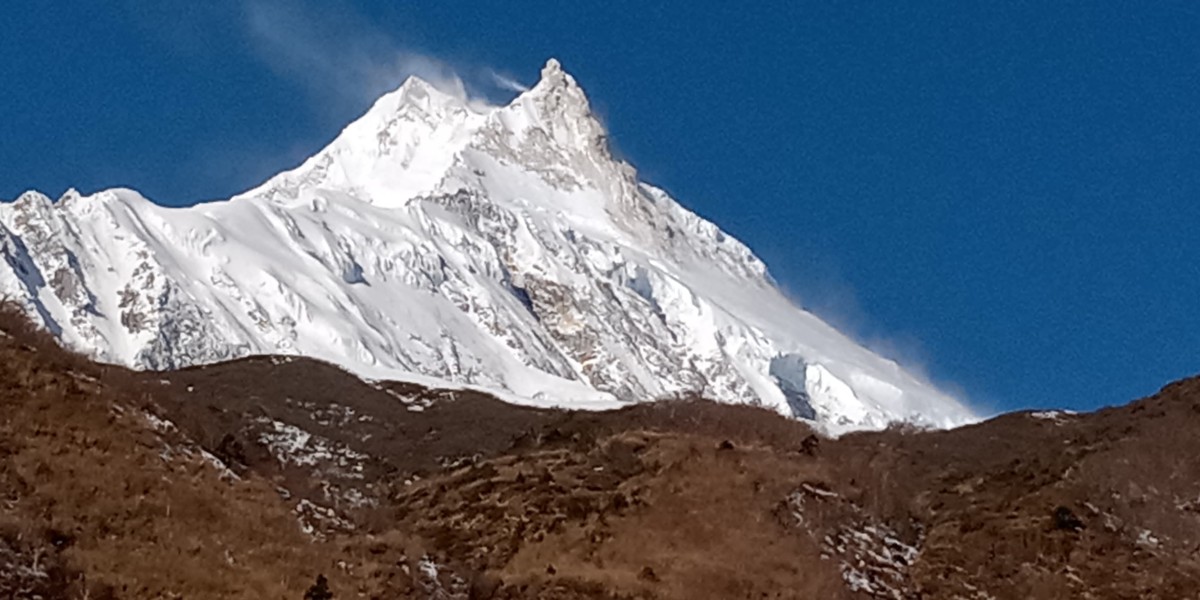
The Annapurna Circuit Trek is more than just a trail through the mountains; it is a slow, meaningful journey into the heart of Nepal’s natural beauty and cultural richness. Spanning diverse landscapes and rising from subtropical valleys to high alpine passes, the trek unfolds like a living story. Over fifteen days of steady walking, the circuit offers an ever-changing rhythm of scenery, people, and personal reflection. Each step feels purposeful, drawing trekkers deeper into the Himalaya and into themselves.
The journey begins in the lower hills where terraced fields stretch across green slopes and rivers rush with youthful energy. Annapurna Circuit Villages here feel warm and alive, with stone houses, prayer flags, and smiling locals welcoming travelers from around the world. The air is thick with the scent of earth and pine, and the trail winds gently through forests and farmland. This early section allows the body to adjust while the mind starts to let go of daily routines, slowly embracing the simplicity of walking, eating, and resting.
As the trail continues, the landscape subtly changes, revealing deeper gorges and wider river valleys. The Marsyangdi River becomes a constant companion, carving its way through the mountains and offering moments of quiet reflection. Suspension bridges sway lightly underfoot, connecting one side of the valley to the other and adding a sense of adventure. With every crossing, the feeling of leaving the familiar world behind grows stronger, replaced by the raw beauty of the Himalaya.
The cultural diversity along the Annapurna Circuit is one of its greatest strengths. As altitude increases, so does the influence of Tibetan Buddhism, visible in mani walls, spinning prayer wheels, and colorful monasteries. Villages take on a different character, with flat-roofed houses and narrow alleyways that reflect centuries of mountain life. Conversations with locals, even through simple gestures and smiles, create meaningful connections that transcend language barriers.
Forests of pine, oak, and rhododendron dominate the middle sections of the trek, providing shade and a sense of calm. In spring, rhododendrons bloom in vibrant reds and pinks, transforming the trail into a natural garden. The sound of birds and the distant echo of waterfalls accompany each step, reminding trekkers of the untouched wilderness surrounding them. These days often feel meditative, as walking becomes a steady rhythm that quiets the mind.
Gradually, the mountains begin to reveal their true scale. Snow-capped peaks appear more frequently, rising sharply against the sky and commanding attention. Annapurna II, Annapurna III, and Gangapurna stand like silent guardians, their presence both humbling and inspiring. Teahouses along the trail offer warm meals and simple comforts, becoming places to share stories with fellow trekkers from different corners of the world.
As elevation increases, the air grows thinner and the terrain more rugged. The landscape shifts from green forests to barren, rocky slopes dotted with hardy shrubs. Life here feels tougher, shaped by harsh winters and strong winds. Yet there is a powerful beauty in this simplicity, where survival depends on resilience and community. Each village feels like a small miracle, sustained by tradition and determination.
Acclimatization becomes an essential part of the journey, allowing the body time to adjust to the altitude. These slower days offer opportunities to explore nearby viewpoints and observe daily life in mountain settlements. Watching locals tend to yaks or spin wool by hand provides insight into a way of life that has remained largely unchanged for generations. These moments deepen appreciation for the human spirit and its ability to adapt.
Approaching the higher sections of the circuit, the trail feels more remote and demanding. The mountains close in, and the path follows ancient routes once used for trade between Nepal and Tibet. Wind whistles through narrow valleys, and the sky feels closer than ever. Despite the physical challenge, there is a growing sense of anticipation, as each step brings trekkers closer to the highest point of the journey.
Crossing the high mountain pass is both the most challenging and rewarding experience of the trek. The early morning start, cold air, and slow, deliberate steps test endurance and determination. Prayer flags mark the summit, fluttering wildly in the wind as a symbol of achievement and gratitude. Standing there, surrounded by endless peaks and vast silence, creates a powerful sense of accomplishment that words struggle to capture.
The descent on the other side introduces a dramatic change in scenery. The dry, windswept landscape gradually gives way to warmer air and different vegetation. The Kali Gandaki Valley opens wide, revealing one of the deepest gorges in the world. The contrast between towering peaks and the valley floor emphasizes the immense scale of the Himalaya and the long journey already completed.
Villages in this region carry a strong sense of history and spirituality. Ancient monasteries, whitewashed houses, and narrow streets invite quiet exploration. The pace of life feels slower, allowing time for reflection and rest. After days of physical effort, these moments of calm feel especially meaningful, offering space to absorb the experience fully.
As the trail continues downward, apple orchards and farmland reappear, signaling a return to more familiar terrain. The warmth of lower elevations brings renewed energy, and conversations among trekkers often turn to shared memories and favorite moments. There is a sense of completion in the air, mixed with a hint of sadness that the journey is nearing its end.
The final days of the Annapurna Circuit feel like a gentle farewell. The mountains remain impressive, but the challenges soften, allowing time to appreciate the journey as a whole. Looking back, each section of the trail feels like a chapter in a larger story, woven together by effort, discovery, and connection.
Completing the Annapurna Circuit Trek over fifteen days leaves a lasting impression that goes beyond physical achievement. It teaches patience, respect for nature, and appreciation for cultural diversity. Long after the trek ends, memories of quiet trails, smiling faces, and towering peaks continue to inspire. The circuit is not just a path through the mountains, but a journey that stays with you, shaping the way you see the world and your place within it.